
Microbiology Tests
Microbiology Tests
Microbiology is a branch of science that studies microscopic organisms. It investigates the structures, functions, life cycles, genetic characteristics, interactions, and effects on diseases of these microscopic living beings including bacteria, viruses, fungi, algae, and parasites. For instance, in the medical field, microbiology works on identifying disease-causing microorganisms and understanding the causes and treatments of diseases. To conduct microbiology tests, a sterile environment is required. Even if the environment is not completely sterile, the samples obtained should be clean and sterile. If collecting the sample in a container, it should be dry and clean.
What Are Microbiology Tests?
Microbiology tests are laboratory tests used to identify, characterize, and understand microorganisms that cannot be seen under a microscope. These tests are usually performed to analyze microbes (such as bacteria, viruses, fungi, parasites, etc.) obtained from various samples. Samples can generally include blood, urine, feces, body fluids, and tissue samples. Culture tests are utilized to observe the growth of microorganisms in the sample. By allowing microorganisms to grow on a specific culture medium, later identification and susceptibility tests are performed.
Why Are Microbiology Tests Done?
1. Disease Diagnosis and Identification:
Microbiology tests are used to determine the cause of an illness. For instance, they are conducted to ascertain whether the symptoms observed in an individual are due to a microbe. These tests are employed to identify microorganisms such as bacteria, viruses, fungi, or parasites causing diseases.
2. Determining Treatment Options:
Microbiology tests assist in determining the types and susceptibilities of disease-causing microorganisms, aiding in identifying which antibiotics or drugs would be most effective in treatment. This helps in selecting the appropriate treatment approach for effectively managing the disease.
These tests play a significant role in areas such as maintaining human health, treating and preventing diseases.
How Are Microbiology Tests Conducted?
1. Sample Collection:
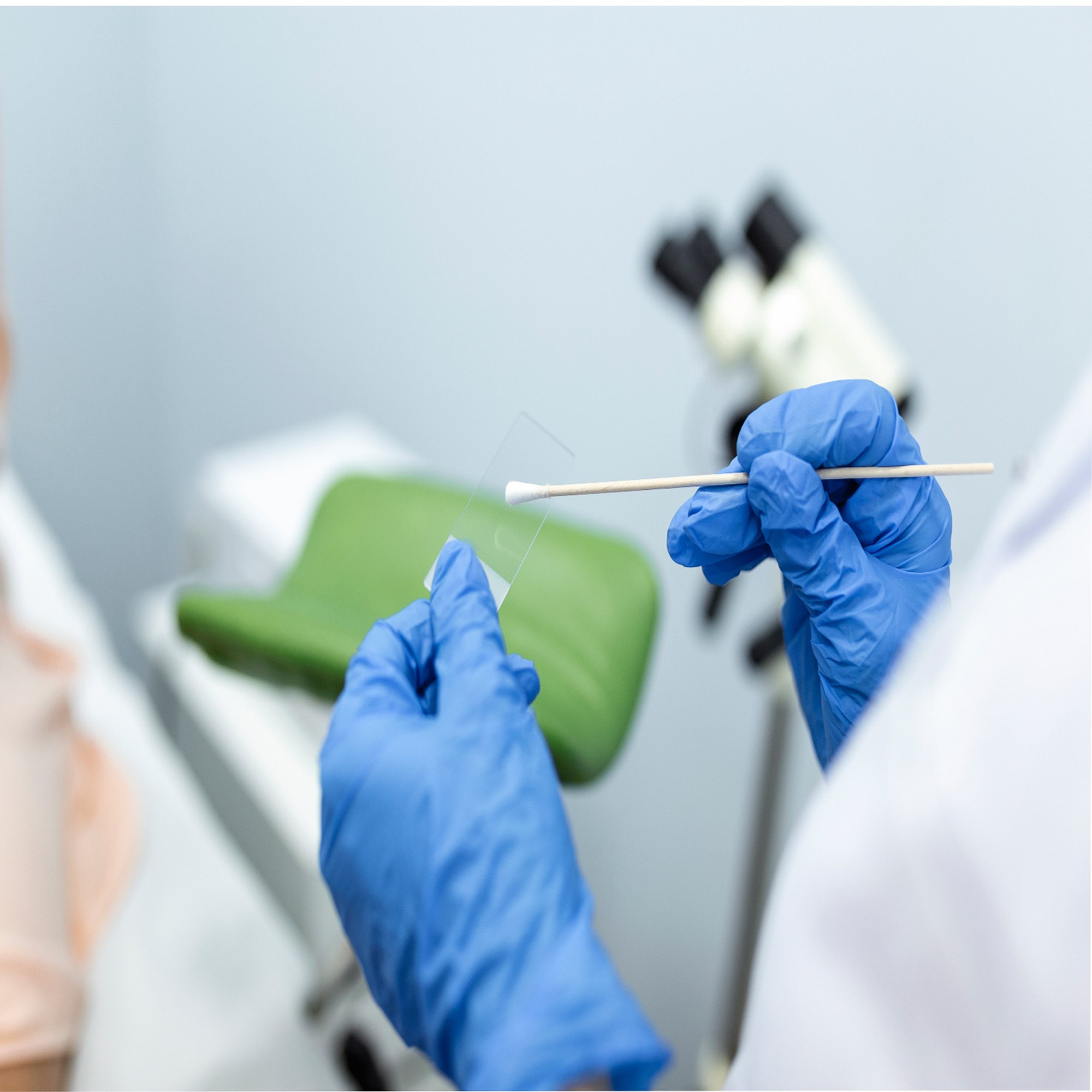
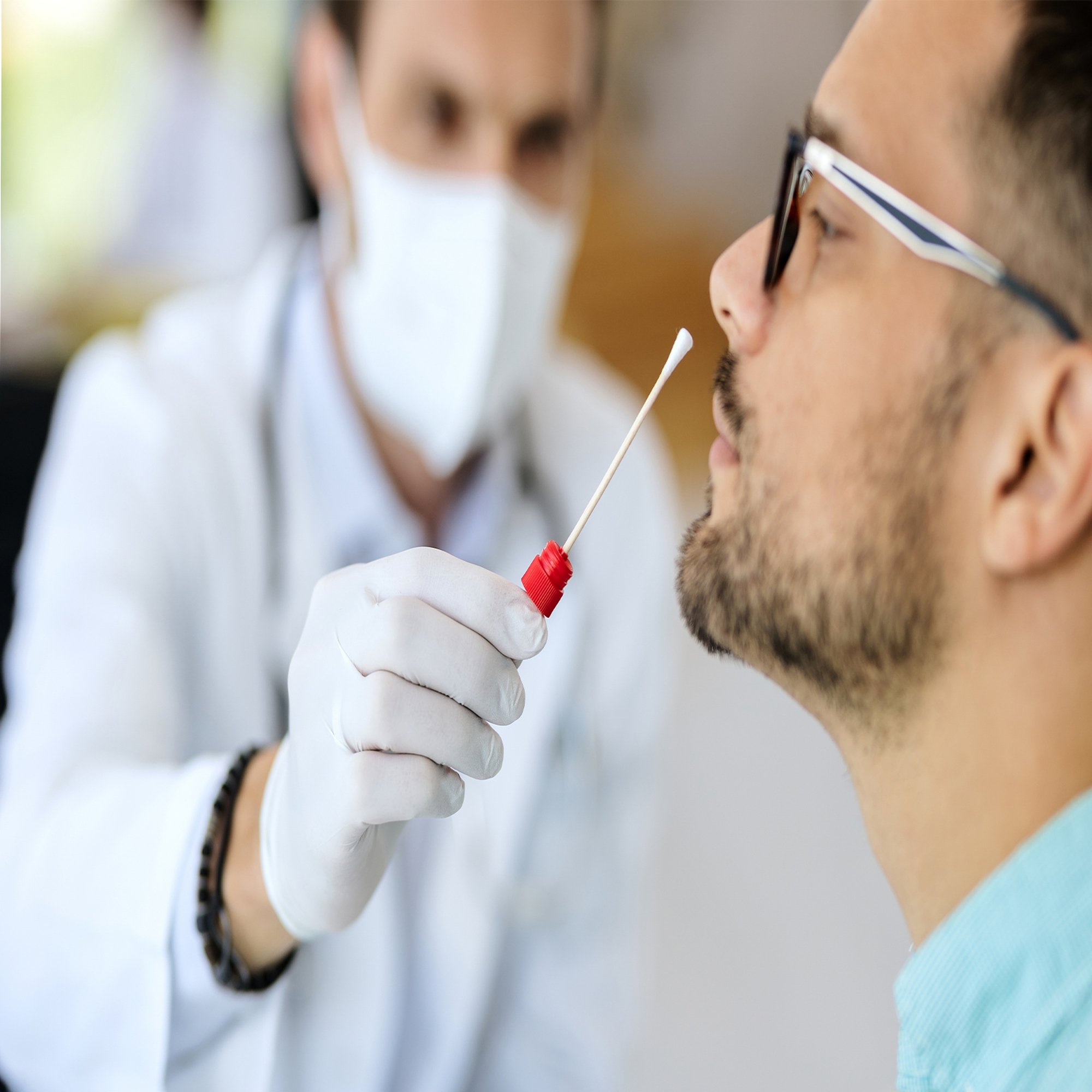
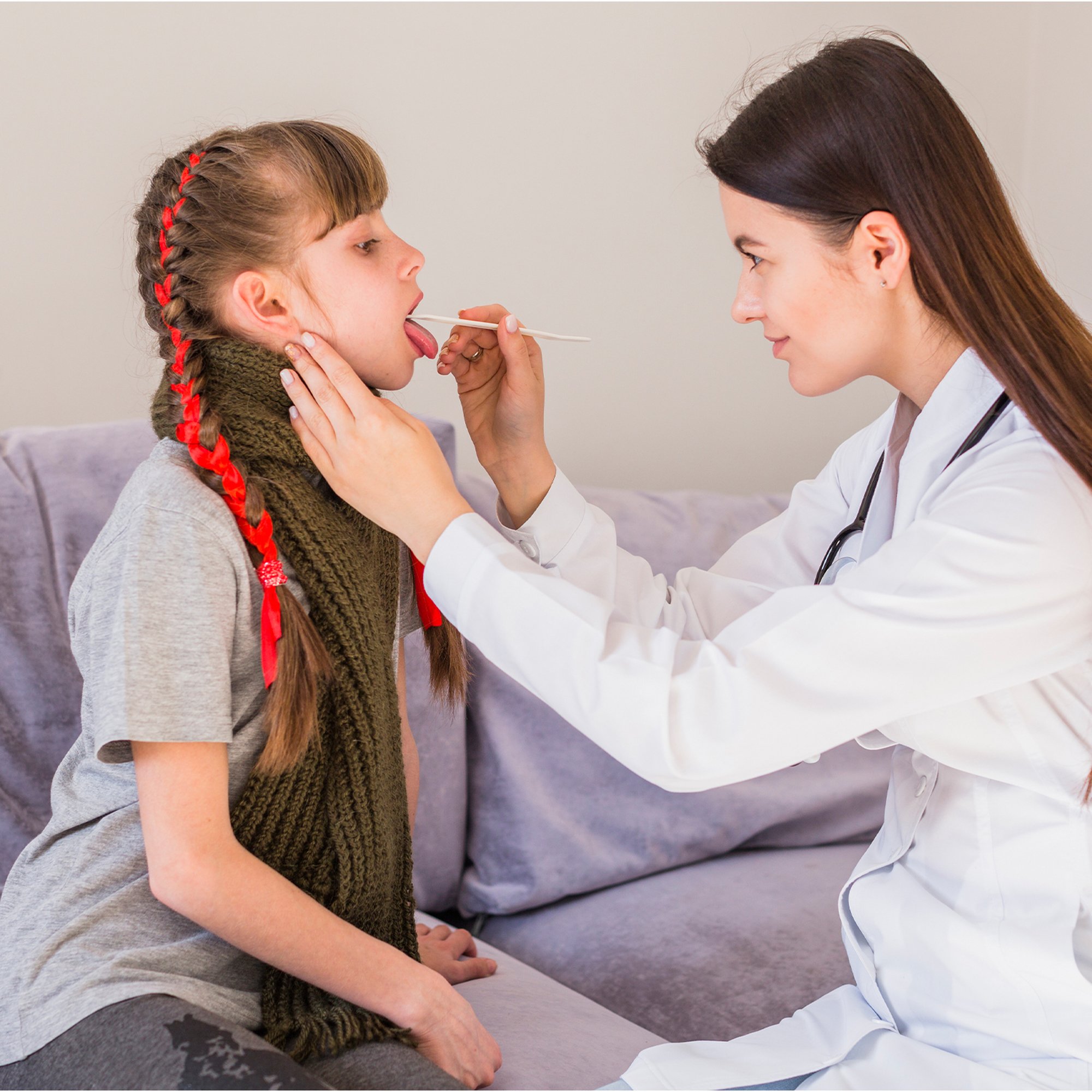
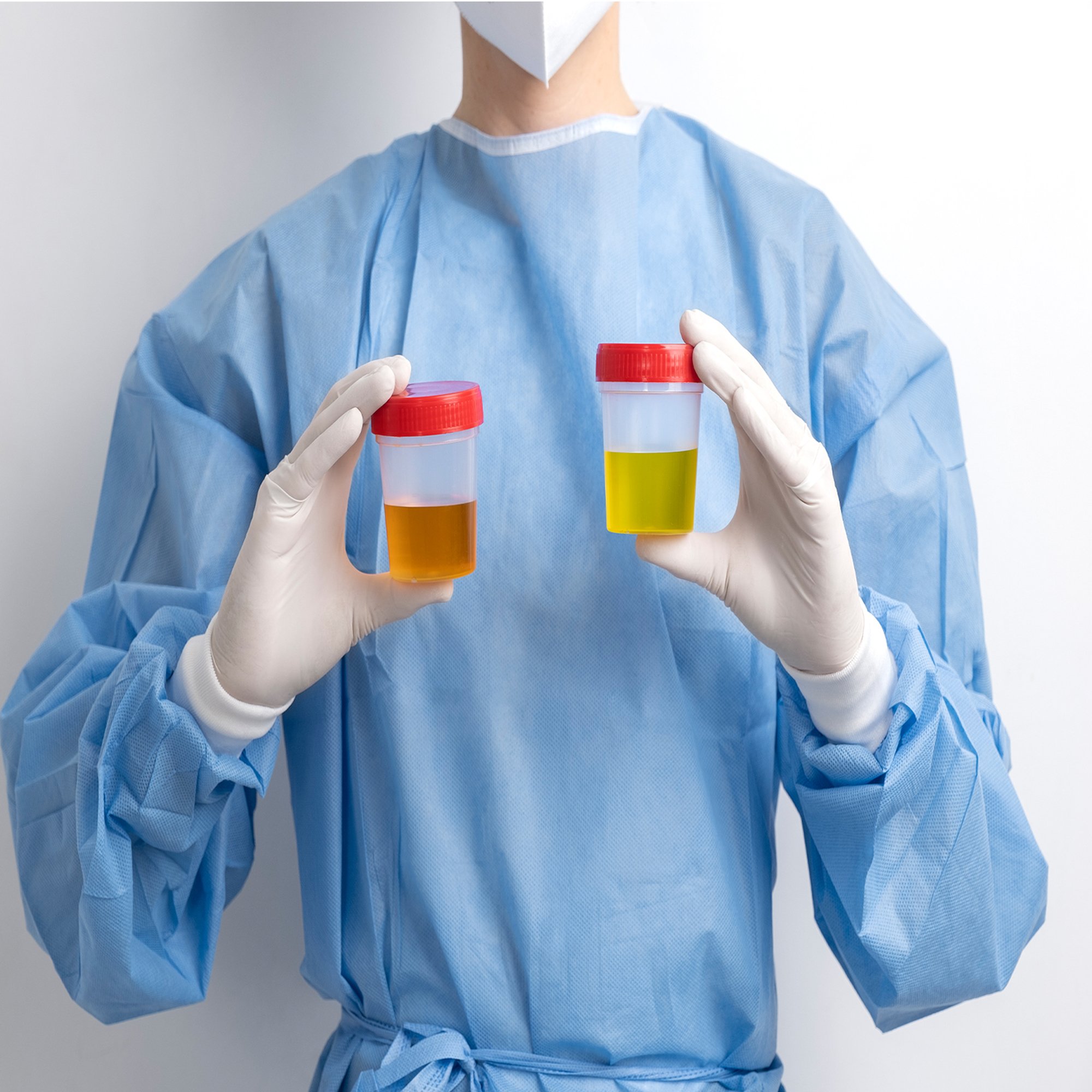
To conduct microbiology tests, appropriate samples must be collected. These samples typically include blood, urine, feces, wound secretions, throat swabs, among others.
2. Selection of Appropriate Test Depending on the Type of Microorganism Under Examination:
For example, if there is suspicion of a bacterial infection, culture tests might be used. If it is a viral infection, molecular tests such as PCR (Polymerase Chain Reaction) might be preferred.
3. Processing of the Sample:
The sample is processed appropriately in the laboratory. This step might involve procedures such as inoculating the sample onto specific culture media, allowing microorganisms to multiply, or extracting DNA/RNA.
4. Culture and Examination:
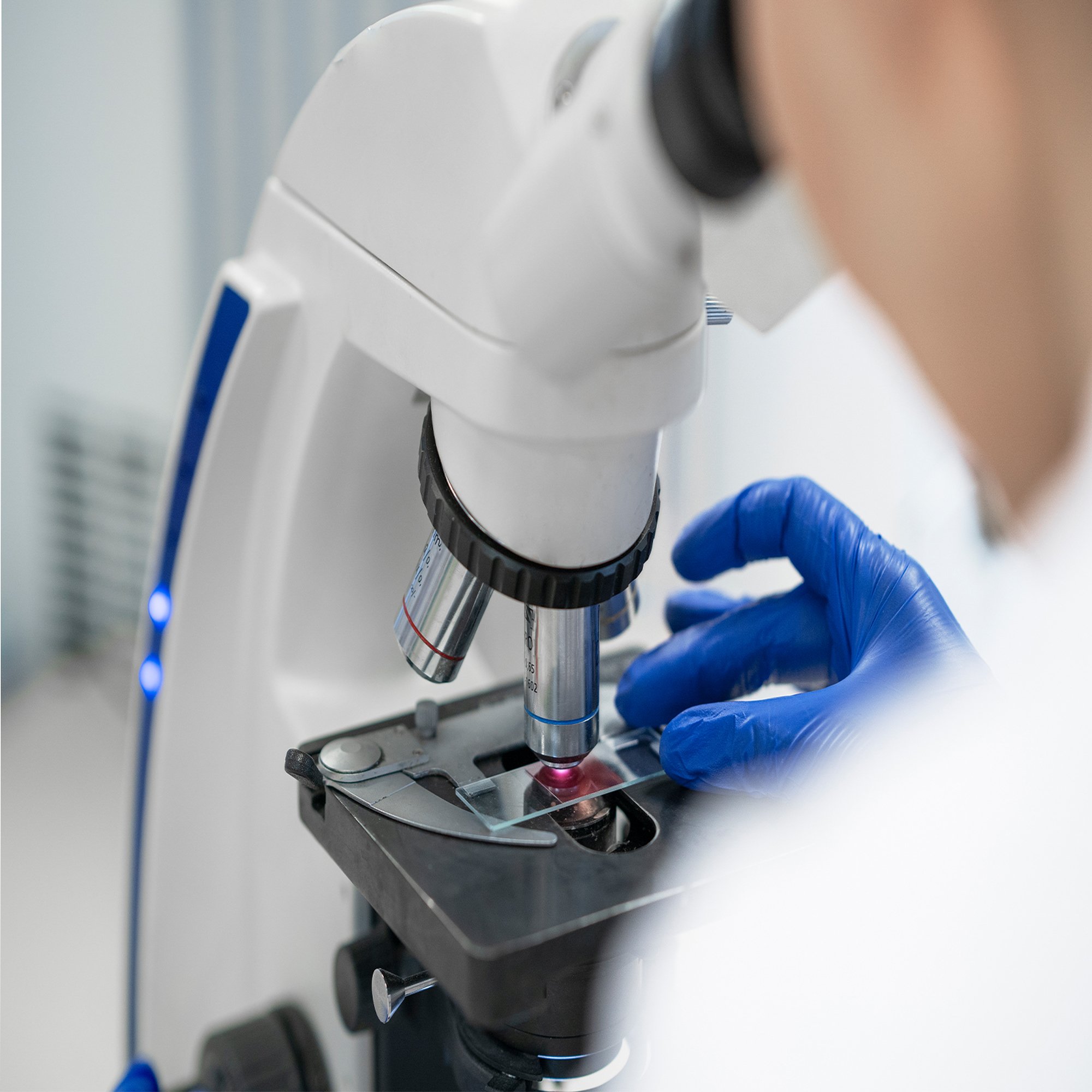
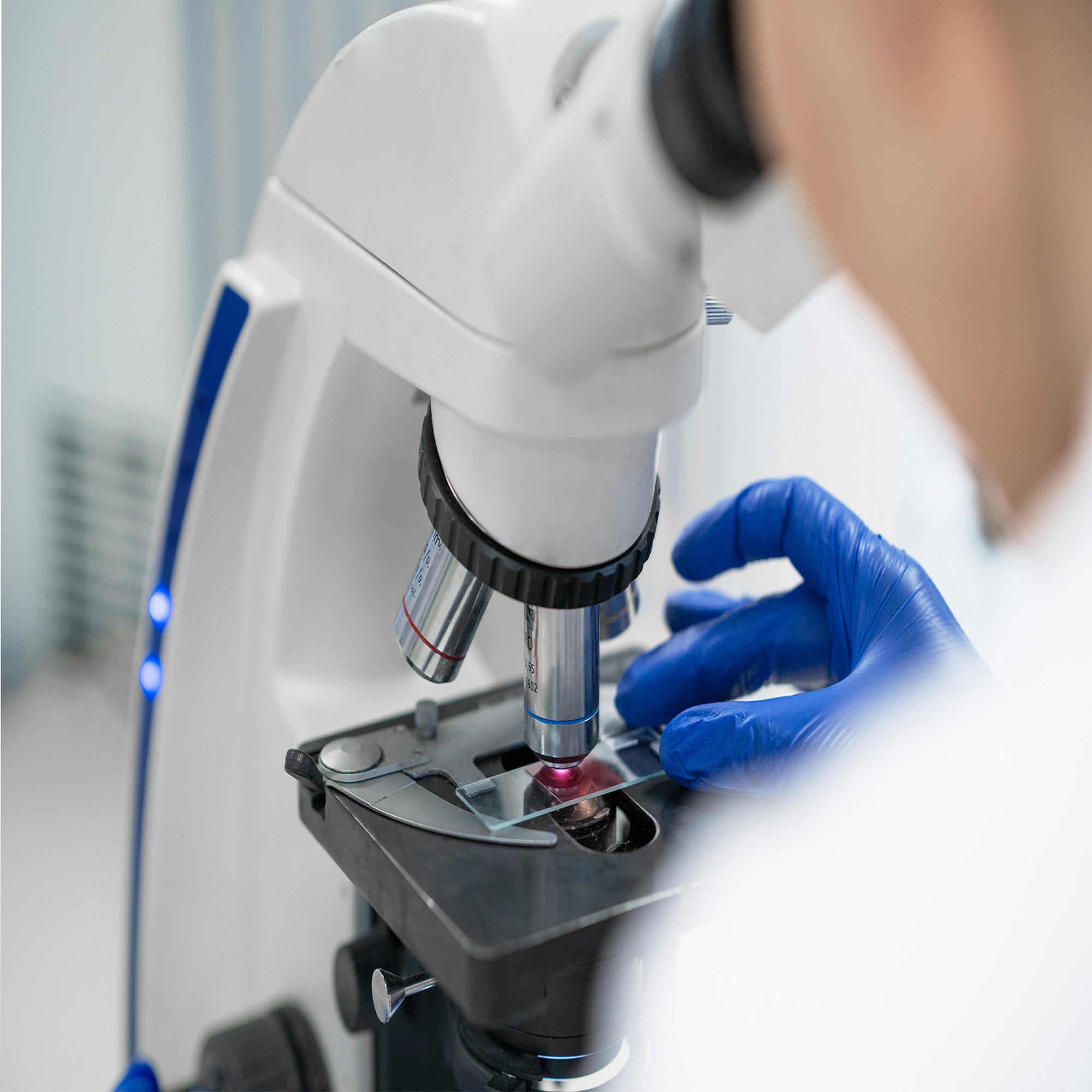
If a culture test is performed, the sample is inoculated onto suitable culture media to encourage the growth of microorganisms. It might take some time for the microbes to form typical colonies. Subsequently, these colonies are examined under a microscope or subjected to special tests to identify their types.
5. Molecular Tests:
Molecular tests such as PCR amplify the genetic material (DNA or RNA) in samples to determine the types of microorganisms present. These tests are conducted to specifically identify the genetic material of the targeted microorganism.
6. Evaluation of Results:
The data obtained is evaluated by microbiology experts. Information like which microorganisms are present and, if applicable, their sensitivity profiles is reported.
Microbiology tests involve multiple stages from sample collection to result reporting. Correct sample collection, appropriate processing in the laboratory, and accurate interpretation of results are crucial in ensuring diseases are accurately diagnosed, treatment plans are established, and infections are controlled.
How Should Microbiology Samples Be Collected?
1. Cleanliness:
Thoroughly wash your hands before collecting the sample and ensure a sterile environment. It is crucial that the equipment used for sample collection is clean and sterile.
2. Correct Sample Type:
Consult with an expert on the type of sample to be collected. For example, different sample types such as urine, feces, blood, wound secretions demonstrate different infections.
3. Correct Timing:
The correct timing is crucial for sample collection. For instance, some infections might be more easily detectable at certain times; therefore, it's important to collect the sample at the right time.
4. Sample Collection Technique:
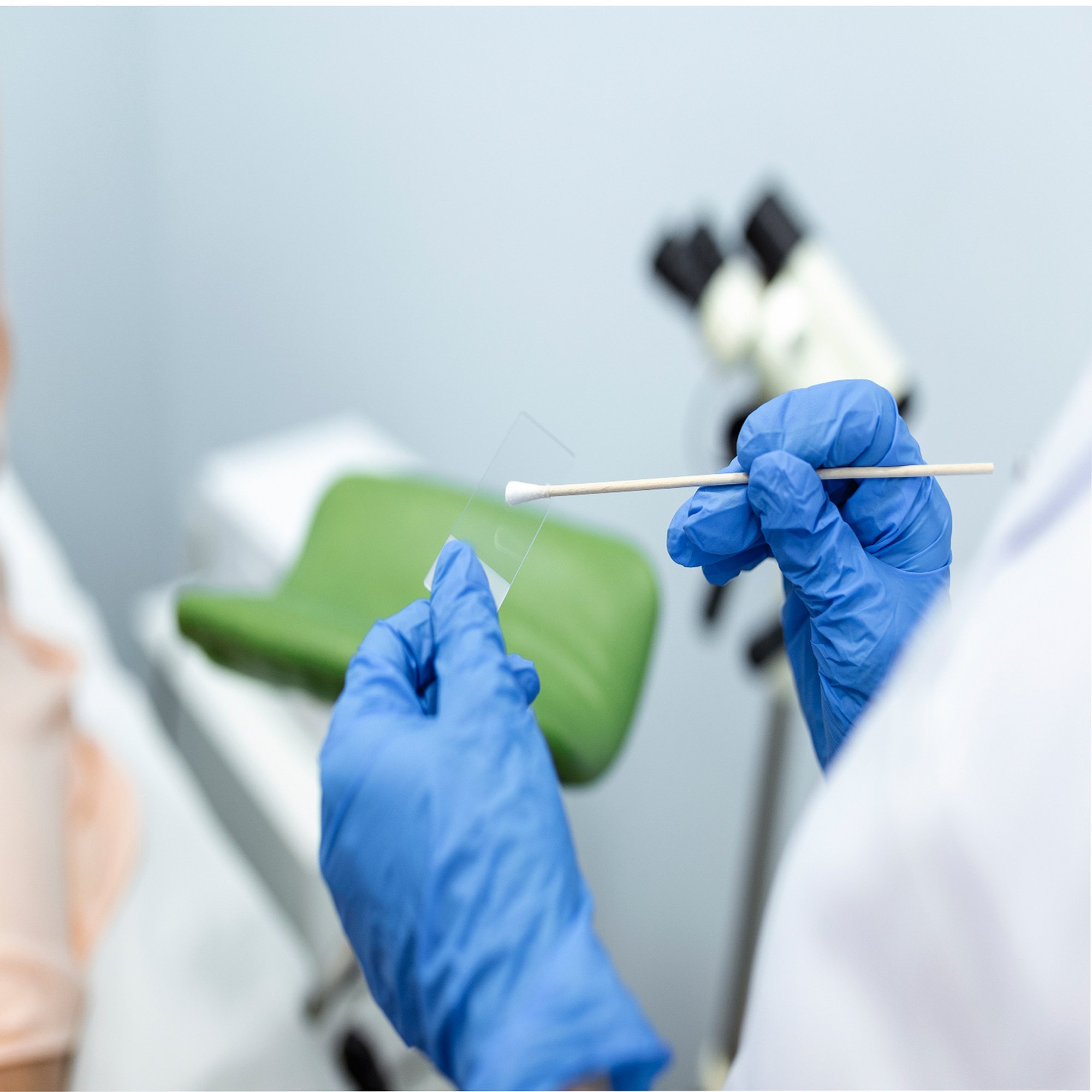
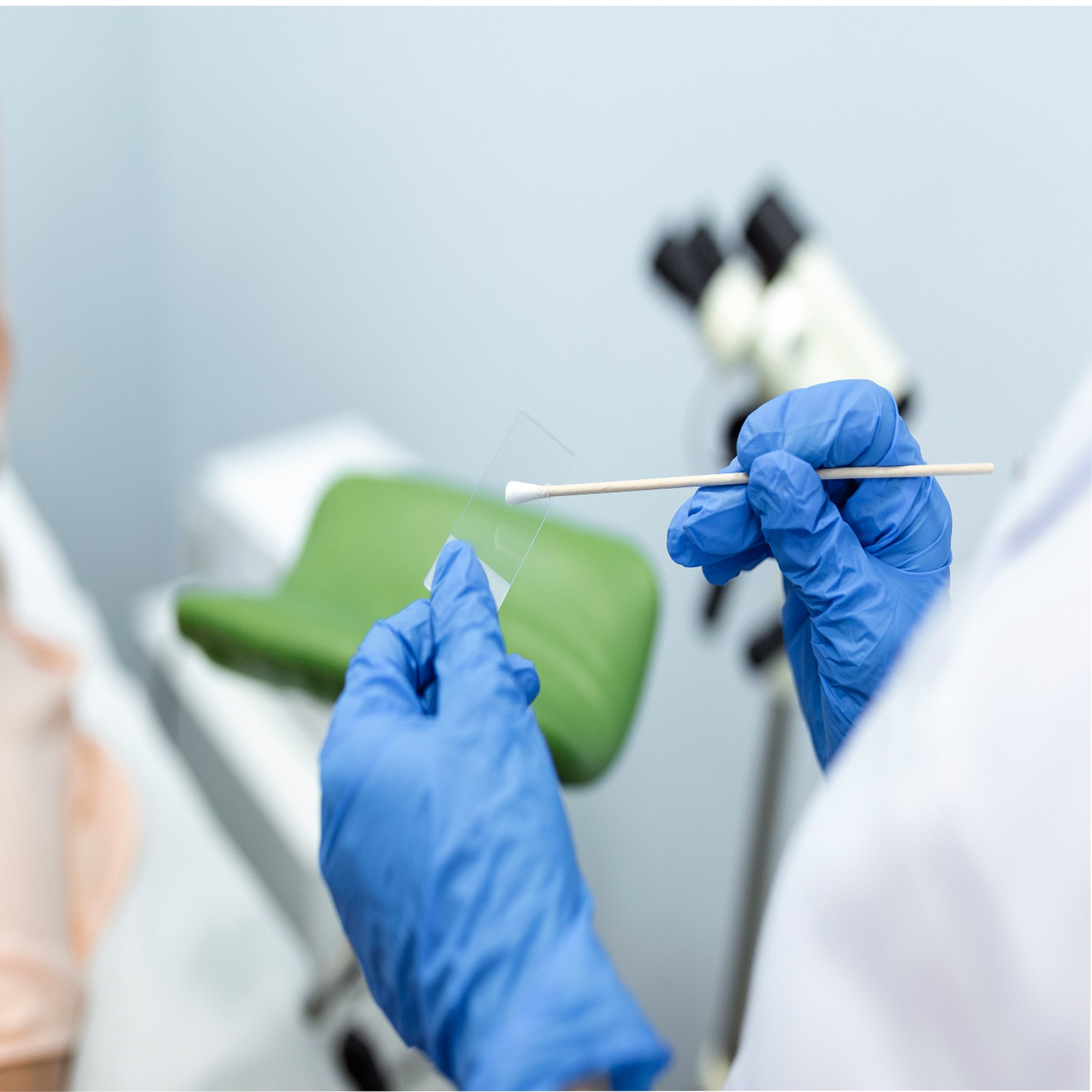
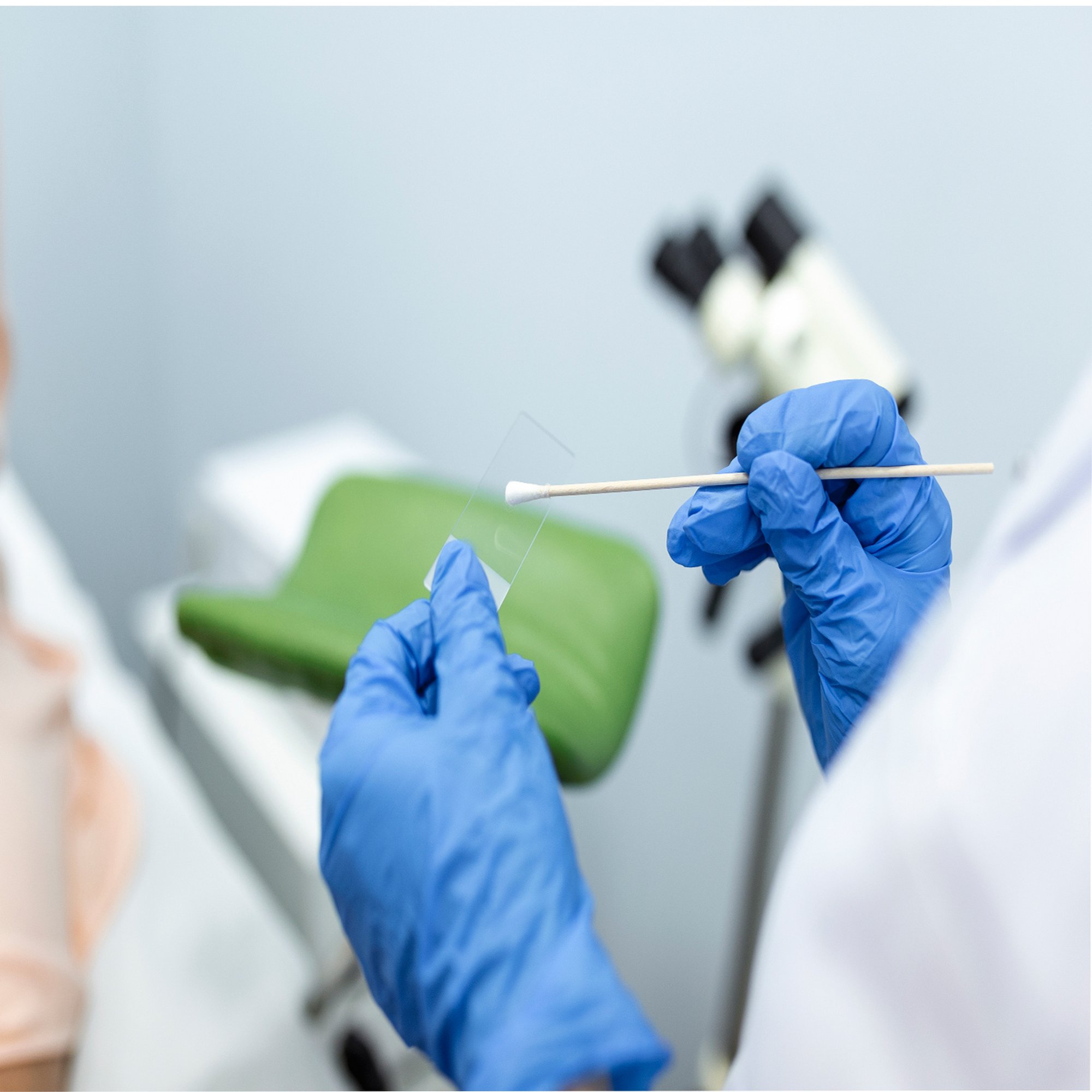
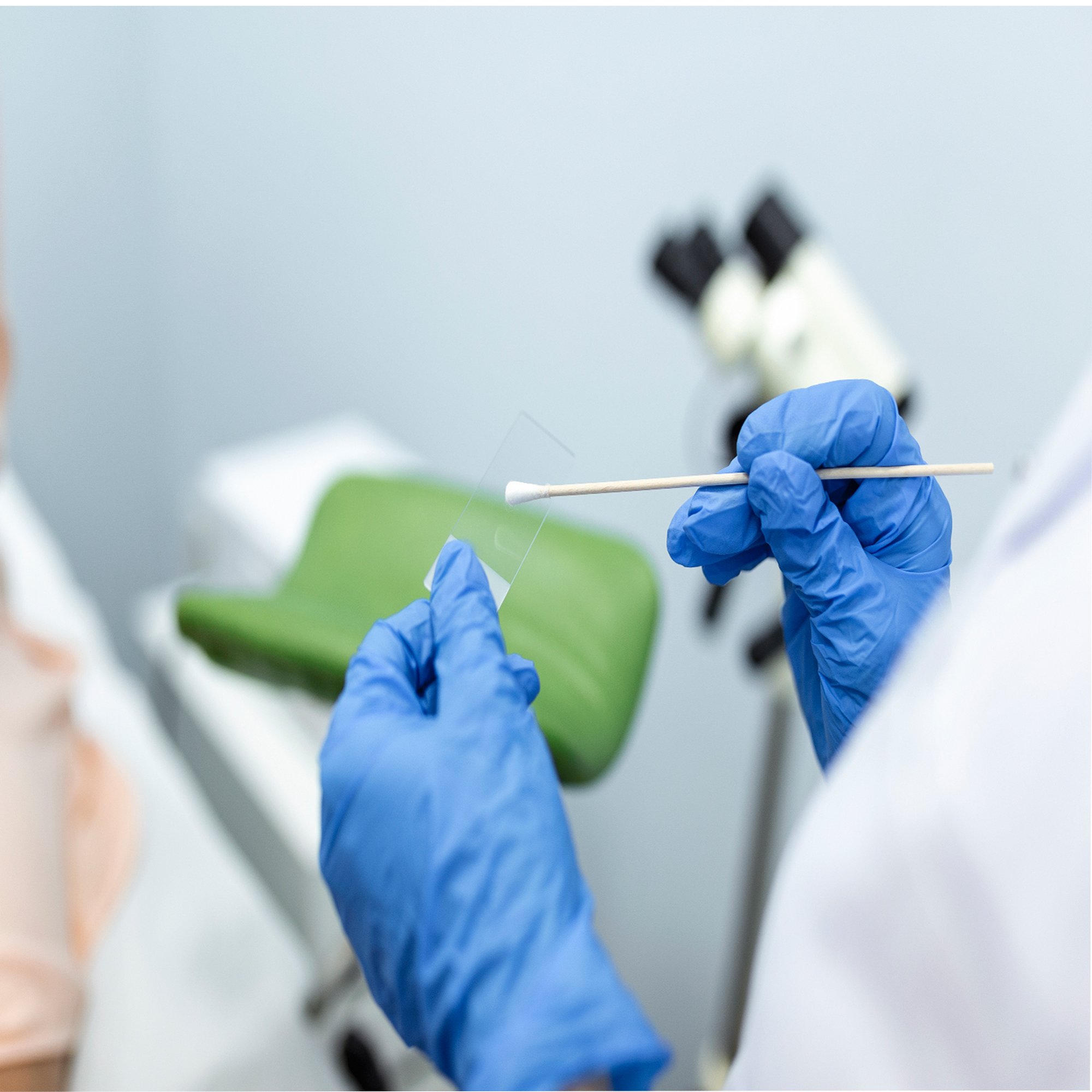
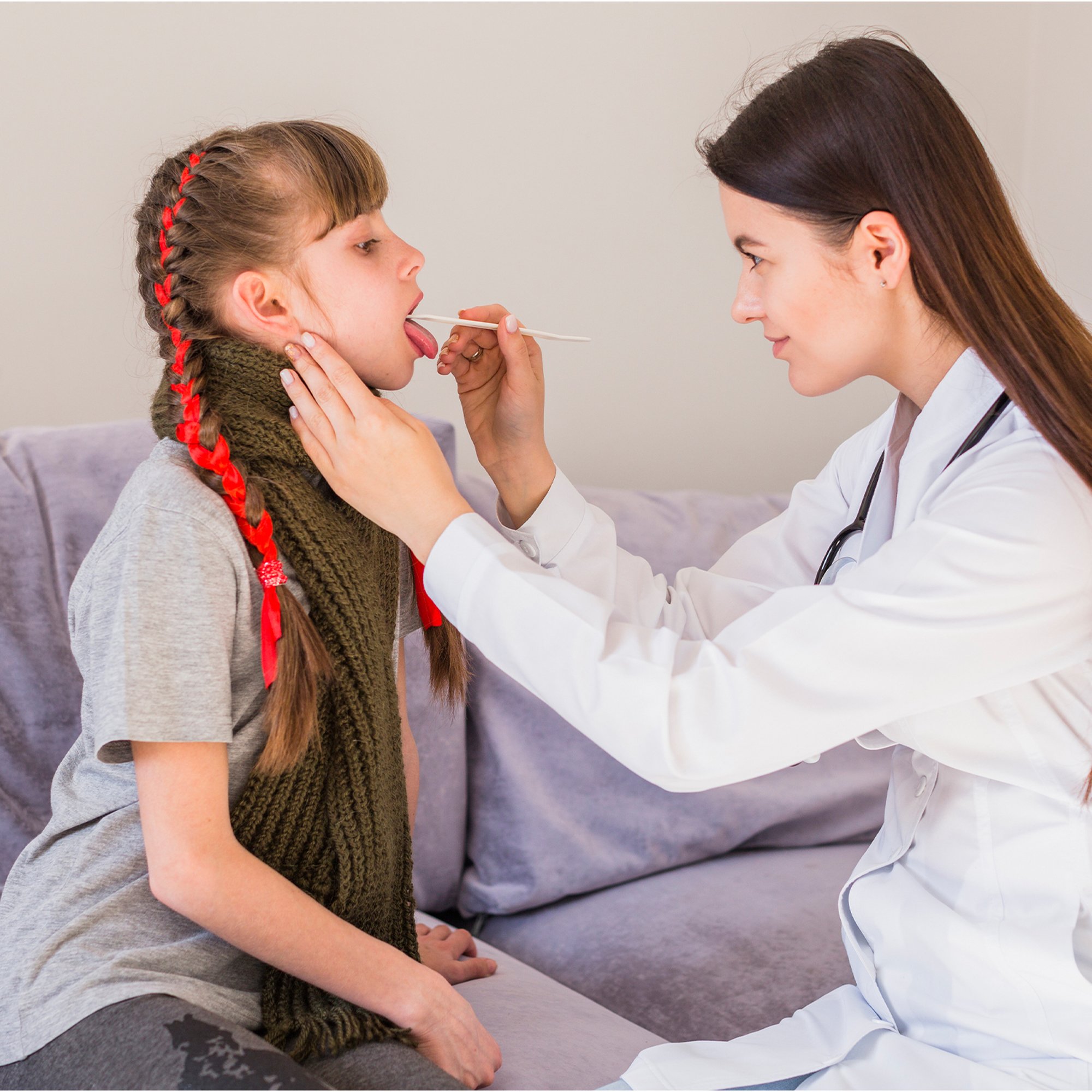
Use the correct sample collection technique recommended by experts. For example, when collecting a throat swab, use a sterile cotton swab and collect the sample from a specific area.
5. Sample Storage Conditions:
Properly storing the sample is important. In most cases, the sample should be stored in an appropriate container and under specific temperature or conditions immediately after collection.
6. Patient Information:
After collecting the sample, write important information on it such as the date, time, and patient details. This information assists laboratory personnel in processing the sample correctly.
7. Sample Transportation:
Ensuring appropriate transportation conditions while transporting samples to the laboratory is important. Some samples need to be transported at specific temperatures or under specific conditions.
Proper collection and processing of microbiology samples are critically important for accurate diagnosis. These steps are crucial to both maintain the quality of the sample and ensure accurate results. In this way, accurate diagnoses can be made, and appropriate treatment plans can be established.
When Are Microbiology Tests Requested?
1. Disease Symptoms:
If a patient displays signs of infection, such as fever, cough, runny nose, diarrhea, doctors may request microbiology tests. These tests are conducted to determine which microorganism is causing the infection.
2. Hospital Infection Control:
Microbiology tests can be used to reduce the risk of infection in hospitalized patients. Examining samples taken from patients can help prevent infections that could spread within the hospital.
3. Resistant Cases to Treatment:
In cases where bacterial infections resistant to antibiotics or other drug-resistant microorganisms are causing problems, microbiology tests are necessary to determine which treatment might be effective.
4. Routine Checks:
Certain occupational groups such as food industry workers or healthcare professionals might undergo regular microbiology tests. This helps in detecting specific microorganisms and contributes to maintaining public health.
Microbiology tests provide information about the detection, identification, and effects of microorganisms, thereby assisting in the prevention, treatment, and control of diseases.