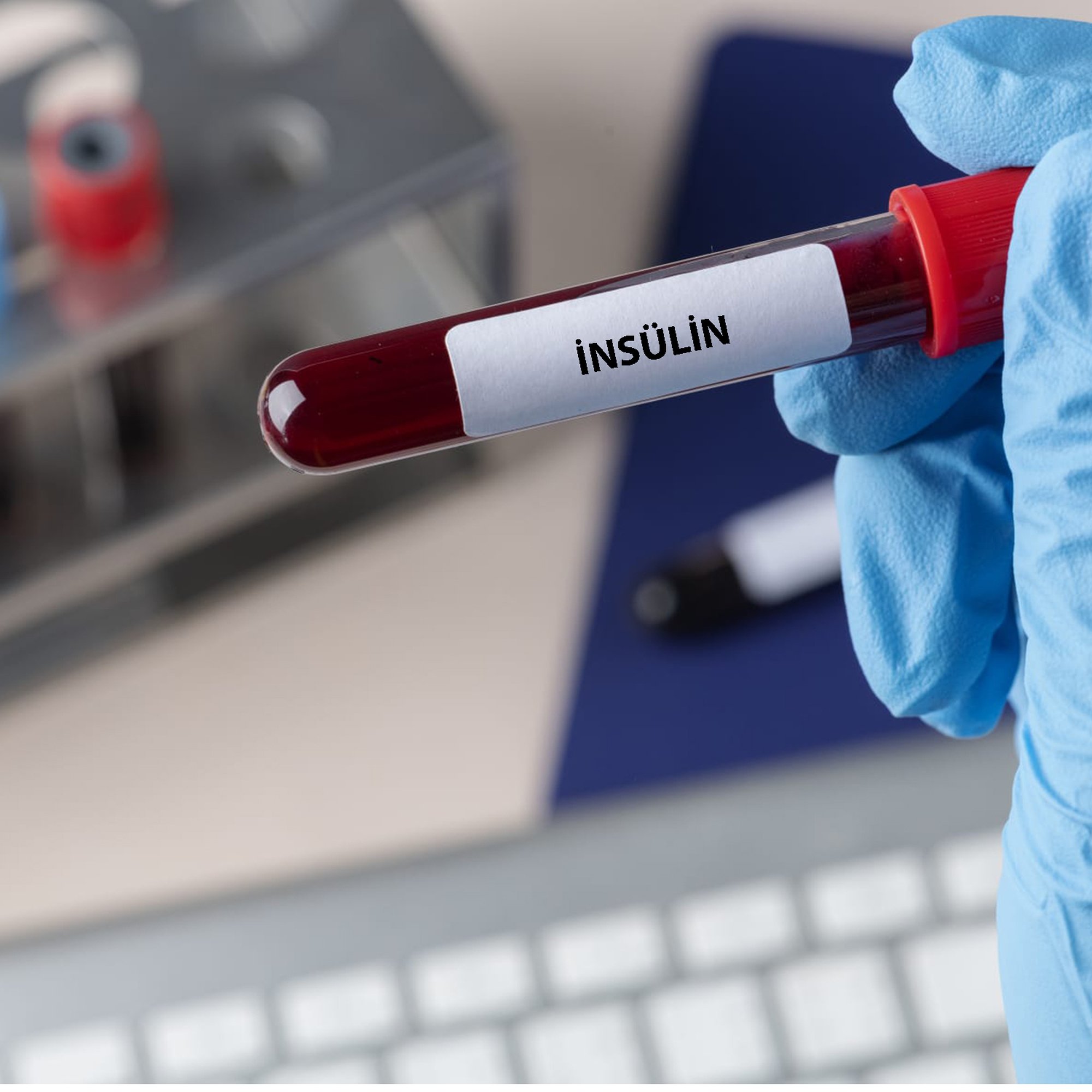

Diabetes and Metabolic Tests
Diabetes and Metabolic Tests
Diabetes refers to the tests conducted when the body's blood sugar levels are high. It occurs when the pancreas doesn't produce enough insulin or the body cannot effectively use insulin. Meanwhile, 'metabolic' is a term encompassing all functions of the body, including energy production, digestion, and respiration. It denotes the process of converting nutrients into energy.
What Are Diabetes and Metabolic Tests?
Diabetes and metabolic tests are laboratory examinations used to measure blood sugar levels, insulin levels, and metabolic functions in the body. These tests are employed for diagnosing diabetes, its treatment, and identifying issues related to metabolism. While blood sugar tests like HbA1c and glucose tolerance tests are used to monitor and evaluate diabetes, insulin tests are conducted to check insulin levels. Metabolic tests can assist in identifying metabolic syndrome, obesity, or other metabolic disorders.
When Are Diabetes and Metabolic Tests Requested?
1. Symptoms of Diabetes:
Tests might be requested for individuals showing symptoms of diabetes (excessive thirst, frequent urination, hunger, fatigue, blurred vision) to diagnose the condition.
2. Routine Health Check-ups:
Regular testing can be conducted for individuals at risk of diabetes (family history of diabetes, excess weight, low physical activity).
3. Pregnancy:
Tests might be required during pregnancy to assess the risk of gestational diabetes.
4. Metabolic Syndrome:
Tests might be requested for individuals with factors increasing the risk of diabetes, such as high blood pressure, high triglyceride levels, obesity, and low HDL levels.
5. Risk of Heart Disease:
Due to the link between diabetes and heart disease, tests might be conducted for individuals at risk of heart disease.
6. Liver and Kidney Issues:
Tests might be requested to evaluate the functions of the kidneys and liver in cases where diabetes can affect these organs.
7. Monitoring Treatment Response:
Regular tests might be performed in individuals with diabetes to assess their response to treatment.
8. Risk Assessment:
Tests might be requested for individuals at risk of diabetes to assess their risk and take preventive measures.
What Is the Importance of Diabetes and Metabolic Tests?
1. Early Diagnosis:
These tests are crucial for the early diagnosis of diabetes or metabolic disorders. Early diagnosis is important to initiate treatment or make necessary lifestyle changes. Early intervention can prevent disease progression and the onset of complications.
2. Risk Assessment:
Tests are used to assess the risk of diabetes and metabolic syndrome. They help individuals understand which factors could increase the risk of diabetes or metabolic syndrome, enabling them to take preventive measures.
3. Treatment Monitoring:
In individuals with diabetes, tests are used to monitor the disease's progression and evaluate the response to treatment. Monitoring blood sugar levels assists in evaluating the effectiveness of the treatment plan.
4. Prevention of Complications:
Diabetes and metabolic disorders can lead to serious complications over time. Tests can identify these risks and help prevent these complications with appropriate treatment or lifestyle changes.
5. Health Checks:
Regular testing ensures regular health checks for individuals at risk of diabetes or metabolic syndrome. This allows for prompt initiation of treatment if a problem is identified early.
6. Disease Awareness:
Awareness about diabetes and metabolic disorders can be achieved through the data obtained from test results. Individuals can use these results to understand their health conditions and make more informed decisions about treatment options.