
Hormone Tests
Hormone Tests
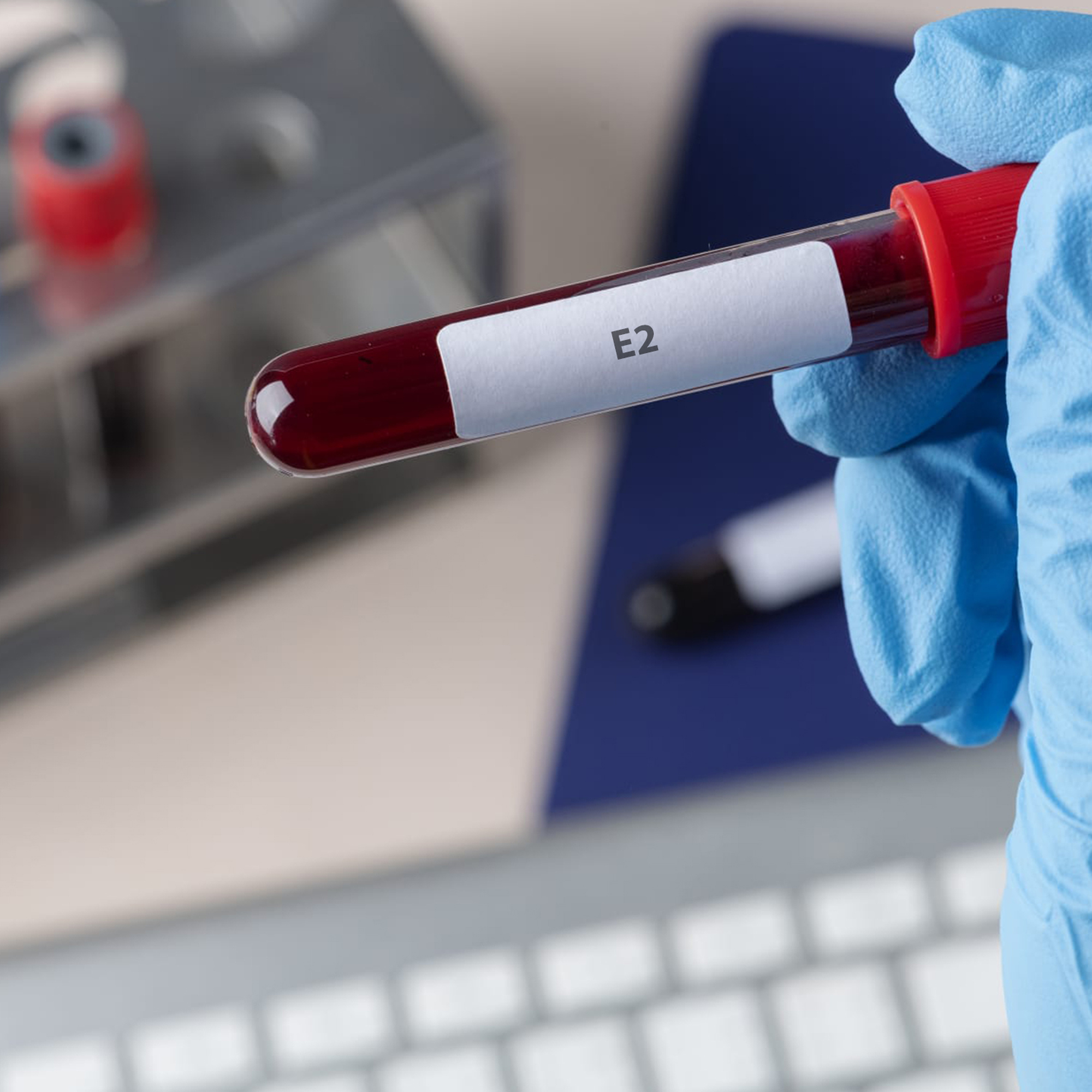
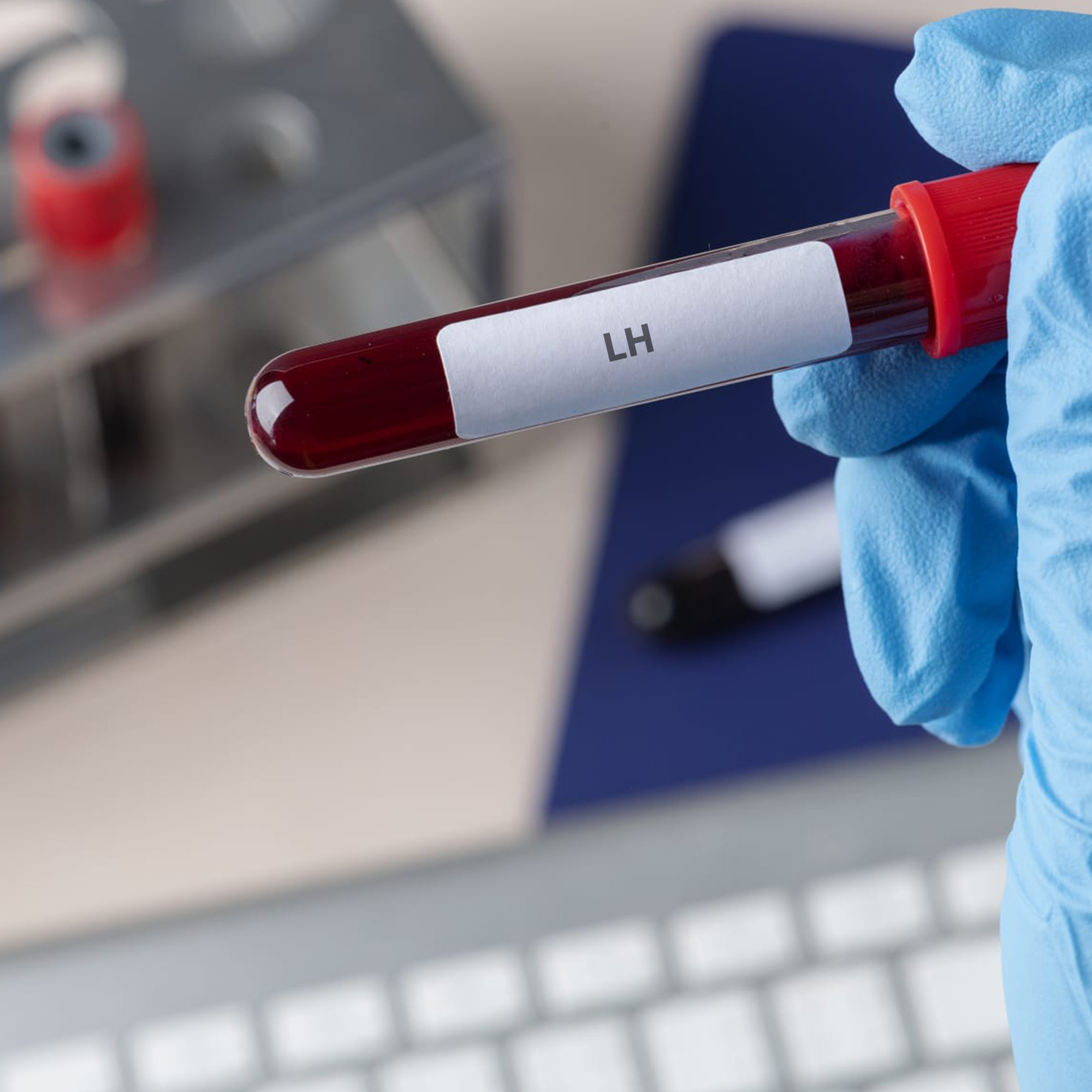
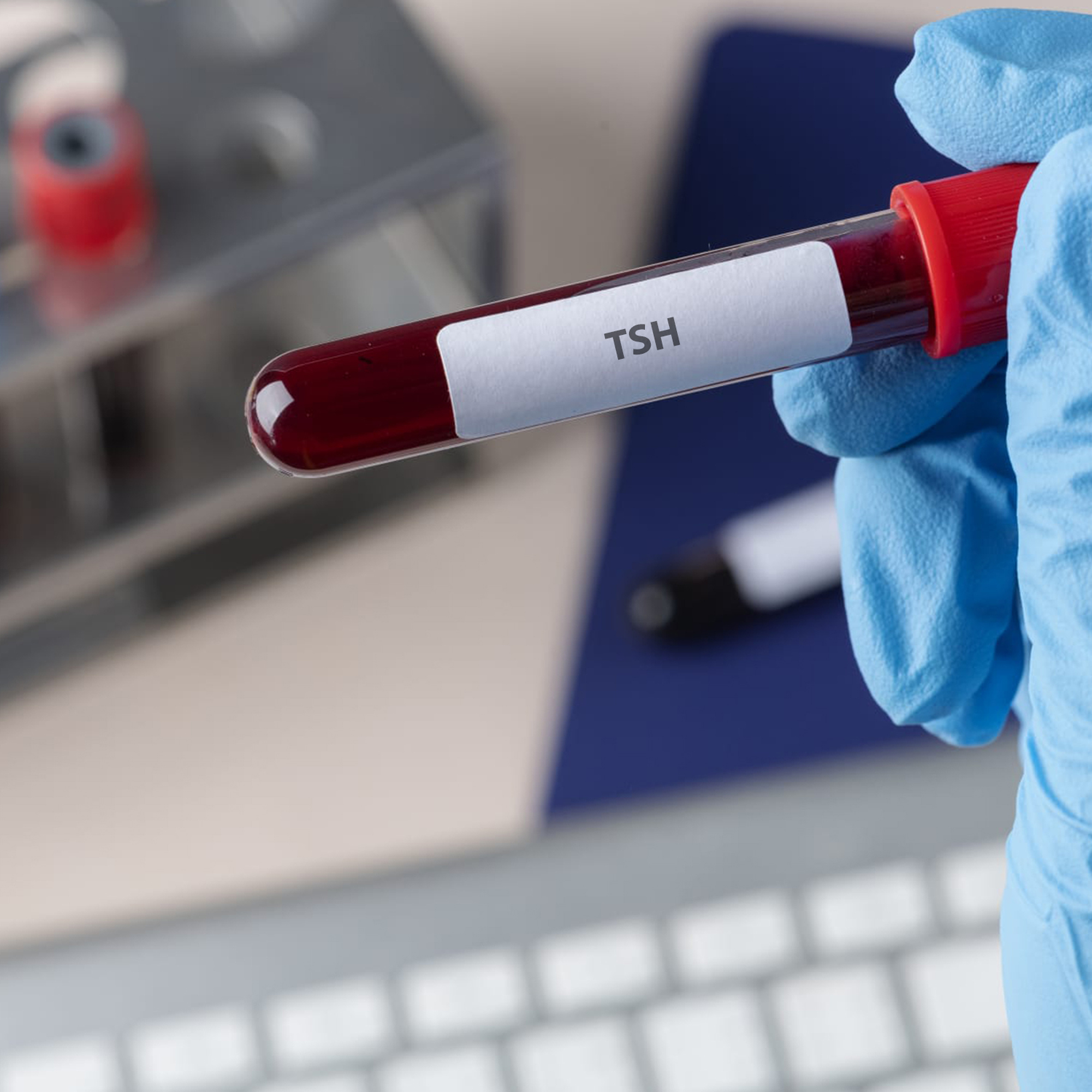
Hormone tests are tests conducted to measure and regulate hormone levels in both men and women. Usually, patients give blood samples according to their menstrual cycle. Men, on the other hand, can give blood at the requested time and day. This varies depending on the dialogue between the patient and the doctor. Some tests can be conducted immediately upon request, while others are more appropriate to be done on a date specified by the doctor. Hormone tests are crucial in cases where the patient has health issues, infertility, reproductive problems, irregular menstrual cycles, thyroid conditions, early or late menopause, abnormal testosterone levels, malfunctioning pituitary glands, early or rapid puberty. Anyone from any age group can undergo hormone tests as there's no specific age factor. Once the tests are concluded, they are evaluated according to the respective age group. If the test results show high or low levels, follow-ups are necessary. Hormones are monitored every month until they stabilize.
What are Hormone Tests?
Hormone tests are specialized tests conducted to determine the levels of hormones, which act as internal regulators in our bodies. These tests are performed by taking blood samples. Doctors and healthcare professionals use these tests to measure hormone levels, understand potential imbalances in the body, and identify various health issues. For instance, hormone tests can be highly beneficial in cases of fluctuations in energy levels, irregular menstrual cycles, or changes in weight.
Why are Hormone Tests Conducted?
Hormone tests are specialized examinations designed to measure the levels of tiny controllers in our bodies known as hormones. These tests help us determine the levels of these hormones that play a crucial role in the body's internal functions. Doctors resort to these tests to understand hormonal imbalances or certain health issues. For instance, if you experience symptoms such as changes in sleep patterns, fluctuations in weight, or skin problems, or if you have specific health concerns, hormone tests enable your doctor to better understand you and provide assistance. These tests can be a step toward better health and an improved quality of life.
How is Hormone Testing Done?
Hormone tests are actually quite a simple process. Typically, a blood sample is taken. The process of obtaining the sample is quick and nearly painless. For instance, for a blood test, a healthcare professional uses a small needle to draw a bit of blood from a vein in your arm. This process usually takes a few minutes and is quite tolerable for most individuals. The sample is then analyzed in a laboratory to help determine hormone levels.
When is Hormone Testing Done?
Hormone tests are typically conducted when you have symptoms or concerns related to your health. For instance, if you're experiencing changes in weight, fluctuations in energy levels, or menstrual irregularities, hormone tests can be helpful. In summary, hormone tests are usually requested to understand your health condition or to gather more information about a specific issue, all for your comfort and well-being.
How is Hormone Testing Done During Menstruation?
If a hormone test is planned for a woman, usually the day for the analysis is determined based on the woman's menstrual cycle. The physiological events causing menstrual bleeding are directly related to the changes in hormone levels in a woman. Therefore, to measure the basal values of hormone levels, the first day of the menstrual cycle is taken into consideration, which is considered as the day when menstrual bleeding starts. In other words, a woman's menstrual cycle begins with the first day of bleeding and the number of days until the next bleeding determines the length of the menstrual cycle.
Hormone Test on Which Day of Menstruation?
Generally, the first day of bleeding is considered as day 1. Hormone tests are performed on the 2nd or 3rd day of menstruation. You can go to the laboratory on the day your doctor requests and have a blood test. In some cases, hormone tests may also be requested on the 5th day of menstruation.
Why Is Hormone Test Done in Men?
Hormone tests in men are usually requested to assess their health condition and understand hormonal imbalances. These tests are used to evaluate symptoms such as sexual dysfunction, reproductive issues, low energy, weight fluctuations, and uncover the underlying reasons. Particularly, low testosterone levels may cause sexual dysfunction, while reproductive health or metabolic issues can also be associated with hormonal imbalances. Therefore, hormone tests are an important tool to assess hormonal health and overall health in men.