
Tests Required in Pregnancy Loss
Tests Recommended after Pregnancy Loss
Following a pregnancy loss, various tests may be conducted to determine the causes of recurrent miscarriages or pregnancy complications and to identify potential health issues. The doctor of an individual experiencing pregnancy loss may recommend different tests depending on the specific situation. These tests may include:
1. Blood Tests:
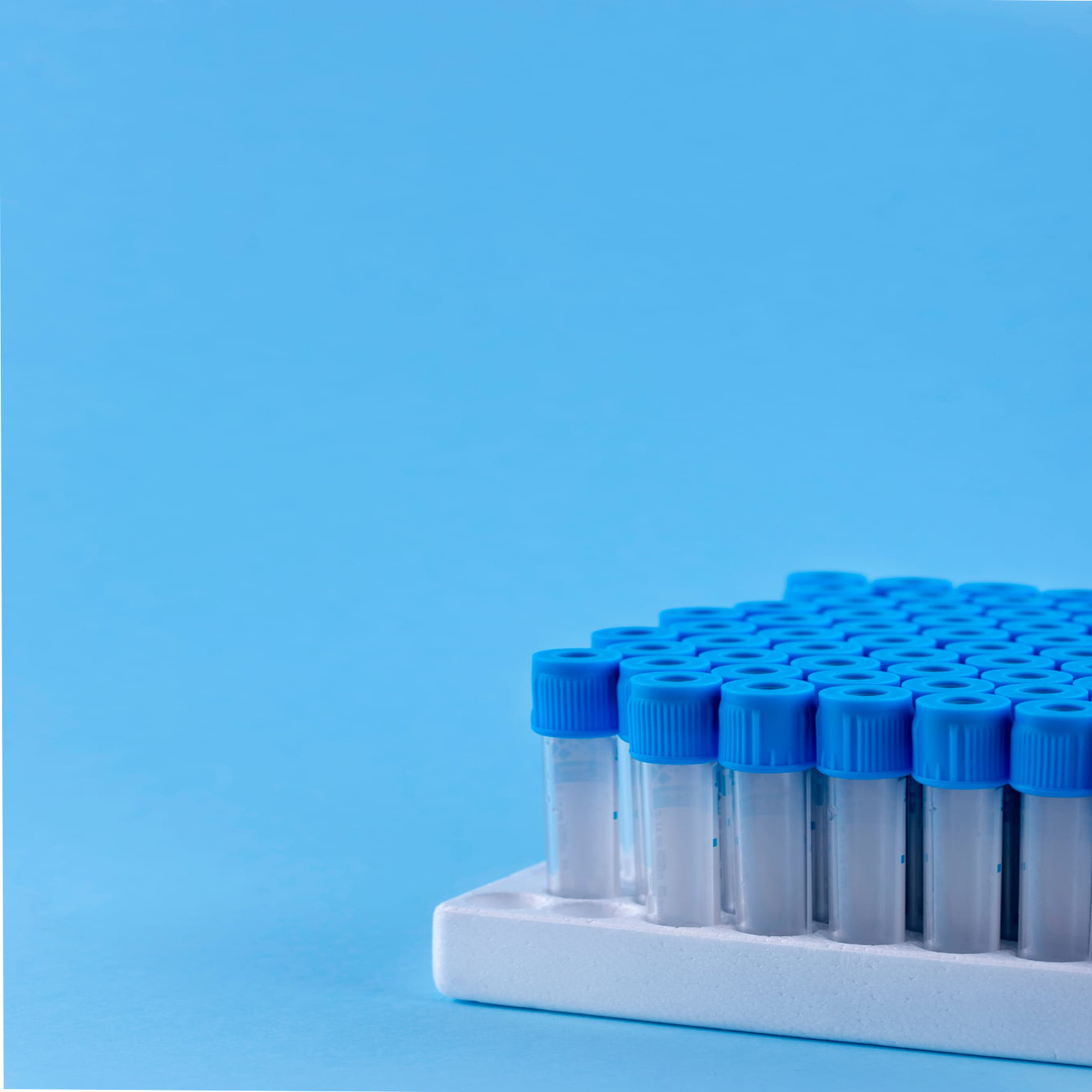
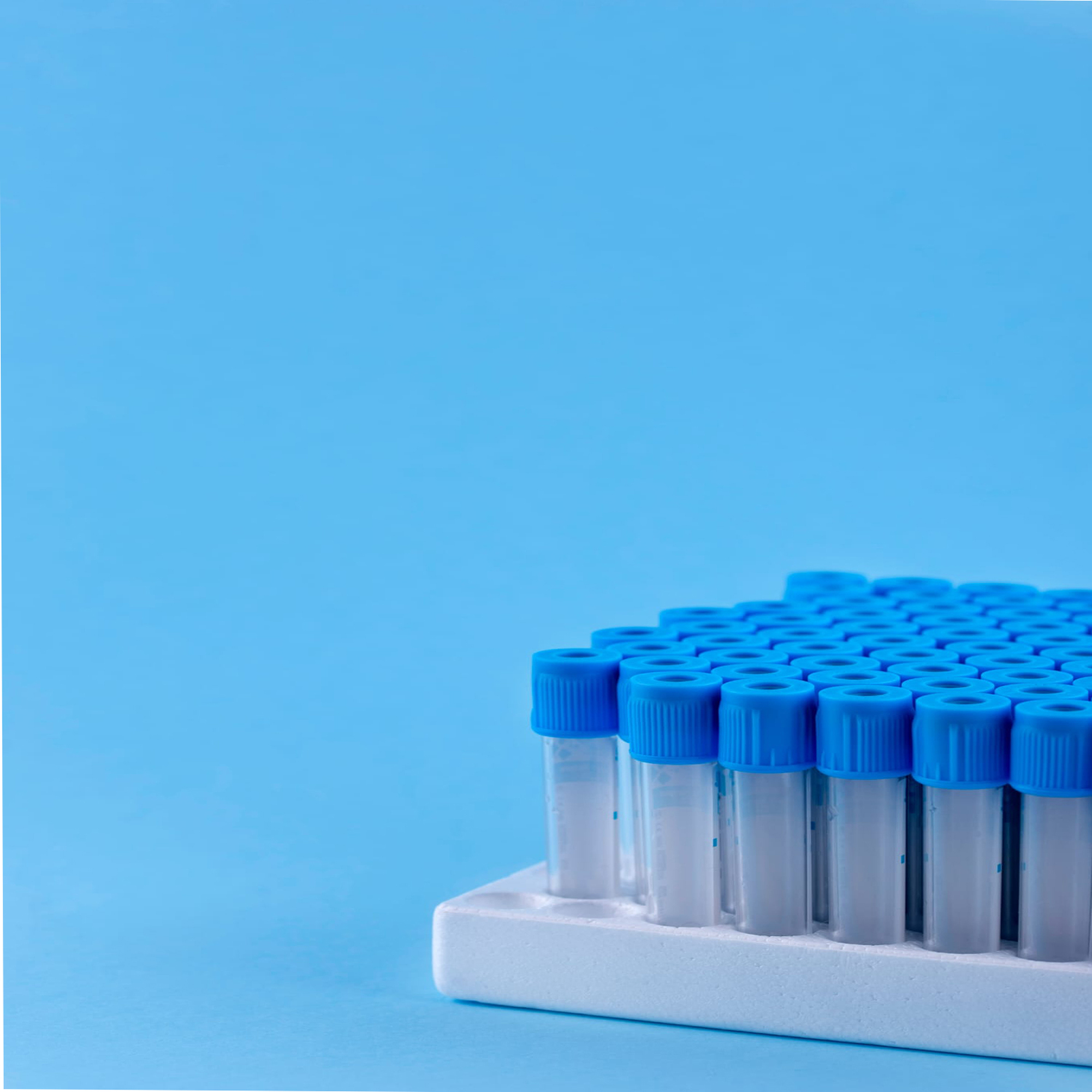
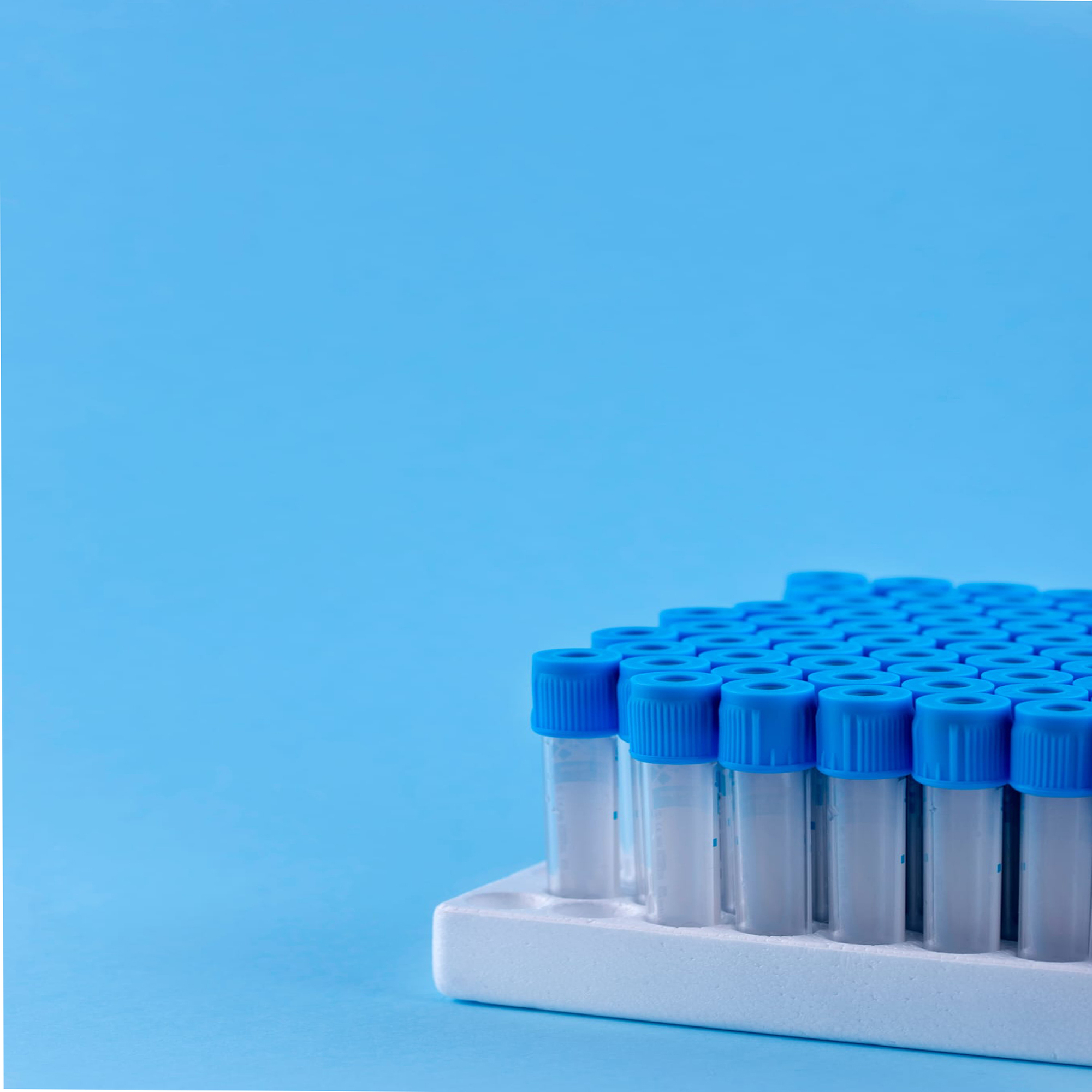
Blood tests can evaluate hormonal levels, thyroid function, blood clotting disorders, and immune system-related issues. Beta-HCG (human chorionic gonadotropin) levels are also measured to monitor the progression of pregnancy.
2. Genetic Tests:
Genetic tests can be conducted using blood samples from both the mother and father to identify chromosomal abnormalities or genetic disorders that might cause miscarriage.
3. Tissue Examination:
Examining the pregnancy material lost after a miscarriage can help identify abnormalities, chromosomal disorders, or other health issues. This analysis can be performed through tissue biopsy or pathology examination.
4. Hormonal Tests:
Measuring hormonal levels such as estrogen, progesterone, and thyroid hormones can assist in understanding the causes of pregnancy loss in certain cases.
The tests to be performed for an individual experiencing pregnancy loss may vary depending on the situation and past medical history. These tests are particularly crucial for those experiencing recurrent miscarriages or pregnancy losses as early diagnosis of underlying health issues can lead to better outcomes in future pregnancies. It's important to consult with a healthcare professional to determine the most appropriate tests and evaluate the results.
When Are Tests Recommended after Pregnancy Loss?
Tests may be recommended in cases where recurrent miscarriages or pregnancy loss issues are experienced. The purpose of these tests is to determine the underlying causes and prevent recurring losses. Here are some scenarios in which tests might be recommended after a pregnancy loss:
1. Recurrent Miscarriages:
Tests can be conducted to determine the causes of recurrent miscarriages in women who have experienced three or more pregnancy losses.
2. Advanced Maternal Age:
Women aged 35 and older may opt for tests such as genetic testing earlier in case of pregnancy losses.
3. Previous Pregnancy Losses:
For individuals with a history of pregnancy loss, tests can be performed to understand the causes for healthier subsequent pregnancies.
4. Pregnancy Complications:
In cases of complications in previous pregnancies (such as preeclampsia, placental problems), tests can be done to determine the underlying causes.
5. Repeated In Vitro Fertilization (IVF) Failures:
Genetic tests and hormonal evaluations can be performed for individuals experiencing repeated failures during IVF treatments.
6. Chromosomal Abnormalities:
Genetic counseling and tests can be recommended if chromosomal abnormalities or genetic issues have occurred in previous pregnancies or births.
7. Chronic Illnesses:
Women with chronic health problems like high blood pressure or diabetes may require additional tests in case of pregnancy losses.
8. Structural Abnormalities:
In cases where structural abnormalities are known in the uterus or reproductive systems, tests such as uterine imaging or other structural examinations may be requested.
The tests to be conducted for someone experiencing pregnancy loss may vary based on their history, situation, and the evaluation by the doctor. As pregnancy loss can affect both emotional and physical health, seeking support and following the advice of a healthcare professional is essential. Individuals experiencing pregnancy loss can ensure appropriate tests are conducted by sharing their concerns and questions with a healthcare provider.