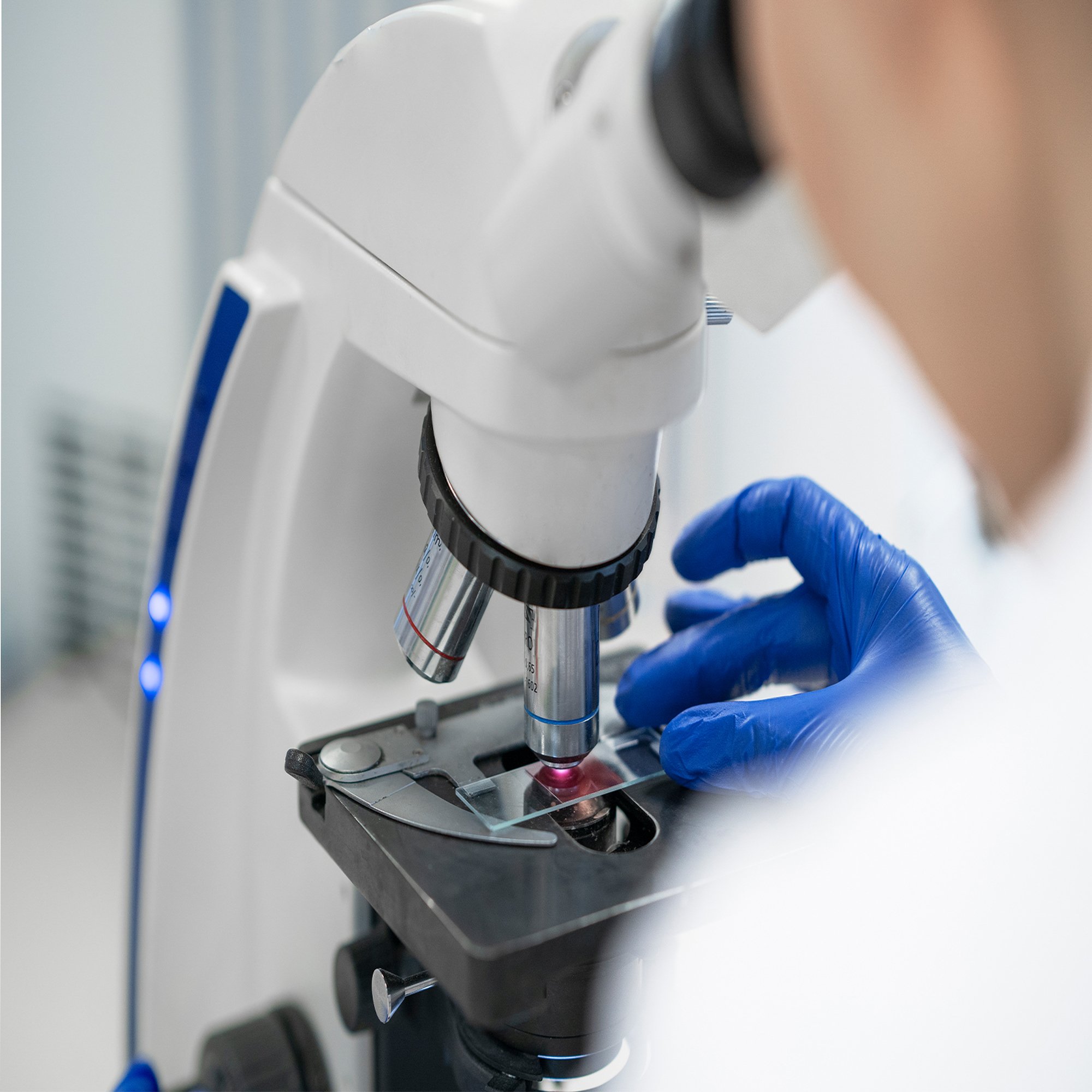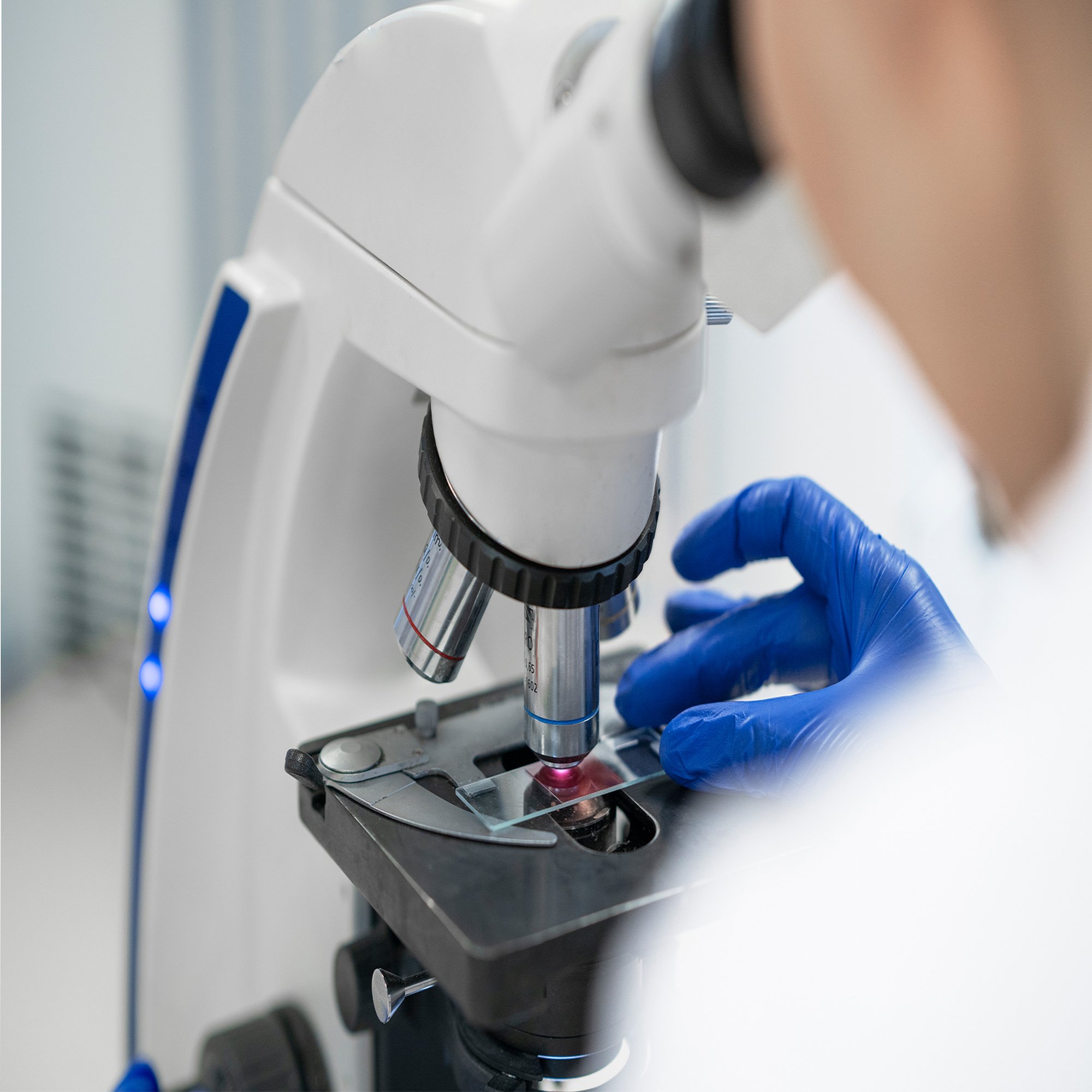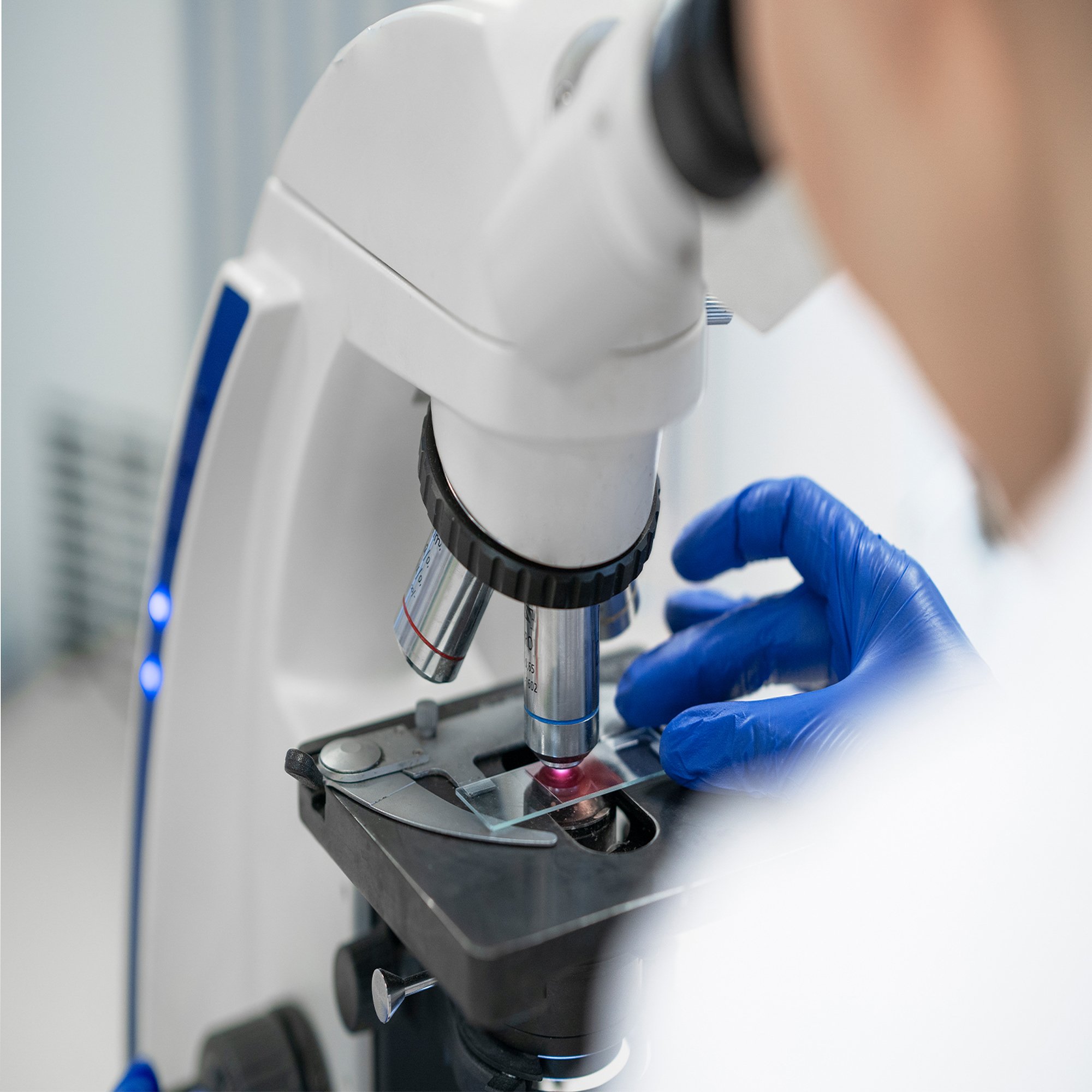

Gastrointestinal Disease Tests
What are Stomach and Intestinal Disease Tests?
Stomach and intestinal disease tests are medical examinations conducted to diagnose various digestive system-related conditions or determine their causes. These tests are used to evaluate the functions and health of the stomach and intestines. Some common stomach and intestinal disease tests include:
1. Blood Tests:
Blood tests can be performed to detect certain symptoms of stomach and intestinal diseases. For instance, they can reveal the presence of certain infections or assess inflammation levels.
2. Stool Tests:
These tests are conducted to detect blood or pathogens in stool samples. They are used to investigate signs of infections like parasites, bacteria, or viruses.
3. Biopsy:
Tissue samples obtained during endoscopy or colonoscopy are examined to confirm diagnoses of potential conditions such as cancer or other serious ailments.
These tests encompass various methods used to determine the causes, symptoms, or complications of stomach and intestinal diseases. The choice of tests depends on the severity of symptoms, the patient's condition, and the doctor's assessment.
How are Stomach and Intestinal Disease Tests Conducted?
Tests for stomach and intestinal diseases are performed on individuals with specific symptoms or those at risk of the diseases using various methods. These tests can be conducted based on different techniques and objectives. Here is an overview of how some common stomach and intestinal disease tests are carried out:
1. Blood Tests:
Generally conducted in a laboratory setting, blood tests involve drawing blood, typically from the arm, for analyzing specific parameters. These tests usually yield results within a few hours.
2. Stool Tests:
Stool samples are usually collected by patients at home and delivered to a laboratory. The stool sample is collected in a specified container and stored under certain conditions until it reaches the laboratory, where it's analyzed for hidden blood, pathogens, or other indicators.
3. Biopsy:
Tissues collected during endoscopy or colonoscopy are obtained for biopsy and later examined in the laboratory.
When are Stomach and Intestinal Disease Tests Requested?
Healthcare professionals may request stomach and intestinal disease tests for individuals displaying certain symptoms or in specific risk groups. These tests might be requested based on the nature and severity of symptoms or specific risk factors. Here are the reasons for requesting these tests:
1. Gastrointestinal Symptoms:
Tests might be requested for individuals experiencing symptoms like diarrhea, constipation, nausea, vomiting, abdominal pain, bloating, bloody stools, or any other digestive discomfort.
2. Family History:
Tests may be requested for individuals with a family history of specific diseases such as stomach or intestinal cancer, polyps, Crohn's disease, ulcerative colitis, or other gastrointestinal disorders.
3. Elderly Population:
Tests can be conducted in elderly individuals for diagnosing or early detection of stomach and intestinal diseases.
4. Intestinal Disease Risk:
Tests might be requested for individuals with compromised or weakened immune systems (e.g., HIV/AIDS patients) due to an increased risk of intestinal diseases.
5. Chronic Symptoms:
Individuals with long-standing and undiagnosed stomach and intestinal symptoms may undergo tests to determine underlying causes.
6. Travelers:
Tests can be conducted for individuals who have traveled to tropical or subtropical areas and subsequently developed gastrointestinal symptoms.
7. High-Risk Occupational Groups:
Workers in occupations such as agriculture or livestock farming might undergo tests due to potential infection risks.
8. Systemic Symptoms:
Tests might be necessary in cases where stomach and intestinal diseases spread to other organs, resulting in systemic symptoms.
Why Are Stomach and Intestinal Disease Tests Done?
Stomach and intestinal disease tests are conducted to diagnose or determine specific conditions, particularly in individuals displaying digestive system symptoms or those at specific risks. These tests aim to identify the cause of symptoms, diagnose diseases early, assess risk, or monitor disease progression. In summary, these tests are performed to understand digestive system problems, diagnose diseases, or prevent them.