

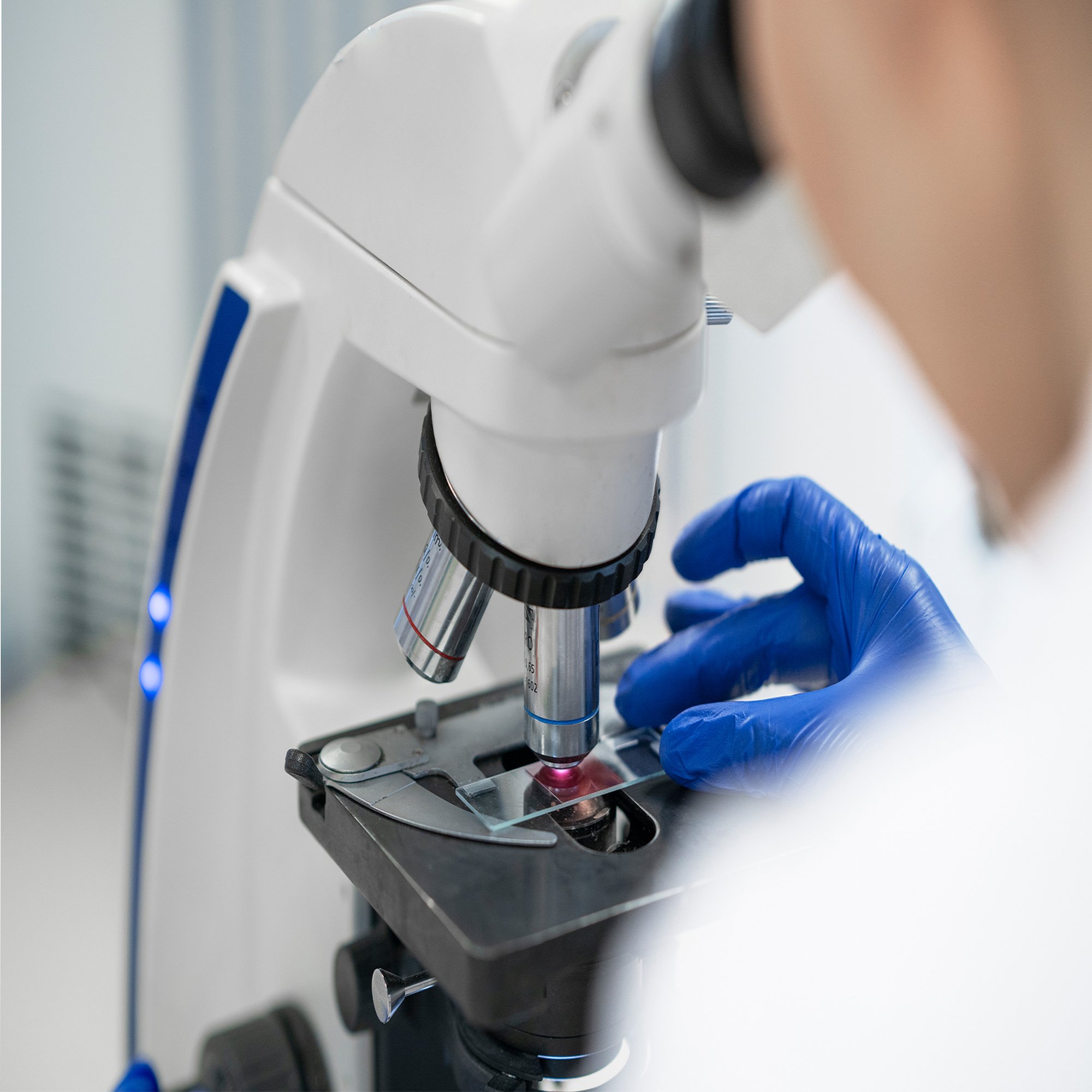
Stool Microscopic Examination
Stool microscopic examination refers to the detailed analysis of stool samples under a microscope in a laboratory setting. This examination is conducted to detect the presence of microscopic organisms, parasites, bacteria, or other pathogens in the stool sample. It can be used in the diagnosis of digestive system disorders, infections, or diseases. During microscopic examination, structures present in the stool sample, such as parasite eggs, bacteria, or other organisms, are examined under a microscope and attempted to be identified. This method can be a significant tool in determining the cause of an illness and guiding appropriate treatment.
What is Stool Microscopic Examination Test?
Stool microscopic examination test is a medical test performed by thoroughly examining stool samples under a microscope in a laboratory setting to identify microscopic organisms and structures within it. This test is carried out to detect digestive system disorders, infections, parasites, bacteria, or other pathogens. By examining the microscopic organisms present in stool samples, the cause of the disease can be determined, leading to the identification of suitable treatment methods. This test provides essential information to healthcare professionals for diagnosing and treating diseases.
When is Stool Microscopic Examination Requested?
1. Gastrointestinal Symptoms:
It can be requested for individuals experiencing digestive system symptoms such as diarrhea, abdominal pain, weight loss, nausea, vomiting to detect digestive system infections or parasites.
2. Travelers:
Individuals who have traveled to tropical or subtropical regions and developed digestive system symptoms, particularly symptoms like diarrhea, might undergo this test to determine the presence of parasites or other pathogens.
3. Occupational Risk:
Individuals engaged in occupations like agriculture, livestock farming, or those in contact with animals or facing hygiene deficiencies might be requested to undergo this test to identify digestive system infections.
4. Weakened Immune System:
Individuals with weakened immune systems, especially HIV/AIDS patients, might undergo this test to detect the presence of infections.
5. Epidemiological Studies:
For public health purposes, extensive epidemiological studies might utilize this test to determine the prevalence of digestive system infections in specific regions or communities.
Your doctor may request this test after evaluating your symptoms. Apart from the specified conditions, it might also be requested in different digestive system disorders based on individual circumstances. Therefore, consulting your doctor to determine its appropriateness is crucial.
Significance of Stool Microscopic Examination Test:
1. Diagnosis of Infections:
In individuals with digestive system symptoms, stool microscopic examination can assist in diagnosing bacterial, viral, or parasitic infections.
2. Guiding Treatment:
Test results can be used to determine appropriate treatment based on identified pathogens. Correct treatment can help alleviate symptoms and control infections.
3. Disease Monitoring:
After starting treatment, repeating stool microscopic examination can assess the effectiveness of the treatment and monitor the course of the disease. There are indicators that show whether the treatment has been successful or not.
4. Importance for Public Health:
For epidemiological studies and health authorities, this test can be broadly used to determine the prevalence of digestive system infections in specific regions or communities.
5. Early Diagnosis:
For specific situations like travelers or high-risk occupational groups, this test can be important in identifying infections in the early stages of digestive system symptoms, allowing for earlier treatment initiation.