
Anemia Tests
Anemia (Anemia) Tests
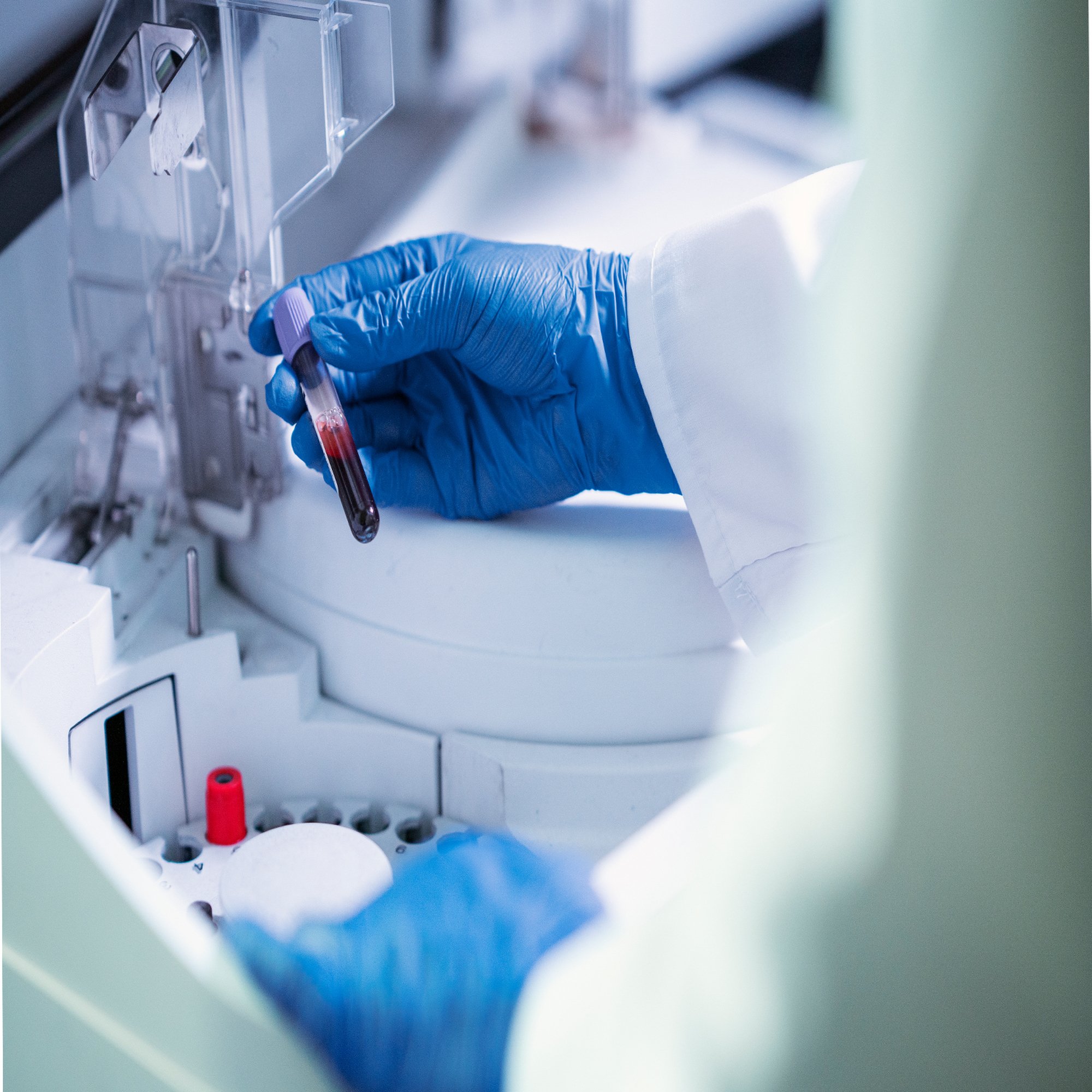
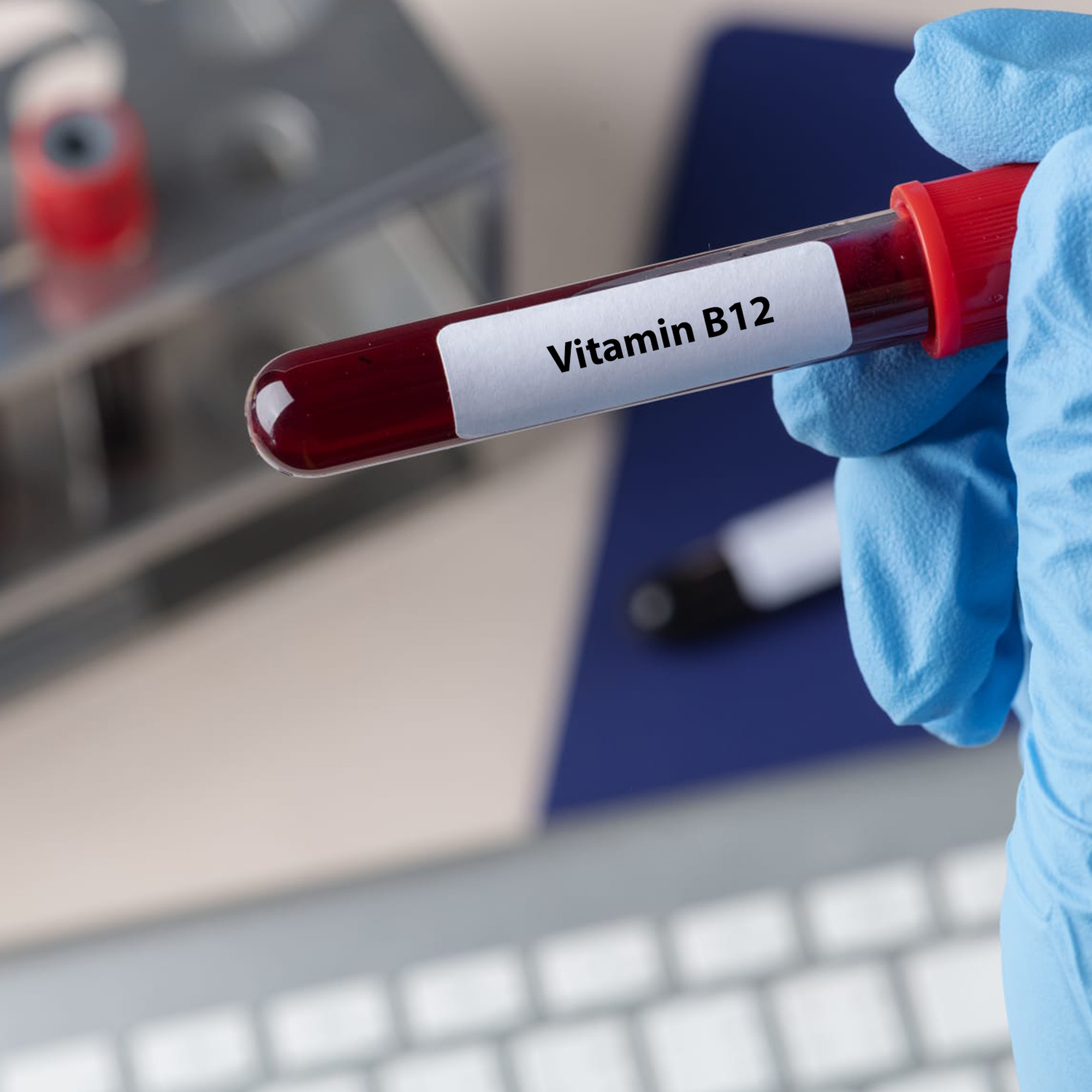
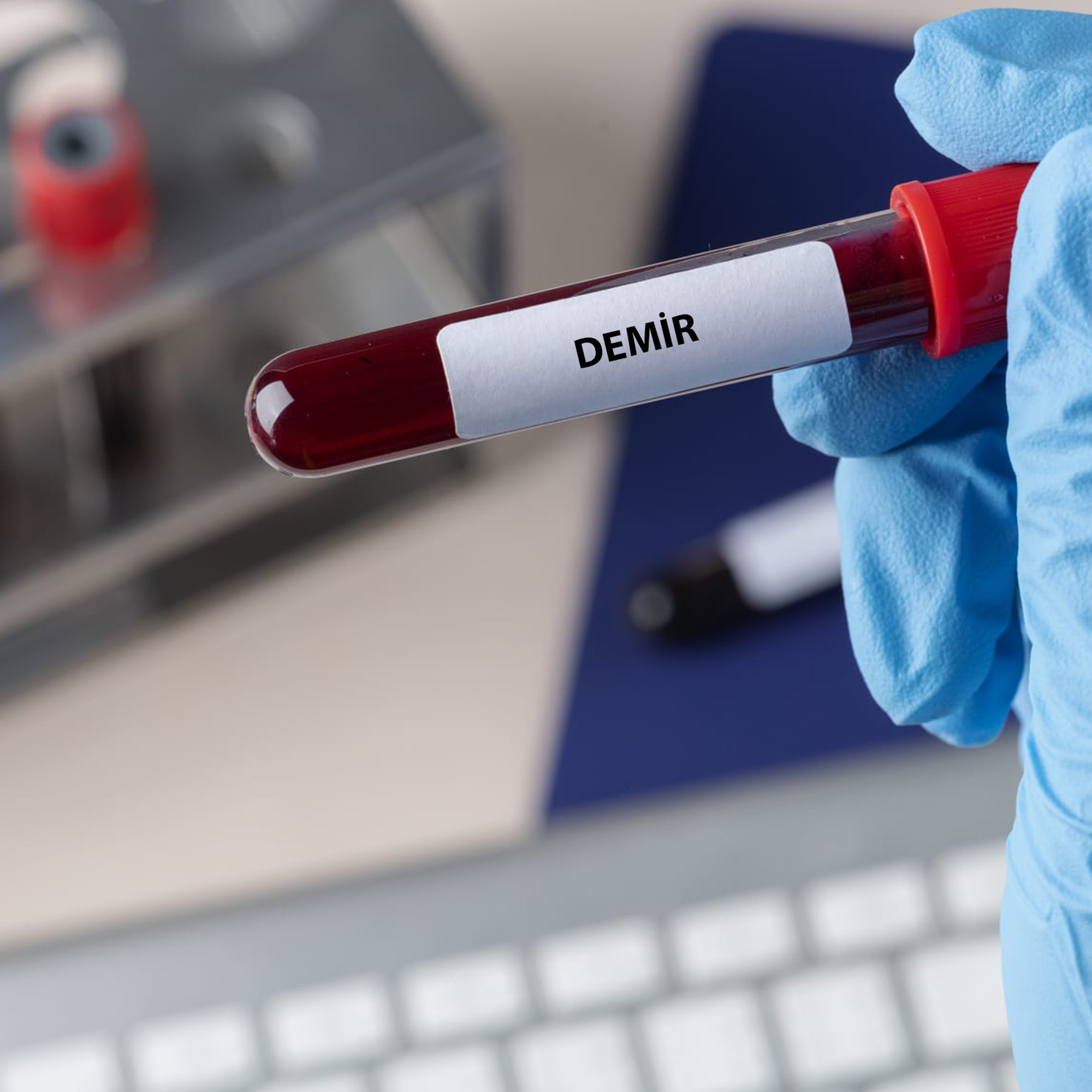
Anemia tests are examinations that measure the count, size, shape, and functionality of red blood cells (erythrocytes) in the body, confirming the diagnosis of anemia. These tests also evaluate hemoglobin levels in the blood and levels of essential nutrients such as iron, B12 vitamin, and folate, helping to identify the underlying cause of anemia. The primary goal is to detect factors causing anemia and determine appropriate approaches for treatment.
What Are Anemia (Anemia) Tests?
Anemia is a condition where the number or function of red blood cells in the body decreases, leading to inadequate oxygen transport in the blood. This results in insufficient oxygen intake by the body. There are various types of anemia, typically arising due to factors like iron deficiency, vitamin deficiency, blood loss, genetic factors, or other health conditions. Symptoms of anemia can include fatigue, weakness, pale skin, and shortness of breath. Anemia can be managed with accurate diagnosis and appropriate treatment.
What Are the Causes of Anemia (Anemia)?
1. Iron deficiency:
This is the most common type of anemia. When the body doesn't receive sufficient iron, it can lead to decreased production of red blood cells, resulting in anemia.
2. Vitamin deficiency:
Deficiency in vitamins (such as B12, folate) can affect the production of red blood cells and cause anemia.
3. Chronic illnesses:
Certain chronic diseases, such as inflammation, cancer, or kidney diseases, can affect the production of red blood cells in the body.
4. Genetic factors:
Some types of anemia can be genetic and occur due to inherited genetic disorders.
5. Blood loss:
Anemia can result from conditions causing blood loss, such as trauma, surgical procedures, or gastrointestinal issues.
6. Chronic kidney disease:
Kidney diseases can influence the production of red blood cells in the body.
What Are the Types of Anemia (Anemia)?
1. Iron Deficiency Anemia:
The most frequently encountered type of anemia. Decreased production of red blood cells occurs when the body doesn't receive adequate iron. This results in impaired normal functions of red blood cells and subsequently reduces their capacity for oxygen transport.
2. Vitamin Deficiency Anemia:
Particularly the deficiency in B12 vitamin and folate (folic acid) can affect the production of red blood cells. These vitamins are crucial for the maturation of red blood cells. Inadequate intake can hinder the proper formation of red blood cells.
3. Anemia in Chronic Diseases:
Some chronic illnesses, particularly inflammatory conditions, cancer, or kidney diseases, can impact the production or usage of red blood cells in the body, leading to anemia.
4. Hemolytic Anemia:
This type of anemia occurs when red blood cells are destroyed more rapidly than normal. Genetic factors, infections, or certain medications can accelerate this process.
5. Cyclosporine-Related Anemia:
Cyclosporine-related anemia is a type of anemia associated with the use of cyclosporine, an immunosuppressant drug used in situations like organ transplantation.
6. Sickle Cell Anemia:
Sickle cell anemia, a genetic disease, is characterized by the presence of abnormally shaped red blood cells. This condition obstructs the adequate delivery of oxygen to tissues and organs as the cells pass through the circulatory system.