

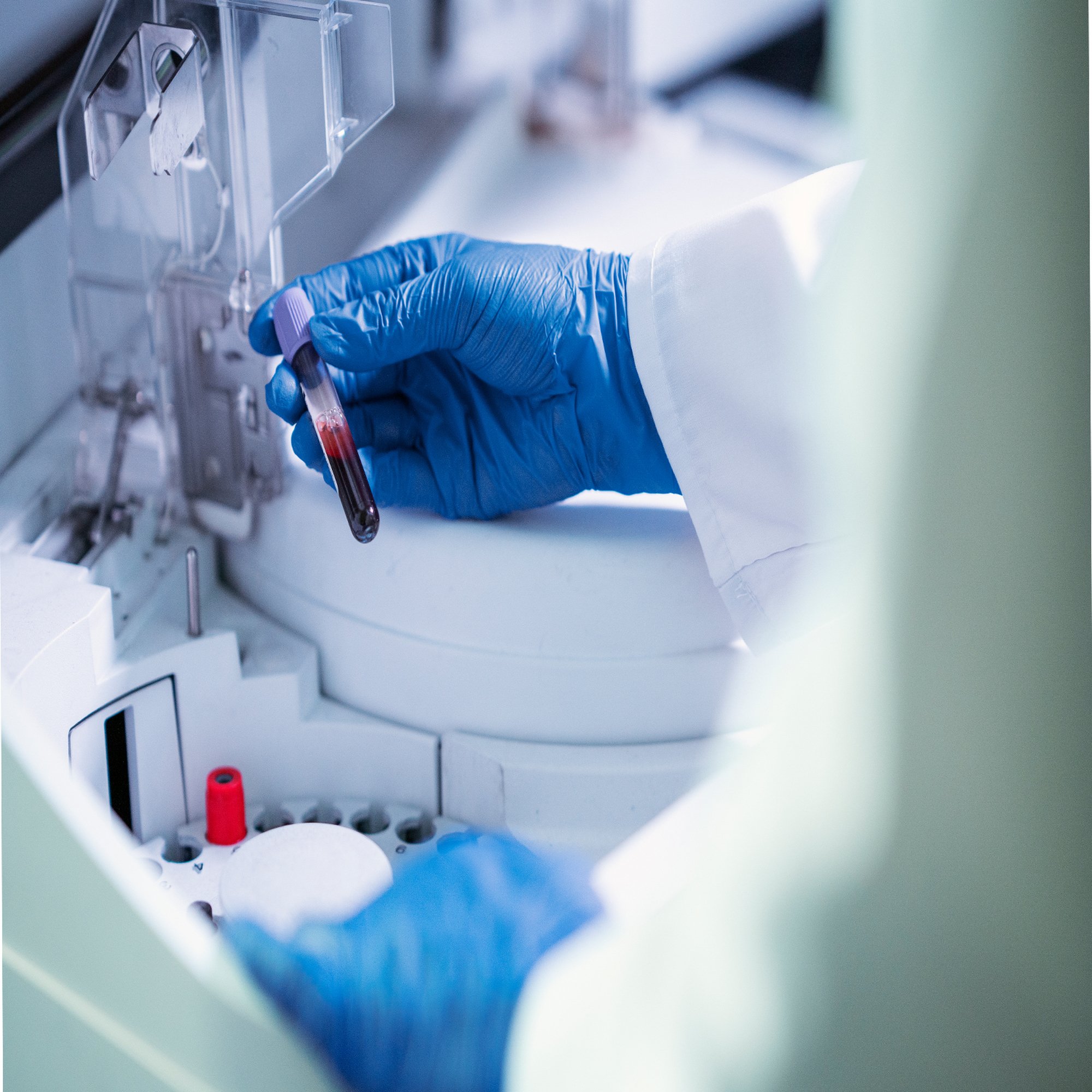
Hemoglobin Electrophoresis
Hemoglobin electrophoresis is a laboratory technique used to separate and identify different types of hemoglobin found in a blood sample. Hemoglobin is a protein found in red blood cells that carries oxygen throughout the body. There are different types of hemoglobin, and changes or abnormalities in this structure can lead to various blood disorders such as thalassemia, sickle cell anemia or hemoglobinopathies.
The process of hemoglobin electrophoresis involves placing a small amount of a blood sample into a gel or supporting medium and exposing it to an electric current. Different types of hemoglobin move at different speeds within the gel depending on their electrical charge and size, allowing them to be separated and identified.
This technique is used to identify abnormal hemoglobin variants or to determine the presence of certain hemoglobin abnormalities. This provides valuable information to healthcare professionals, especially for diagnosing certain blood disorders. Hemoglobin electrophoresis results provide detailed information to the specialist who orders this test to understand and manage various anemias or blood-related conditions.
What is Hemoglobin Electrophoresis Test?
Hemoglobin electrophoresis test is a laboratory test to distinguish different types of hemoglobin in a blood sample. This test is used to diagnose various blood diseases by identifying hemoglobin variants. Electrophoresis separates hemoglobin species by exposing the gel to an electric current. In this way, normal and abnormal hemoglobin variants can be detected.
Why is Hemoglobin Electrophoresis Important for Marriage?
Hemoglobin electrophoresis testing is an important premarital screening test because it helps identify different hemoglobin variants. Some hemoglobin variants are genetically inherited and can be passed from parents to children. If both parents are carriers of a particular hemoglobin variant, their child may be at risk of carrying a more severe form of such variant.
For example, genetic hemoglobin disorders such as sickle cell anemia or thalassemia can be detected through this test. If both parents are carriers, their children may be more likely to have the disease. This is important to ensure knowledge of children's health status and risks, to prevent possible complications or to start treatment early if necessary.
Therefore, hemoglobin electrophoresis testing may be recommended for premarital counseling and to determine the presence of genetic hemoglobin disorders that are more common, especially in certain ethnic groups. This test is used to understand potential risks and evaluate genetic factors that may affect the health of future children. Identifying genetic incompatibilities between parents can be an important step in healthy family planning. Therefore, hemoglobin electrophoresis testing is important for premarital genetic counseling and assessing risks.
Hemoglobin Electrophoresis What is the Risk of Anemia?
Hemoglobin electrophoresis is a test that helps determine the risk of anemia. This test is intended to diagnose genetically transmitted types of anemia and identify certain hemoglobin variants. By detecting abnormal hemoglobin types, it can identify genetic factors that lead to anemia. This test can help individuals at risk for anemia collaborate with their doctors for early diagnosis and treatment.