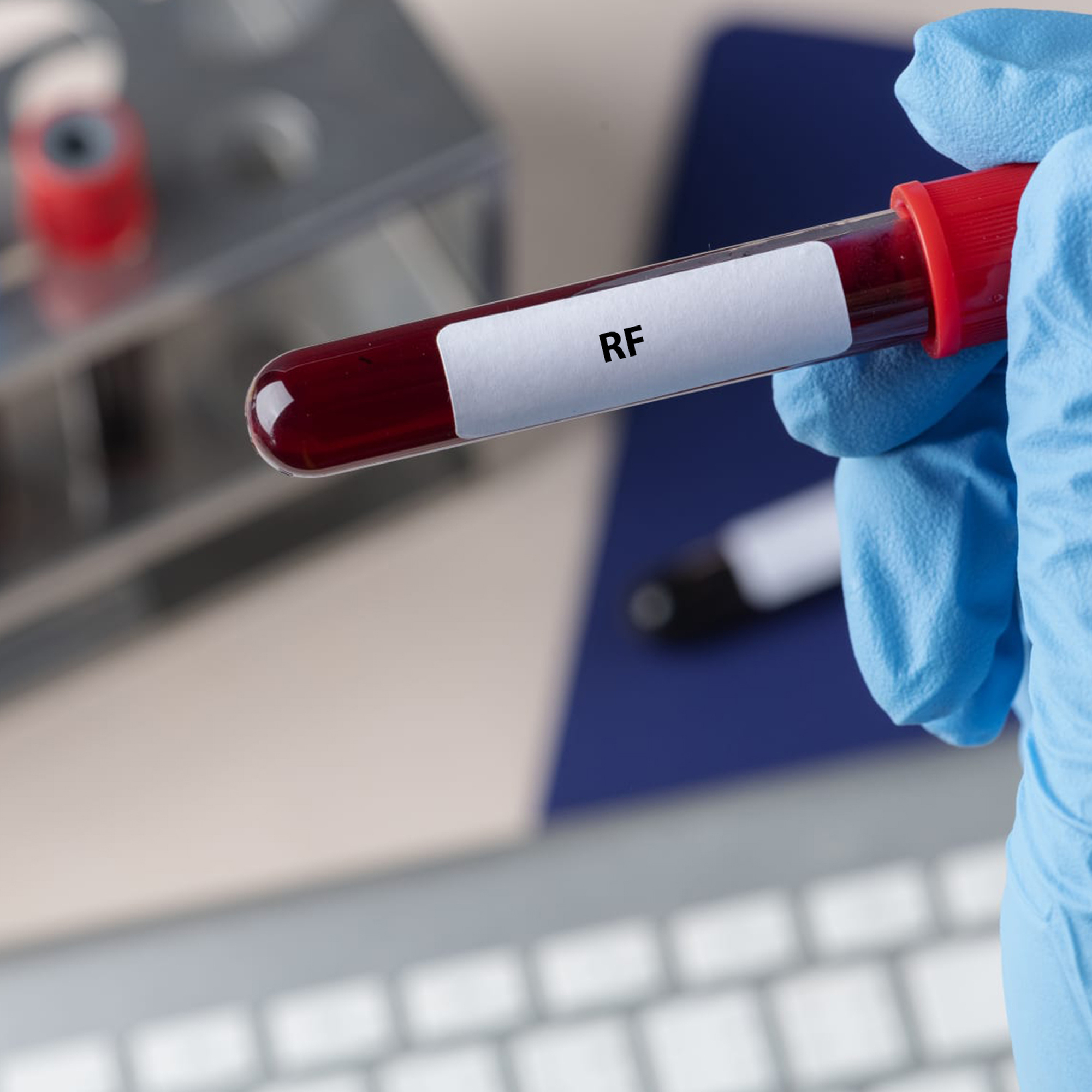

Infection Tests
Infection Tests
Infection tests are various examinations conducted to detect or identify a suspected infection within the body. Infections can occur as a result of microorganisms such as bacteria, viruses, fungi, or parasites entering the body. These tests are employed to confirm the existence of a specific infection, determine the type of infection, assess the prevalence of the infection, or establish an appropriate approach for treatment. Common symptoms of infections generally include fever, cough, sore throat, muscle and joint pains, headache, and fatigue. However, symptoms may vary depending on the type of infection. It is crucial that when symptoms emerge or there is suspicion of an infection, necessary tests are conducted by consulting a healthcare professional to appropriately guide the treatment.
What Are Infection Tests?
Infection tests are diagnostic procedures used to identify or confirm infections suspected to be present within the body. Typically, these tests involve the examination of samples such as blood, urine, tissues, or body fluids. Infection tests help in detecting the presence of microorganisms such as bacteria, viruses, fungi, or parasites and determining the type of infection. They are essential in determining an appropriate treatment approach and understanding the course of the disease.
Why Are Infection Tests Conducted?
1. Determining the Cause of Symptoms:
If an individual exhibits symptoms of infection (e.g., fever, cough, diarrhea), tests can be conducted to identify which microorganism or agent is causing these symptoms.
2. Diagnosis:
If an individual has symptoms and a doctor suspects an infection, tests may be performed to make a diagnosis. For instance, a test can be carried out to confirm the presence of a specific virus in someone displaying flu-like symptoms.
3. Determining Treatment Options:
Identifying the type of infection you are dealing with can help in determining the most effective treatment or which medications to use.
4. Preventing Spread of Infection:
In some cases, confirming the presence of a contagious infection is crucial to prevent its spread, particularly in communal living areas (such as schools, workplaces, nursing homes).
5. Evaluating Treatment Efficacy:
In certain instances, tests can be conducted post-treatment to assess whether the infection persists or to determine how the infection responded to treatment.
When Are Infection Tests Requested?
1. Presence of Symptoms:
Tests may be requested if an individual exhibits symptoms that suggest the possibility of an infection, such as fever, cough, sore throat, or diarrhea.
2. For Diagnosis:
If symptoms indicate an infection, a doctor may request tests to confirm a specific infectious disease and determine appropriate treatment.
3. Treatment Guidance:
Tests might be required to identify the specific type of infection to guide the use of suitable treatment or antibiotics.
4. For Preventive Measures:
In communal settings, tests might be requested to prevent the spread of an infection and establish infection control measures.
5. Post-Treatment Assessment:
Tests can be conducted after treatment to assess whether the infection persists or how it responded to the treatment.
These tests can vary depending on the type of infection and symptoms. Typically, laboratory tests are conducted using samples such as blood, urine, tissues, or body fluids. Infection tests serve as an important tool in identifying the cause of the illness and guiding appropriate treatment. It is essential to conduct tests before commencing treatment to ensure accurate diagnosis and determine suitable treatment.