
Kidney Function Tests
Kidney Function Tests
Kidney function tests are used to evaluate the health of the kidneys. These tests are conducted to determine how effectively the kidneys are functioning, how they filter waste materials, and regulate the body's water and electrolyte balance. Kidney function tests are typically performed to detect kidney diseases, monitor kidney functions, or follow specific treatments.
What Are Kidney Function Tests?
These tests are conducted to ascertain how well the kidneys are functioning, how effectively they clean waste substances, and how they regulate the body's water and electrolyte balance. They serve the purpose of assessing kidney health, detecting kidney diseases, or monitoring a specific treatment.
How Are Kidney Function Tests Conducted?
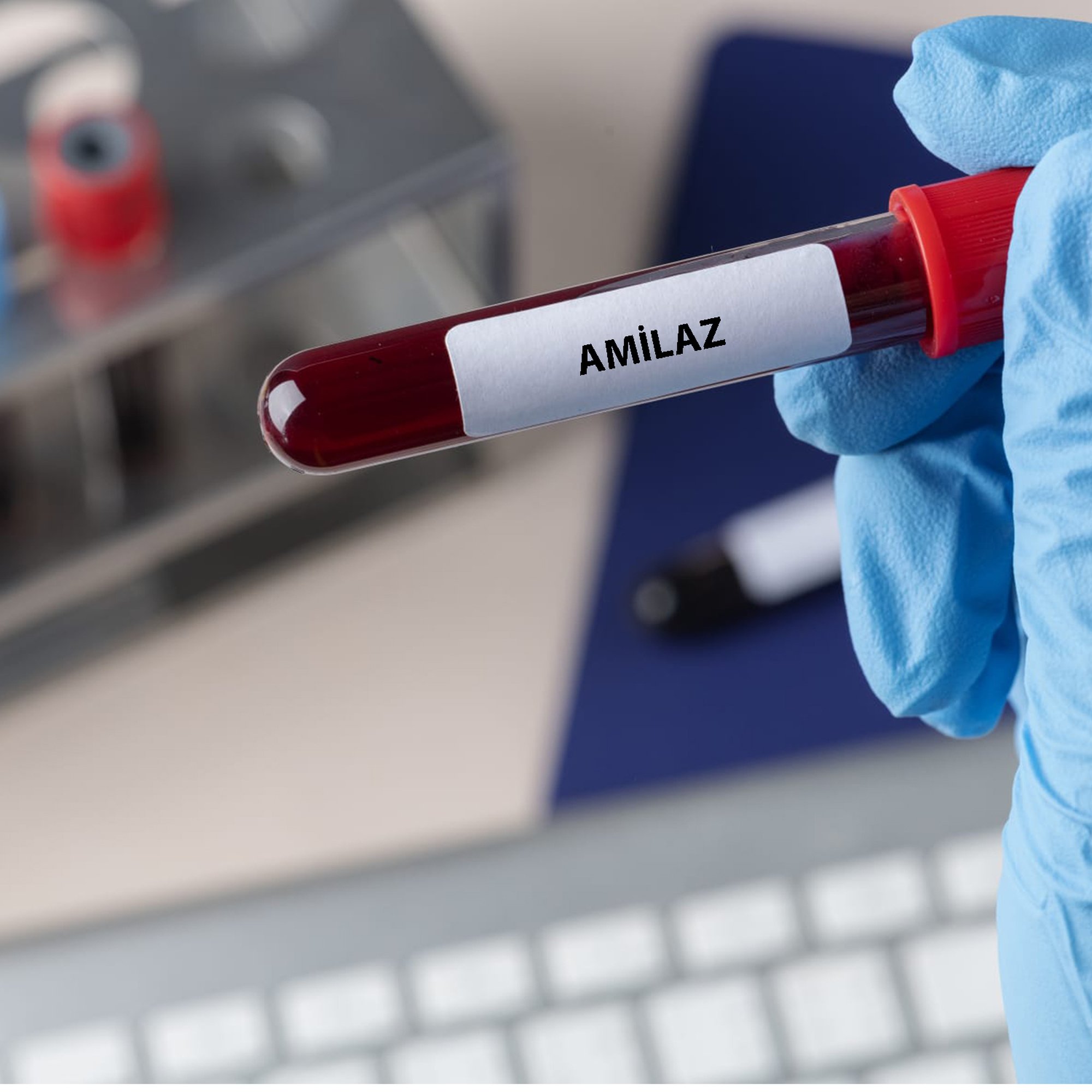
The patient's appointment is scheduled in advance, and there might be a preparatory process before the tests. Patients might be required to provide blood samples on an empty stomach. In the laboratory, a technician collects a blood sample from a vein in the inner arm using a sterile needle. Once the needle is inserted, the blood sample is collected in one or more tubes.
When Are Kidney Function Tests Requested?
1. Symptoms of Kidney Disease:
Particularly, if there are symptoms such as changes in urine color, frequent urination, pain or burning sensation while urinating.
2. Monitoring Chronic Diseases like Diabetes or Hypertension:
Such conditions can affect the kidneys, so regular kidney function tests may be required.
3. Use of Specific Medications (for instance, drugs with adverse effects on the kidneys):
Some medications can have harmful effects on the kidneys; therefore, kidney functions should be monitored during long-term use.
4. Previous Kidney Problems such as Kidney Stones or Infections:
Regular kidney function tests might be recommended for individuals with a history of kidney problems.
Why Are Kidney Function Tests Conducted?
1. Evaluation of Symptoms and Risk Factors:
Doctors may request kidney function tests for individuals displaying symptoms or having risk factors associated with kidney problems. These symptoms may include:
- Frequent urination
- Changes in urine color (dark, bloody, or cloudy)
- Pain or burning sensation during urination
- Sudden weight changes
- Swelling (edema), especially in ankles, hands, or face
- High blood pressure
- Chronic diseases prone to kidney damage such as diabetes or high blood pressure
2. Diagnosis and Monitoring of Diseases:
These tests are performed to detect kidney diseases or monitor existing kidney conditions, particularly in individuals with chronic conditions like diabetes or high blood pressure.
3. Assessment of Medication Effects:
Some medications can have adverse effects on the kidneys. Hence, kidney function tests may be conducted to evaluate the impact of specific medications during long-term use.
4. Preoperative or Treatment Assessment:
Prior to major surgeries or certain treatments, it might be necessary to evaluate kidney functions to determine suitability for surgery or treatment.
5. Health Check-Ups:
In certain cases, kidney function tests might be requested during routine check-ups to assess overall health and detect potential kidney issues early.