

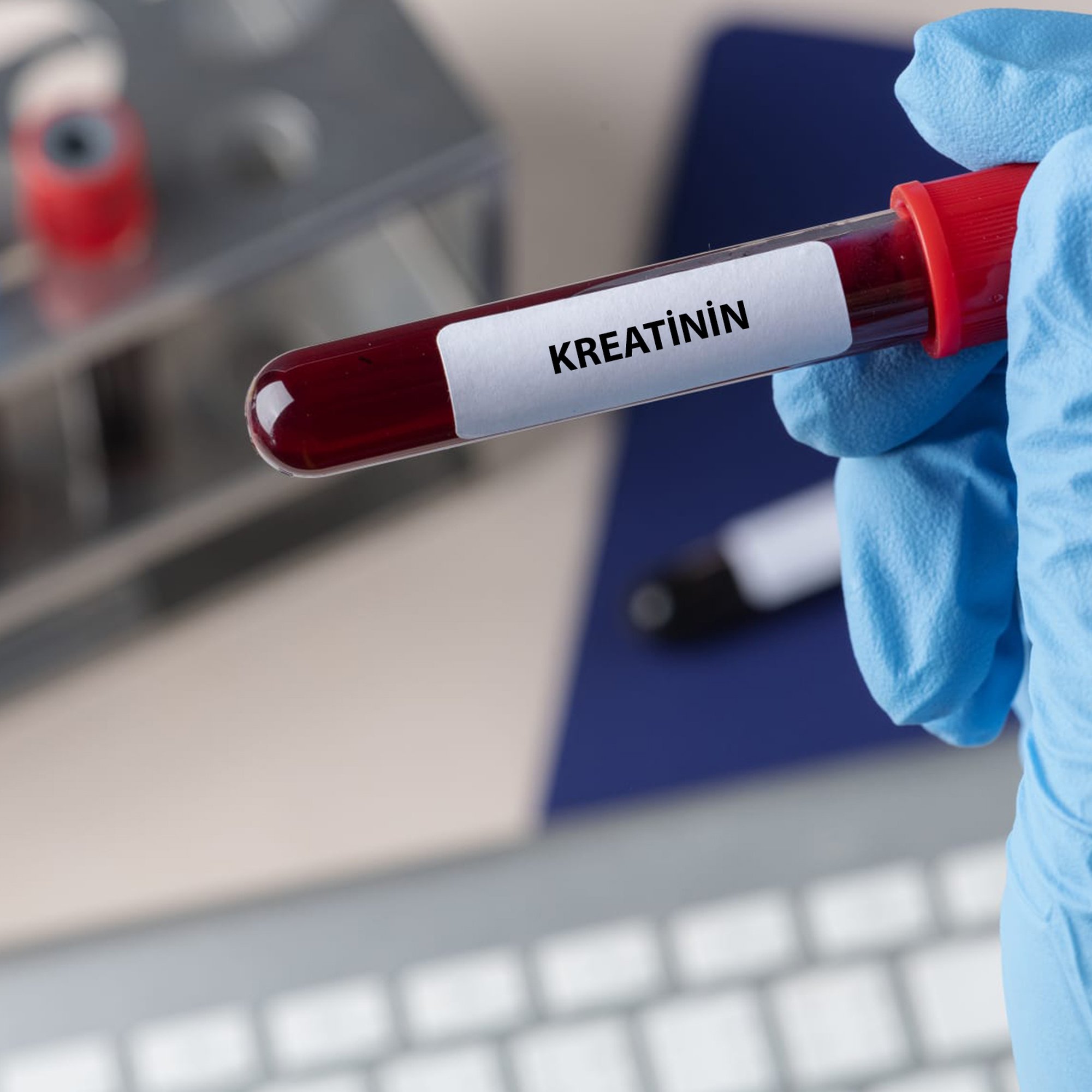
Creatinine
Creatinine is a value found in everyone's body regardless of age, present naturally, and is a small amount of amino acid found in food. It's produced in the liver, exists in muscles, and is utilized for energy in the body. Essentially, creatinine is a chemical waste product, a byproduct of normal muscle function in the blood. This waste results from the natural wear and tear of muscles. Creatinine is filtered out by the kidneys and excreted through urine. Muscle mass affects creatinine levels. Activity level, medications, and body composition also play a role in determining the level of creatinine in the blood. Both blood and urine can be tested for creatinine levels, which allows the assessment of kidney function and condition.
Creatinine Test?
The creatinine test is a medical test that measures creatinine levels in the blood. Creatinine, a waste product generated as a result of normal metabolism in muscles, is utilized to evaluate kidney function since it is usually continuously eliminated by the kidneys through urine. Elevated creatinine levels may indicate kidney damage or failure. This test is used to monitor kidney health, assess treatment response, or evaluate kidney function.
When is the Creatinine Test Requested?
1. Evaluation of Kidney Function:
To monitor kidney health and evaluate kidney function.
2. Suspected Kidney Damage or Failure:
High creatinine levels may indicate kidney damage or failure.
3. Evaluation of Treatment Response:
To check the effectiveness of treatment.
4. Assessment of Medication Effects on the Kidneys:
To evaluate the effects of certain medications on kidney function.
Elevated Creatinine Levels?
A decrease in blood volume, prolonged dehydration, low blood pressure, and severe infections can lead to elevated creatinine levels. Additionally, bladder stones, bladder masses, and urethral stones can increase creatinine levels. Moreover, certain medications can also raise the level of creatinine. Elevated creatinine levels refer to a higher-than-normal level of creatinine in the body. Creatinine is a waste product generated during the normal function of muscles and is excreted through the kidneys. When its function is impaired or damaged, high creatinine levels occur. Elevated creatinine levels might lead to nausea and vomiting.
Alongside these symptoms, the following can also be observed:
Frequent urination, painful or bloody urination, increased blood pressure, fatigue, chest pain, muscle cramps, dry skin, difficulty in breathing, development of edema in the body, swelling, and fluid accumulation in the hands and feet.
Low Creatinine Levels?
Low creatinine indicates that the amount of creatine in the blood is below normal values and signifies a disease affecting creatine production in the body, such as muscle dystrophy, or a decrease in muscle mass due to aging. Symptoms of low creatinine occur when creatinine levels in the blood are below normal due to inadequate protein intake or nutritional deficiencies. Symptoms may include weight loss, weakness, dizziness, fatigue, and exhaustion.