

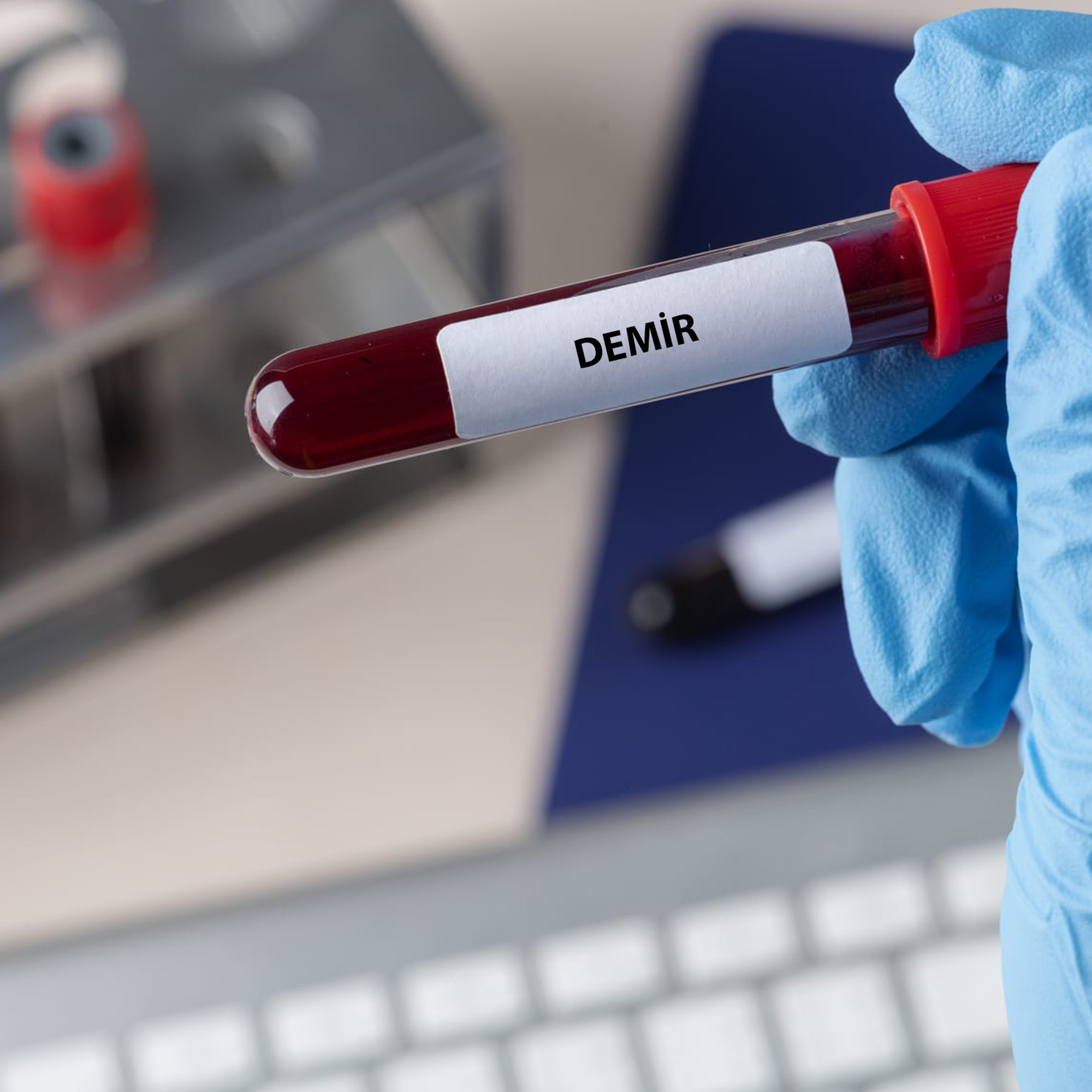
Iron
Iron is a fundamental mineral for the body and plays a critical role in many biological functions. It supports functions such as oxygen transportation, energy production, and cellular metabolism. Additionally, it has an important role in DNA synthesis, immune system functions, and nervous system functions.
Iron obtained through nutrition is stored by storage organs in the body such as the liver, spleen, bone marrow, and other tissues. Iron deficiency occurs when the body's iron stores decrease, leading to various health issues. Symptoms of iron deficiency include anemia (low red blood cell count), fatigue, weakness, low energy levels, weakened immune system, and other health problems.
What is an Iron Test?
An iron test is a medical test conducted to measure the levels of iron in the body. This test is performed by taking a blood sample and helps in determining the amount of iron in the body.
Iron tests are usually requested to evaluate conditions like iron deficiency or excess. This test provides information about a person's iron metabolism and can assist in diagnosing or treating certain health issues.
While assisting in the evaluation of iron stores in the body, iron tests are also significant tools in detecting iron deficiency anemia or other disorders related to iron metabolism. Regularly testing iron levels can be important for treatment plans and monitoring health conditions. This test is ordered when deemed appropriate by a healthcare professional.
Why is the Iron Test Important?
1. Detection of Iron Deficiency or Excess:
Iron tests are used to detect conditions such as iron deficiency anemia or iron excess. By determining iron levels in the body, these tests help identify disorders in iron metabolism.
2. Diagnosis and Treatment of Health Issues:
Iron deficiency can lead to symptoms like fatigue and weakness. Iron tests are used to identify the underlying cause of these symptoms and initiate appropriate treatment.
3. Monitoring Treatment Responses:
Monitoring iron levels during the treatment of iron deficiency anemia or other iron metabolism disorders is crucial. These tests can be used to assess the effectiveness of the treatment.
4. Management of Chronic Diseases:
Certain chronic diseases can affect iron metabolism. In such cases, iron tests may be required for disease management.
5. Maintaining Healthy Iron Levels:
Healthy iron levels are essential for the normal functioning of the body. Iron tests are necessary to ensure adequate iron intake and storage in the body.
When is the Iron Test Required?
1. Suspected Anemia:
An iron test may be requested for individuals showing symptoms of anemia like weakness, fatigue, paleness, and shortness of breath, often associated with iron deficiency.
2. Diagnosis of Iron Deficiency Anemia:
An iron test can be performed to confirm or rule out iron deficiency associated with anemia.
3. Determining the Cause of Iron Deficiency:
Iron tests can be conducted to identify the source of iron deficiency, which can be due to factors like diet, digestive problems, or blood loss.
4. Iron Excess or Toxicity:
Rarely, tests to measure iron levels may be requested in cases of iron overload or toxicity, usually resulting from excessive use of iron supplements or chronic blood transfusions.
5. Evaluation of Chronic Diseases:
Certain chronic illnesses can impact iron metabolism. In such instances, iron tests may be required to assess the progress of the disease.
6. Health Assessment:
Physicians may request iron level tests to check overall health. These tests might be requested, especially for individuals at risk or exhibiting specific symptoms (such as heavy menstrual bleeding in women).
What is Iron Deficiency?
Iron deficiency occurs when the body cannot obtain enough iron or faces absorption issues. Iron is a vital mineral that plays a critical role in numerous important bodily functions, particularly in the production of red blood cells and efficient oxygen transportation. Iron deficiency results when there is insufficient iron present in the body, which can be due to:
Inadequate Iron Intake:
Lack of iron-containing foods in the diet or an insufficient diet can lead to iron deficiency.
Poor Iron Absorption:
Digestive system issues or certain health conditions can hinder the body's adequate absorption of consumed iron.
Blood Loss:
Chronic blood loss, particularly heavy menstrual periods, gastrointestinal bleeding, or other sources of bleeding, can lead to iron deficiency.
Symptoms of iron deficiency may include:
Fatigue, weakness, and low energy levels
Pale skin or pallor
Shortness of breath or quick fatigue
Dizziness and headaches
Difficulty concentrating or memory issues
Numbness or cold hands and feet
These symptoms can vary from person to person, and not everyone with iron deficiency may experience all of these symptoms. In severe cases, iron deficiency anemia can develop, where the body fails to produce sufficient hemoglobin in red blood cells. Iron deficiency can be treated through changes in dietary habits, iron supplementation, or addressing underlying medical conditions.