

Protein S
Protein S is a natural anticoagulant protein within the body, playing a significant role in regulating blood clotting (coagulation). It collaborates with another anticoagulant protein called Protein C to prevent excessive blood clotting.
Primarily produced in the liver, Protein S is found in the circulatory system. It works in conjunction with Protein C to control blood clotting. Serving as a cofactor for Protein C, Protein S helps prevent the formation of blood clots. Together, they render Va and VIIIa factors ineffective in the coagulation process.
Protein S deficiency can increase the risk of blood clot formation (thrombosis). This deficiency can be either hereditary (hereditary protein S deficiency) or acquired due to conditions such as liver disease, vitamin K deficiency, specific medications, or disseminated intravascular coagulation (DIC).
Symptoms of Protein S deficiency can vary widely. While some individuals may exhibit no symptoms, others may experience issues related to blood clots, such as deep vein thrombosis (DVT), pulmonary embolism (PE), or recurrent miscarriages (in females).
Testing Protein S levels in the blood is conducted to diagnose deficiencies and evaluate the risk of clotting disorders. Treatment for deficiencies often involves managing the underlying cause, using anticoagulant medications, and implementing preventive measures to reduce the risk of clot formation.
Interpreting Protein S test results and managing deficiencies is typically done under the supervision and guidance of a healthcare professional, often a hematologist or an expert in coagulation disorders.
What Is the Protein S Test?
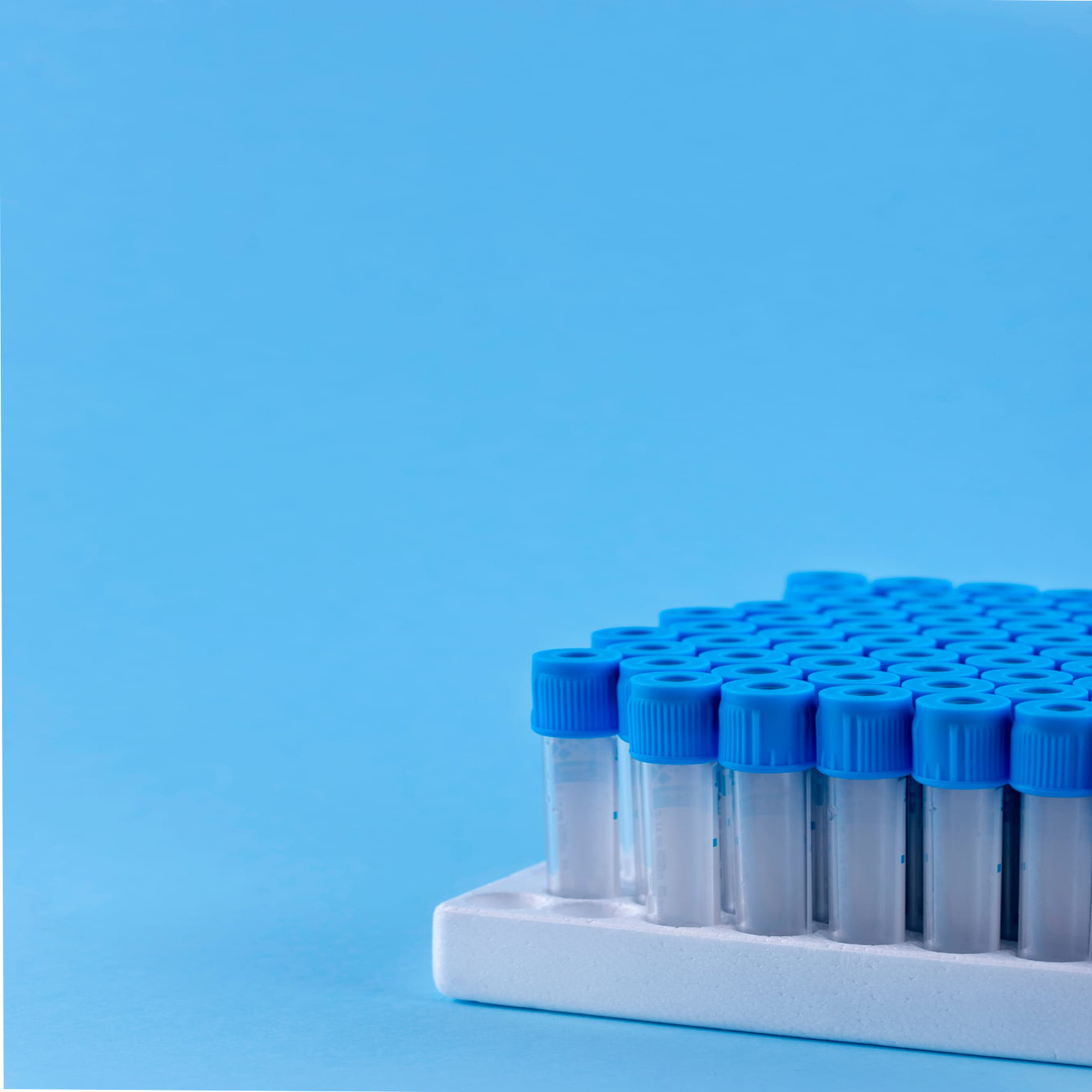
The Protein S test is a medical test conducted to examine the blood's clotting ability. This test measures the levels of Protein S present in the body. Protein S is a protein that prevents blood clotting, acting as a natural anticoagulant that impedes clot formation.
This test is performed to determine if Protein S levels are lower than normal and to assess the potential risk of blood clots (thrombosis). Protein S deficiency can increase the risk of excessive blood clotting and clot formation. Test results are used in the diagnosis of clotting disorders and in planning treatment. This test is a crucial component in a physician's evaluation of clotting disorders.
When Is the Protein S Test Requested?
1. Clotting Disorders:
Low Protein S levels can elevate the risk of blood clots (thrombosis). This test plays a crucial role in diagnosing clotting disorders in individuals experiencing recurring blood clots.
2. Family History of Clotting:
Protein S levels may be tested in individuals with inherited clotting disorders or a history of Protein S deficiency.
3. During Pregnancy:
The risk of blood clotting can increase during pregnancy. Protein S levels may be checked, especially if there's a history of recurrent miscarriages, previous thrombosis during pregnancies, or a family history of thrombophilia.
4. Symptoms of Clotting Disorders:
People exhibiting sudden painful swellings, severe leg pain, chest pain, or other symptoms of blood clotting may undergo Protein S level testing.
5. Treatment Monitoring:
Individuals with clotting disorders may have their Protein S levels regularly checked during the treatment process.
The Protein S test is usually requested by a physician based on clinical symptoms, family history, and other blood clotting test results. This test is crucial in determining an individual's risk of blood clotting and planning appropriate treatment strategies.