

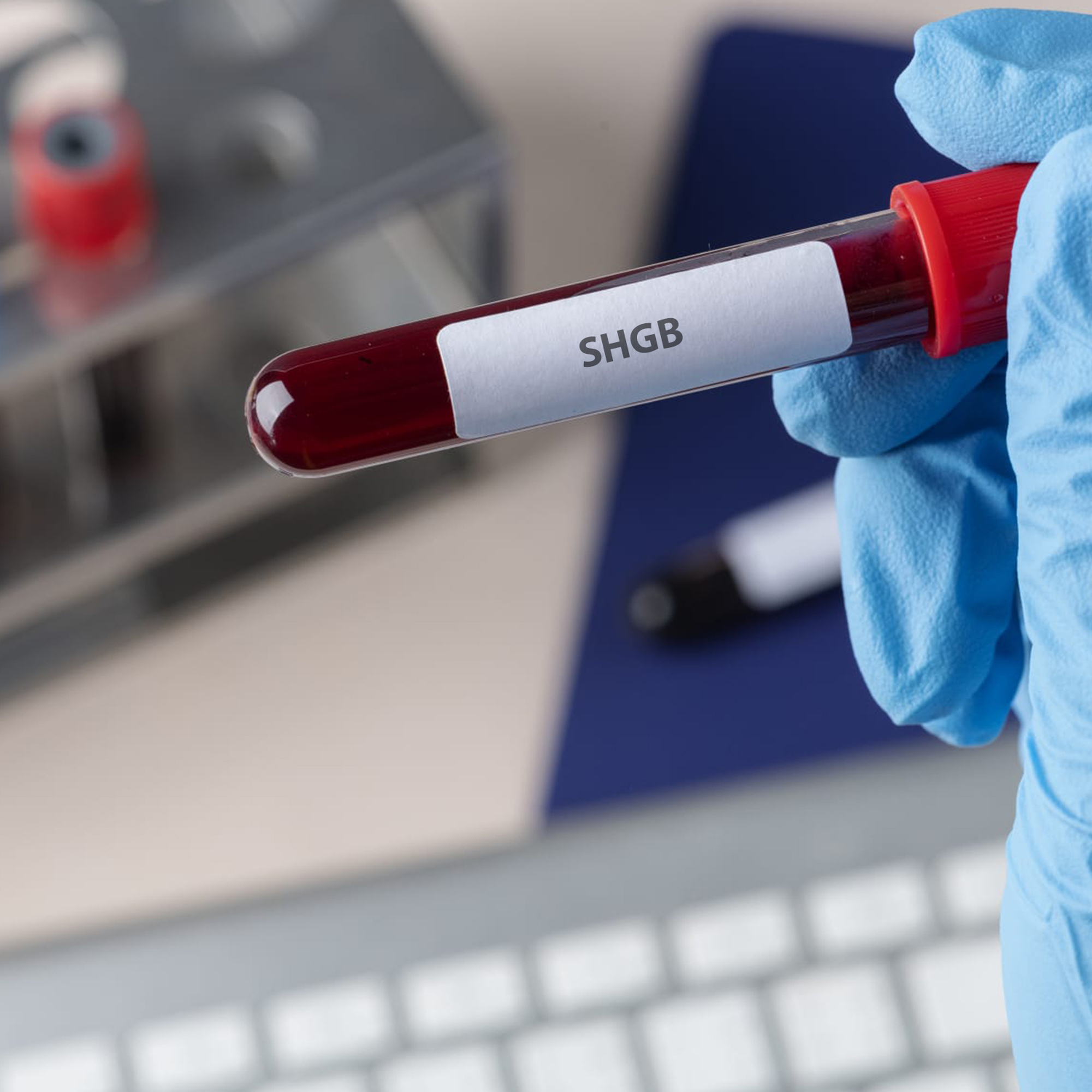
Sex Hormone Binding Globulin (SHBG)
Sex Hormone-Binding Globulin (SHBG) is a protein produced by the liver that binds to and transports sex hormones (especially testosterone and estrogen) circulating in the blood. SHBG has an important role in regulating the biological effects of sex hormones.
The main function of SHBG is to transport sex hormones and regulate their delivery from the circulatory system to the cells. This protein binds hormones such as testosterone and estrogen, keeping free hormone levels in check. Hormones that bind to SHBG lose their ability to reach cells, which regulates the cellular effects of the hormones.
SHBG levels are an important biomarker for understanding hormone balance in the body and assessing hormonal disorders. For example, low SHBG levels can lead to increased free levels of hormones, resulting in certain health conditions or symptoms. High SHBG levels can reduce the delivery of hormones to cells and therefore lead to a decrease in hormonal effects.
The role of SHBG is especially important in terms of the health of hormonal balance and the effects of sex hormones. Therefore, evaluation of SHBG levels is used as an important parameter in understanding the hormonal status and evaluating various clinical conditions.
What is SHBG Test?
The SHBG (Sex Hormone-Binding Globulin) test is a medical test that measures Sex Hormone Binding Globulin levels in the blood. This test is done to determine the amount of SHBG protein in the bloodstream. SHBG levels are a protein that regulates the transport of sex hormones and controls hormonal balance. Test results can help evaluate hormonal balance and understand various health conditions.
In Which Situations Is SHBG Test Requested?
1. Evaluation of Hormonal Balance:
SHBG levels are a valuable indicator for understanding hormonal balance. This test measures a protein that regulates the transport of sex hormones and controls hormonal balance.
2. Sexual Dysfunctions:
SHBG testing can be used to evaluate low sexual desire, erectile dysfunction, or other sexual dysfunctions. Hormonal imbalance can lead to changes in sexual functions.
3. Monitoring Polycystic Ovary Syndrome (PCOS):
It may help manage hormonal imbalances such as polycystic ovary syndrome in women.
4. Infertility Evaluation:
SHBG levels may be a factor in understanding the causes of infertility. Hormonal imbalance can affect reproductive ability.
5. Monitoring Hormonal Disorders:
SHBG testing can help monitor hormonal disorders or hormone levels during hormonal therapy.
What is the Importance of SHBG Test in Men?
The SHBG (Sex Hormone Binding Globulin) test is used to evaluate hormonal balance in men and has several important roles:
1. Monitoring Hormonal Balance:
SHBG levels help understand hormonal balance in men. It affects hormonal balance by regulating the circulation and availability of important sex hormones such as testosterone in the blood.
2. Evaluation of Sexual Functions:
SHBG levels may affect the transport of hormones such as testosterone, which have an impact on sexual functions. Therefore, it can be helpful in understanding conditions such as sexual dysfunctions or lack of sexual desire.
3. Reproductive Health:
Having the right levels of hormones such as testosterone is important for sperm production and reproductive health. SHBG levels can affect the availability of these hormones and therefore have an impact on reproductive health.
4. Monitoring Hormonal Disorders:
SHBG levels can be used as an indicator in identifying and monitoring hormonal disorders. SHBG levels may be important, especially in men who have problems with testosterone levels or are taking hormone therapy.
This test is used to evaluate hormonal balance and understand hormone levels in men. However, interpretation of SHBG levels often must be considered in conjunction with factors such as the patient's symptoms, health history, and other hormone levels.
What is the Importance of SHBG Test in Women?
1. Monitoring Hormonal Balance:
SHBG is a protein that regulates circulating levels of sex hormones such as estrogen and testosterone. This test is used to understand hormonal balance in women.
2. Reproductive Health:
Hormonal imbalances are common, especially in conditions such as polycystic ovary syndrome (PCOS). SHBG levels may be important for reproductive health because they affect the availability of hormones such as estrogen and testosterone.
3. Bone Health:
SHBG transports estrogen, a hormone known to be important for maintaining bone density. Therefore, SHBG levels may have an indirect effect on bone health.
4. Sexual Health:
SHBG levels play a role in regulating hormones that affect sexual desire, libido and sexual functions. Therefore, low or high SHBG levels may be associated with sexual health problems.
SHBG testing is used to evaluate hormonal balance in women, understand reproductive health, and identify certain hormonal disorders. However, interpretation of test results often must be considered along with factors such as the patient's symptoms, health history, and other hormone levels.