

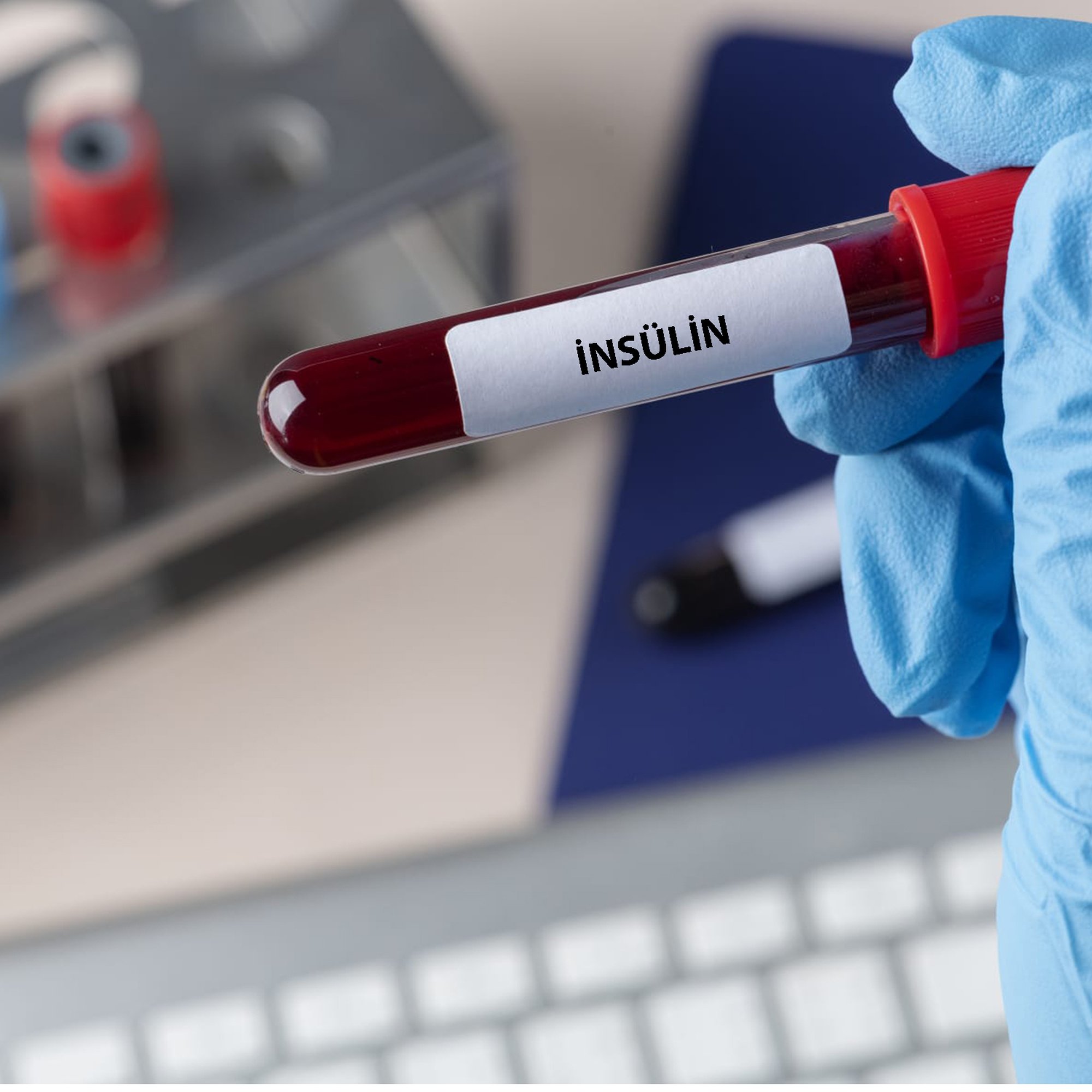
What is Insulin?
Insulin is a hormone produced by the pancreas and plays a vital role in regulating blood sugar levels in the body. It plays a key role in regulating the metabolism of carbohydrates, proteins, and fats.
The primary function of insulin is to control blood sugar levels. When carbohydrates from food are digested, they form a type of sugar called glucose. Glucose mixes into the bloodstream to provide energy to the body's cells. This is where insulin comes into play. The pancreas releases the insulin hormone into the bloodstream. This hormone is necessary for cells to take in glucose and use it as energy inside the cell.
Insulin helps regulate blood sugar levels by enabling cells to take in glucose, thus maintaining normal blood sugar levels. It also reduces and stores glucose production in the liver, helping to balance blood sugar.
In conditions like diabetes, the body cannot produce enough insulin or cannot effectively utilize insulin. In such cases, controlling blood sugar becomes difficult, leading to high blood sugar levels (hyperglycemia). Therefore, if there's insufficient production or utilization of insulin, external insulin supplementation or medication might be necessary to control blood sugar.
What is an Insulin Test?
An insulin test is a blood test aimed at measuring insulin hormone levels in the body. This test is used to determine the amount of insulin hormone in the bloodstream and assess blood sugar levels. The insulin test is typically an important test used for diagnosing, treating, and managing diabetes. It helps evaluate insulin production in the body and understand insulin resistance.
What is High Insulin Test?
Elevated insulin levels indicate an excess amount of insulin hormone in the bloodstream. This condition can be associated with situations like type 2 diabetes, insulin resistance, or excessive pancreas activity. High insulin levels can cause difficulties in regulating blood sugar and reduce the sensitivity of cells to insulin. This condition may lead to higher-than-normal blood sugar levels and long-term metabolic issues.
What is Low Insulin Test?
Low insulin levels refer to the situation where the amount of insulin in the blood is below normal. This condition usually arises when insulin production decreases or ceases, such as in type 1 diabetes. Low insulin levels may result in insufficient energy supply to body cells and lead to high blood sugar levels. This situation can cause metabolic problems and disrupt sugar metabolism.