

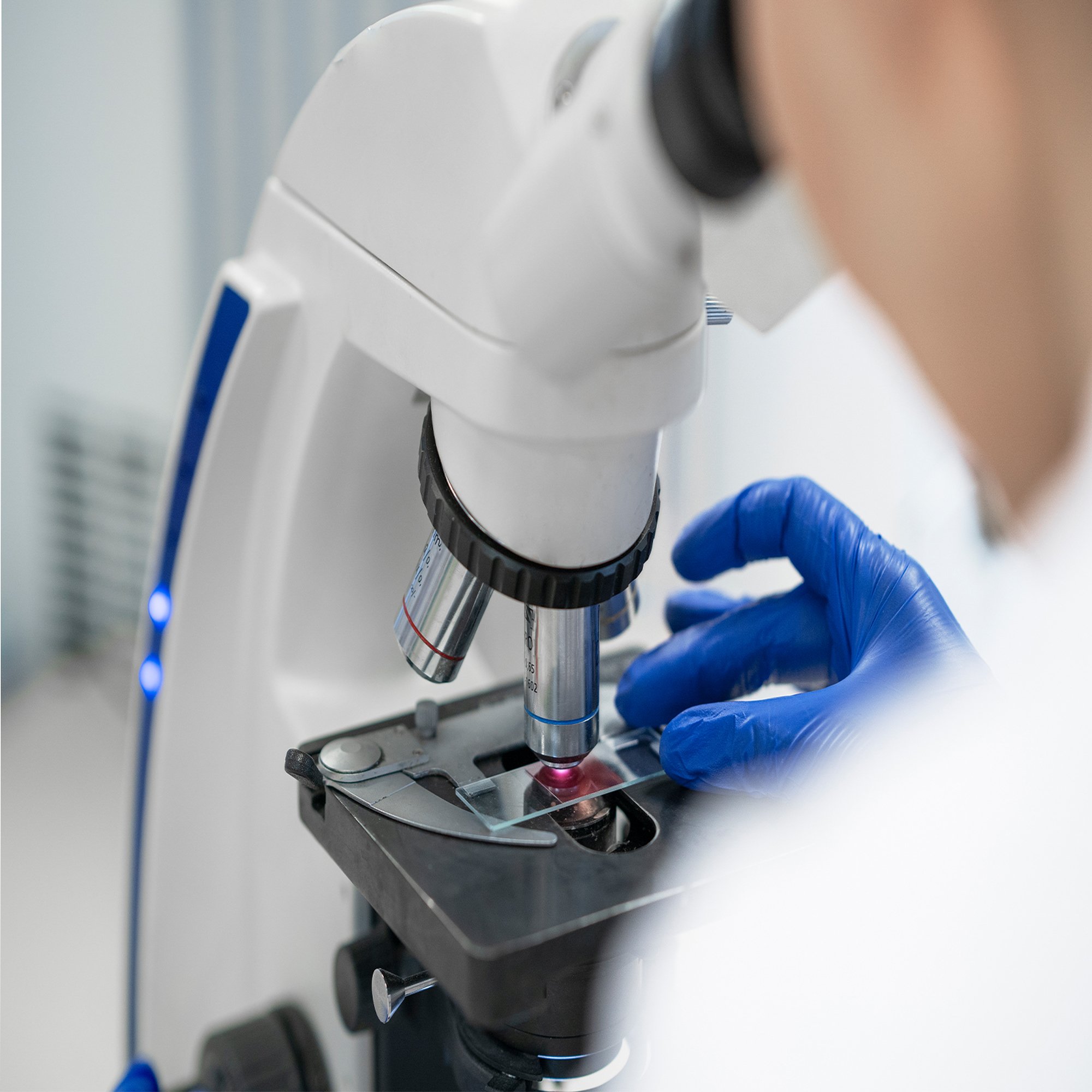
Sperm Culture
Sperm culture is a medical test conducted to detect and evaluate infections affecting the male reproductive system. This test is performed by culturing a sample of sperm in a laboratory environment.
1. Fertility Issues:
If a couple experiences difficulty in achieving pregnancy and male factors are under investigation, a sperm culture test may be performed.
2. Signs of Infection:
If there are signs of infection in males, such as burning sensation during urination, discharge, pain, or fever, doctors may suggest a sperm culture test.
3. Previous Infections:
If there is a history of past urogenital infections or previously treated sexually transmitted diseases, doctors may request this test to assess recurrence or treatment effectiveness.
4. Prior to Fertility Treatments:
To assess sperm quality and infection status for assisted reproductive techniques like in vitro fertilization (IVF) or intracytoplasmic sperm injection (ICSI).
Sperm culture is crucial in identifying infections in the male urogenital system and determining an appropriate approach for treatment. This test is used to detect bacterial infections in sperm, assisting in evaluating conditions caused by infections.
During this test, a sample of sperm is placed on a suitable culture medium in a laboratory setting to identify bacteria causing the infection. This helps in determining the type of infection and selecting suitable treatment methods.
What Is a Sperm Culture Test?
The sperm culture test is a medical examination used to detect infections affecting the male reproductive system by culturing sperm in a laboratory setting. The objective is to identify infections through culturing sperm. It may be requested in cases of infection symptoms, prior to fertility treatment, or in cases of recurring infections from the past. It serves as a significant tool for treatment and fertility management.
When Is a Sperm Culture Test Requested?
1. Fertility Issues:
When a couple experiences difficulties in conceiving, and there's suspicion of male-related reproductive problems.
2. Previous Infections:
In men with a history of previously treated sexually transmitted infections or infections related to the reproductive organs.
3. Prior to Fertility Treatments:
Before commencing assisted reproductive techniques (e.g., IVF, ICSI) to assess reproductive health and evaluate the risk of infection.
4. Symptoms:
In cases of suspected symptoms like pain, burning sensation, itching in reproductive organs, or abnormal sperm results.
5. Suspected Sexually Transmitted Disease:
When there's suspicion of contracting a sexually transmitted disease.
6. Evaluation of Previous Treatment Response:
To evaluate the effectiveness of prior treatments, particularly in cases of recurring infections.
7. Before Surgery or Medical Procedures:
To evaluate the risk of infection before a surgical intervention related to reproductive organs.
These circumstances might prompt the request for a sperm culture test; however, specific conditions and requirements may vary. The reason for requesting this test is determined based on an individual's medical history, symptoms, and evaluation by a healthcare professional.
How to Get a Sperm Culture Test?
To undergo a sperm culture test, it's necessary to visit a healthcare facility. Your doctor will determine why the test is needed and provide instructions. Usually, you'll need to schedule an appointment for this test. Before visiting the laboratory for the test, you'll be required to provide a sample of sperm. It's essential to collect a clean and sterile sperm sample in a container provided by the laboratory, following the instructions provided. After delivering the sample to the laboratory, the test will be performed by laboratory staff, and results will be evaluated by your doctor within 3-5 days.