

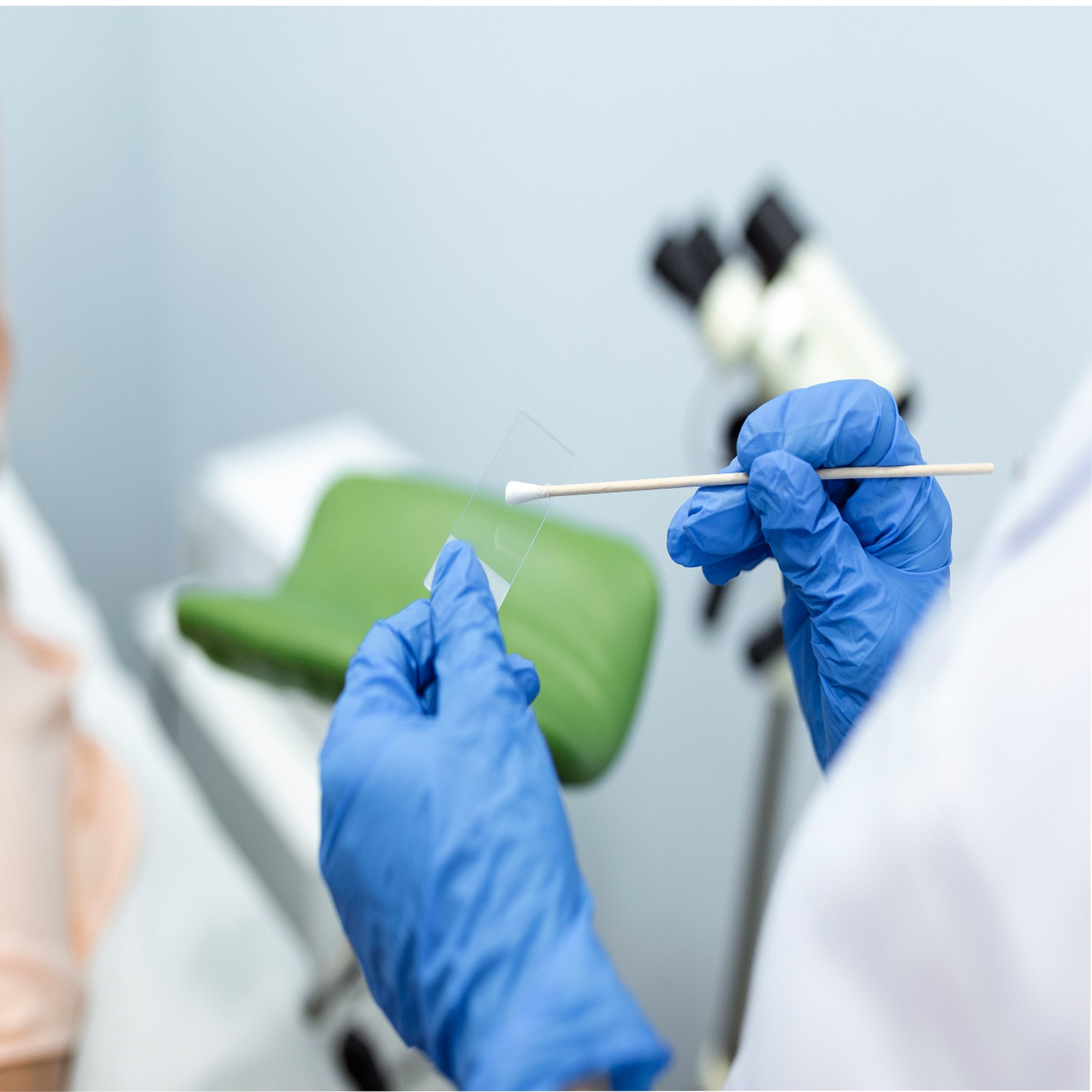
Urethral Discharge Culture
Urethral discharge culture is a test that aims to detect the presence of bacteria or other infections by examining a sample taken from the urinary tract, called the urethra, in a laboratory environment. This culture test plays an important role in the diagnosis and treatment of infections occurring in the urogenital area. Urethral discharge culture is usually performed in individuals with symptoms of urogenital infection or in individuals with sexually transmitted infections. This test is used to determine the cause of urinary tract discharge and provide appropriate treatment. It is requested by a medical specialist and the sample taken from the urethral area with a special procedure is examined in the laboratory. As a result of this test, possible infection agents and their sensitivity can be determined and appropriate treatment can be planned.
What is Urethral Stream Culture Test?
Urethral discharge culture test is a test that aims to detect the presence of bacteria or other infections by examining a sample taken from the urinary tract (urethra) in a laboratory environment. This test is an important tool in the diagnosis and treatment of infections occurring in the urogenital area.
In Which Situations Is Urethral Stream Culture Test Requested?
1. Urogenital Infection Symptoms:
If you have discharge, burning, itching, pain or other signs of infection in the urinary tract (urethra).
2. Suspicion of Sexually Transmitted Infection:
To assess the risk of infection after a change of partner or before sexual intercourse.
3. Sexually Transmitted Disease Symptoms:
In people showing symptoms of sexually transmitted diseases (for example, chlamydia, gonorrhea).
4. Infection History:
In case of a previous history of infection in the urogenital area or recurrence of sexually transmitted diseases.
5. Routine Checks:
In some cases, as part of regular routine checks for sexually transmitted infections.
This testing is an important step in detecting, treating, and preventing the spread of infection, given symptoms or risk factors. Untreated urethral infections can lead to serious health problems and complications, so early diagnosis and treatment is important.
Culture of urethral discharge is usually performed in individuals with symptoms of urogenital infection or in individuals with sexually transmitted infections. For sample collection, a sample is taken from the urethral area with a special procedure and this sample is examined in the laboratory.
Test results are used to identify possible infectious agents and to plan appropriate treatment by determining which antibiotics they are sensitive to. This test is an important step in diagnosing and treating certain infections. The results can help your doctor determine the right treatment.
How Is Urethral Discharge Transmitted?
1. Sexual Contact:
It may occur as a result of the transmission of microorganisms from one infected partner to another during sexual contact. Sexual intercourse with an infected partner may increase the risk of urethral discharge and sexually transmitted infections.
2. Personal Hygiene:
It can also be transmitted through toilets or personal care products used in unhygienic conditions.
3. Birth:
In rare cases, it can be passed from an infected mother to the baby during birth.
Urethral discharge culture test is performed to evaluate the symptoms caused by urogenital infection and to make the correct diagnosis for treatment. The test itself is not infectious, but is performed to detect the presence of infection. It is important for individuals with symptoms of infection to be careful during sexual intercourse and to consult their healthcare provider for appropriate treatment.