

Mycoplasma Hominis Culture
Mycoplasma hominis culture is a test used to determine the presence of a bacterium called Mycoplasma hominis. This test is generally conducted by examining samples taken from the urogenital area in a laboratory setting. By studying the presence and proliferation of the bacterium, a diagnosis of Mycoplasma hominis infection can be made. This bacterium can cause urogenital infections and is transmitted sexually. Test results can assist in determining appropriate treatment methods.
What is the Mycoplasma Hominis Culture Test?
The Mycoplasma hominis culture test is a medical test aimed at detecting the presence of the bacterium Mycoplasma hominis by examining samples taken from the urogenital area in a laboratory setting. This test is usually performed on individuals showing symptoms of urogenital infections or in situations suggesting sexually transmitted infections.
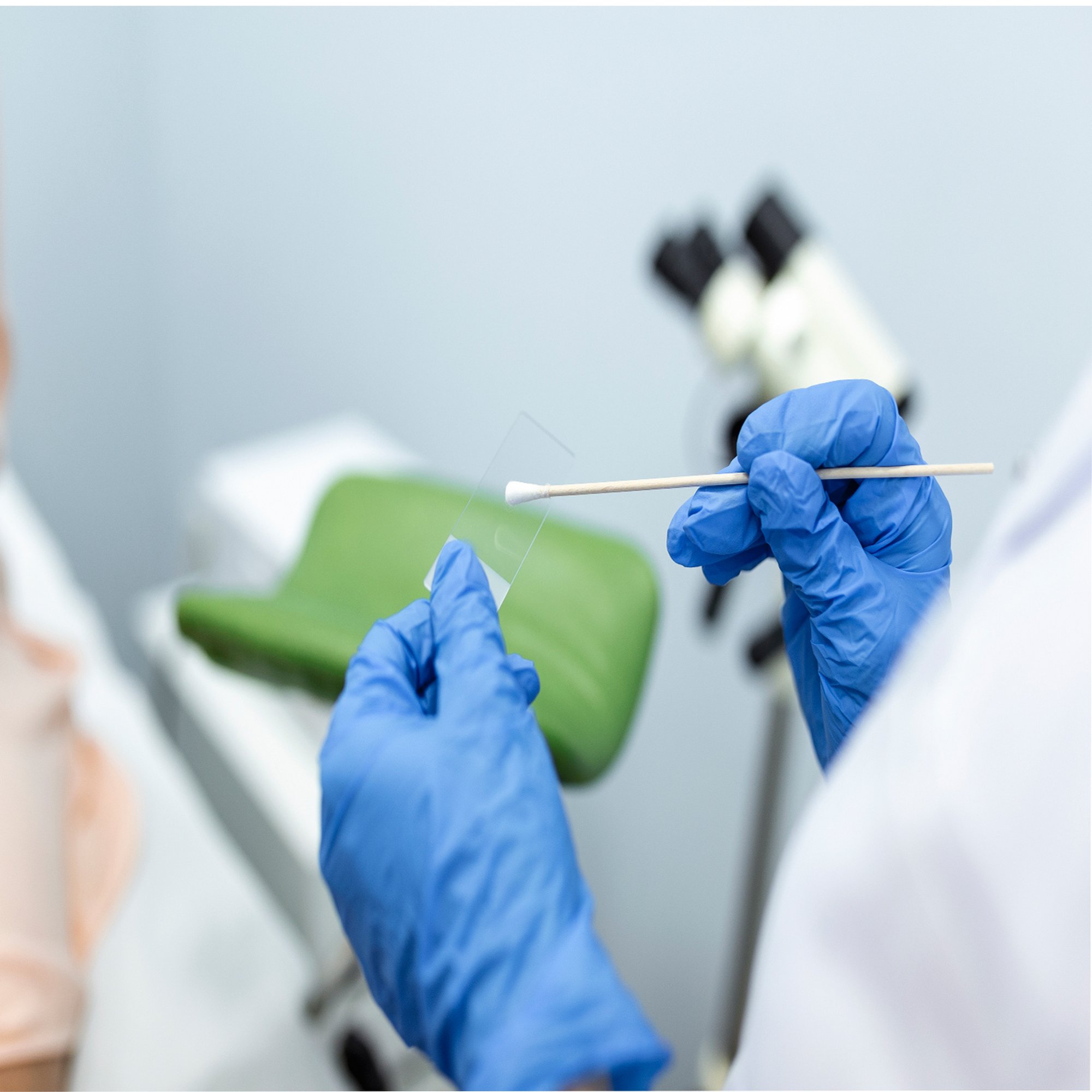
Vaginal or urethral samples are commonly used for the test. These samples are placed in a special culture medium in the laboratory to observe the presence or proliferation of the bacterium. Mycoplasma hominis is a bacterium that can cause urogenital infections, particularly associated with sexually transmitted infections.
The Mycoplasma hominis culture test can help identify the presence of this bacterium, thereby determining appropriate treatment and controlling the infection. This test is an important tool in diagnosing and treating specific infections. If left untreated, Mycoplasma hominis infections can sometimes lead to serious health problems, hence early diagnosis and treatment are crucial.
When is the Mycoplasma Hominis Culture Test Requested?
1. Symptoms of Urogenital Infections:
If there are symptoms of infection such as discharge, burning, itching, pain in the urinary tract or genital area.
2. Suspected Sexually Transmitted Infections:
Especially after a new sexual partner or before sexual intercourse to assess the risk of infection.
3. Routine Checks:
In some cases, it may be recommended during routine checks for sexually transmitted infections.
4. History of Previous Infections:
In cases where previous urogenital infections or recurring sexually transmitted infections have occurred.
5. Especially Before Childbirth:
In some cases, healthcare professionals may recommend this test before or during pregnancy.
Mycoplasma hominis culture plays a significant role in diagnosing and treating infections in the urogenital area. This test is used to identify infections particularly associated with sexually transmitted infections and can help determine appropriate treatment.
How Does Mycoplasma Hominis Spread?
1. Sexual Contact:
Occurs through the transfer of microorganisms from an infected individual to a healthy one during sexual contact. This can happen through sexual intercourse, genital contact, or transfer of vaginal fluids.
2. Transmission through Body Fluids:
Microorganisms can pass from the body fluids (e.g., semen or vaginal discharge) of an infected person to the urogenital area of a healthy partner.
3. Transmission during Birth and Pregnancy:
Rarely, it can pass from an infected mother to her baby during pregnancy or childbirth.
4. Other Modes of Transmission:
In some rare cases, infection can occur during surgical procedures or other medical interventions.
As Mycoplasma hominis is a sexually transmitted microorganism, reducing the risk of infection through preventive methods during sexual intercourse is important. Health check-ups can aid in early detection of sexually transmitted infections and reduce the risk of transmission with appropriate treatment.