

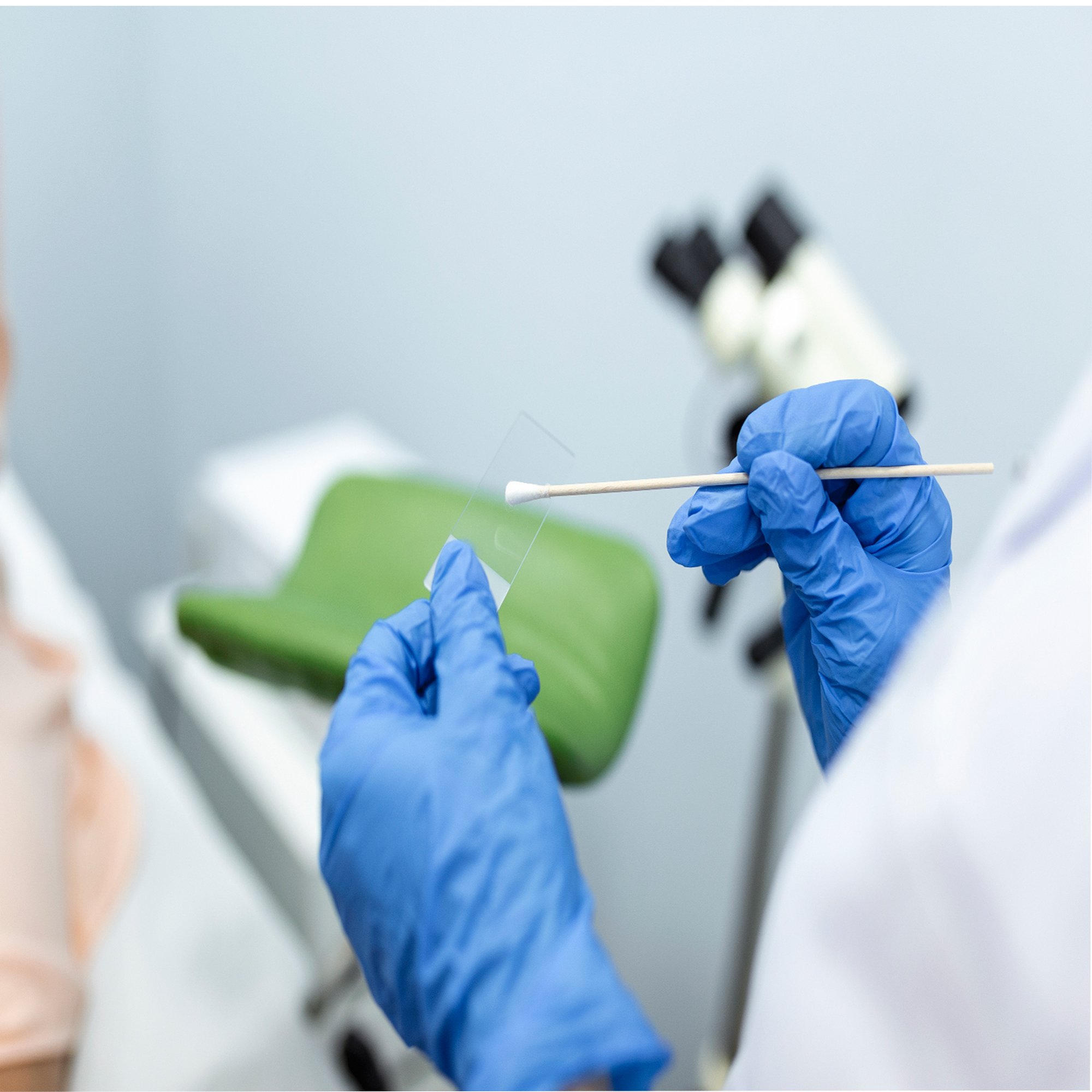
Vaginal Discharge Culture
Vaginal discharge culture is a test to determine the cause of infections by examining samples taken from the vaginal area in the laboratory. This test is performed to identify infections caused by vaginal discharge and determine appropriate treatment.
What is Vaginal Discharge Culture Test?
Vaginal discharge culture test is a test performed by examining samples taken from the vaginal area in a laboratory environment to determine the infections or bacteria that cause vaginal discharge. This test helps identify the cause of vaginal discharge and determine appropriate treatment. Samples are usually taken from the vagina and examined in a laboratory environment to identify infectious agents and provide information for the treatment process.
In Which Situations Is Vaginal Discharge Culture Test Requested?
1. Vaginal Infection Symptoms:
If there are signs of infection in the vaginal area such as discharge, itching, burning, bad smell.
2. Suspicion of Sexually Transmitted Disease (STD):
In people who show symptoms of sexually transmitted diseases or are at risk of such diseases.
3. Routine Checks:
In some cases, during routine checks for vaginal infections and sexually transmitted diseases.
4. Past Infections:
In case of a previous history of infection in the vaginal area or recurrence of sexually transmitted diseases.
5. Pregnancy Checks:
It may be recommended by doctors in some cases during pregnancy.
6. Drug Therapy Response Monitoring:
To evaluate the effectiveness of a previously started treatment.
7. Risk Assessment:
Evaluation of vaginal health status in people with risk factors.
Vaginal discharge culture testing is ordered to evaluate for specific symptoms or risk factors and is an important step in identifying the causes of vaginal infections and providing appropriate treatment. This test is used to make an accurate diagnosis and help control infections.
How is Vaginal Discharge Disease Transmitted?
1. Sexually Transmitted Infections (STI):
Some sexually transmitted infections can cause vaginal discharge and can be transmitted through sexual contact. For example, diseases such as bacterial vaginosis, trichomoniasis or fungal infections can be passed from person to person through sexual contact.
2. Personal Hygiene and Common Use:
It can be transmitted through toilets used in unhygienic conditions, towels, underwear or other personal hygiene products.
3. Birth and Transmission to Babies:
Rarely, it can be passed from an infected mother to her baby during birth.
4. Wrong Use of Antibiotics:
Improper use of antibiotics can disrupt the normal vaginal flora balance, causing yeast infections, which can be contagious.
5. Surgical Interventions or Medical Procedures:
In some cases, infections may occur during surgical procedures or medical procedures and may be contagious.