

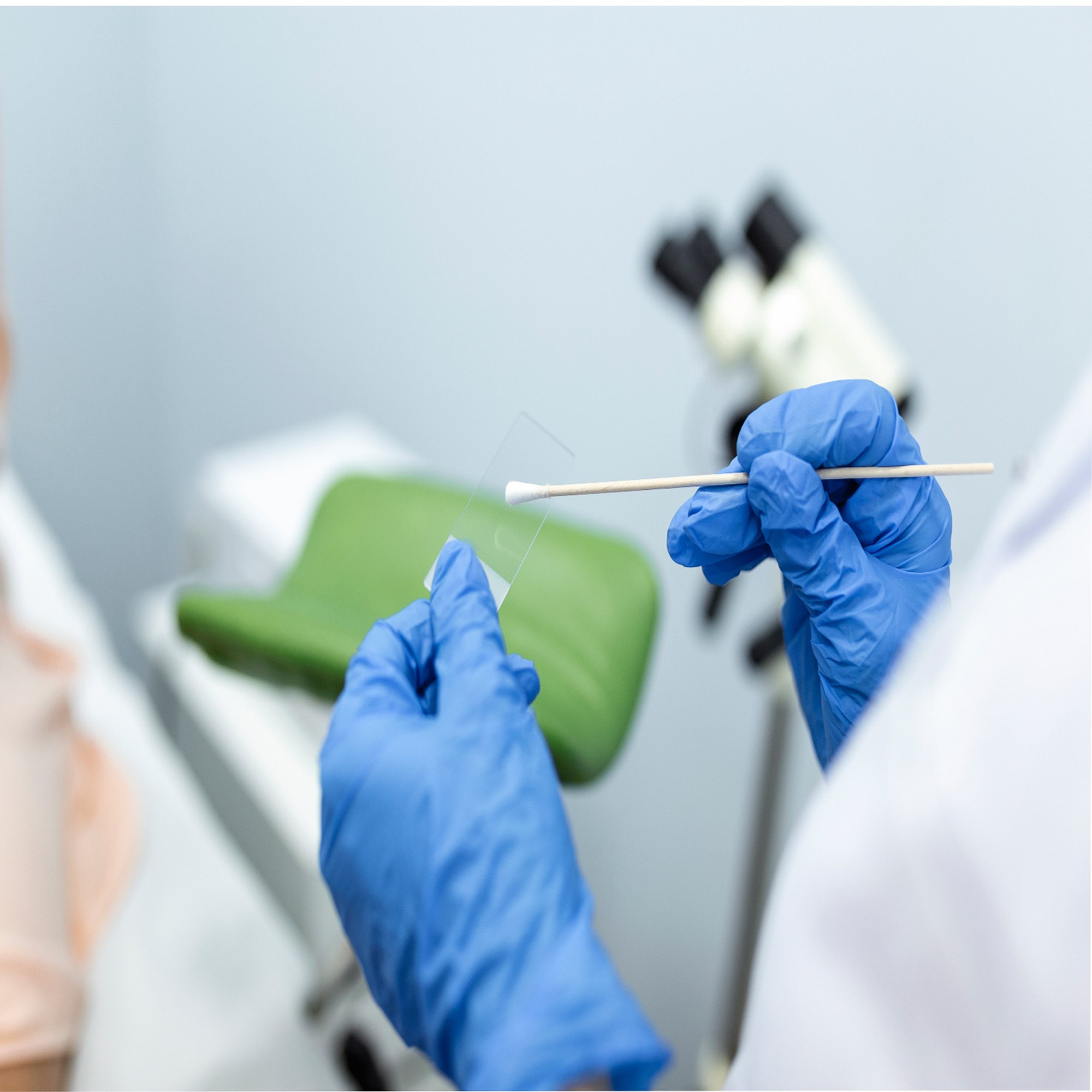
Ureaplasma Culture
Ureaplasma culture is a medical test conducted to detect and identify the presence of bacteria called ureaplasma. This test is usually performed by examining samples taken from the urogenital area in a laboratory setting. Ureaplasma is a type of bacteria that can cause infections in the urethra, vagina, or other urogenital regions. The culture test helps determine the presence and proliferation status of this bacterium, aiding in the identification of appropriate treatment methods. This test plays a significant role in diagnosing and treating ureaplasma infections.
What is Ureaplasma Culture Test?
The ureaplasma culture test is a medical test used to detect the presence of bacteria called ureaplasma and identify infections caused by this bacterium. This test is usually conducted by examining samples taken from the urogenital area in a laboratory setting.
Ureaplasma is a type of bacteria that causes infections in the human urogenital systems and can lead to conditions such as urethritis, urethral syndrome, pelvic inflammatory disease, among others. Ureaplasma infections are typically considered sexually transmitted infections.
The culture test is used to determine the presence of ureaplasma bacteria and the severity of the infection. Samples are usually taken from the urine, urethra, vagina, or cervix, among other urogenital areas. In a laboratory environment, these samples are placed in special culture media to observe the presence, growth, and characteristics of ureaplasma bacteria.
The ureaplasma culture test is an important diagnostic tool used to diagnose specific infections, determine treatment options, and help control the disease when symptoms are observed in patients.
When Is Ureaplasma Culture Test Requested?
1. Symptoms of Urogenital Infections:
Symptoms of ureaplasma infections include burning during urination, genital itching, discharge, or pain. The ureaplasma test may be requested for individuals exhibiting these symptoms.
2. Suspicion of Sexually Transmitted Disease (STD):
Especially for evaluating the risk of infection after a new sexual partner or before sexual intercourse.
3. Routine Check-ups:
In some cases, recommended during routine checks for sexually transmitted infections.
4. Previous History of Infection:
In cases where there is a history of previous ureaplasma infections or recurring sexually transmitted infections.
5. Pre-pregnancy or During Pregnancy:
Healthcare professionals may request a ureaplasma test in certain pre-pregnancy or pregnancy scenarios.
6. Monitoring Response to Drug Treatment:
To assess the effectiveness of previously initiated treatment.
7. Risk Assessment:
To evaluate the vaginal health status, particularly in individuals with specific risk factors.
Based on these circumstances, the ureaplasma culture test may be requested for individuals experiencing symptoms or at-risk individuals to identify ureaplasma infections and provide appropriate treatment. This test is an important tool in making an accurate diagnosis and helping control the infection.
How Is Ureaplasma Disease Transmitted?
1. Sexual Contact:
Ureaplasma microorganisms can be transmitted from an infected person to a healthy individual through sexual contact, including sexual intercourse or sexual contact.
2. Transmission through Body Fluids:
Ureaplasma microorganisms can pass from the infected individual's body fluids (such as semen or vaginal discharge) to the urogenital region of a healthy partner.
3. Pregnancy and Childbirth:
Rarely, it can pass from an infected mother to her baby during pregnancy or childbirth. In such cases, a baby born to an infected mother can be affected by ureaplasma.
4. Other Modes of Transmission:
In some rare cases, ureaplasma infections may occur during surgical procedures or other medical procedures.
Ureaplasma infections are among sexually transmitted diseases and can be transmitted through sexual contact as well as body fluids and specific situations like pregnancy/childbirth. Therefore, using protective methods during sexual intercourse and regular health check-ups are important to prevent sexually transmitted infections.