

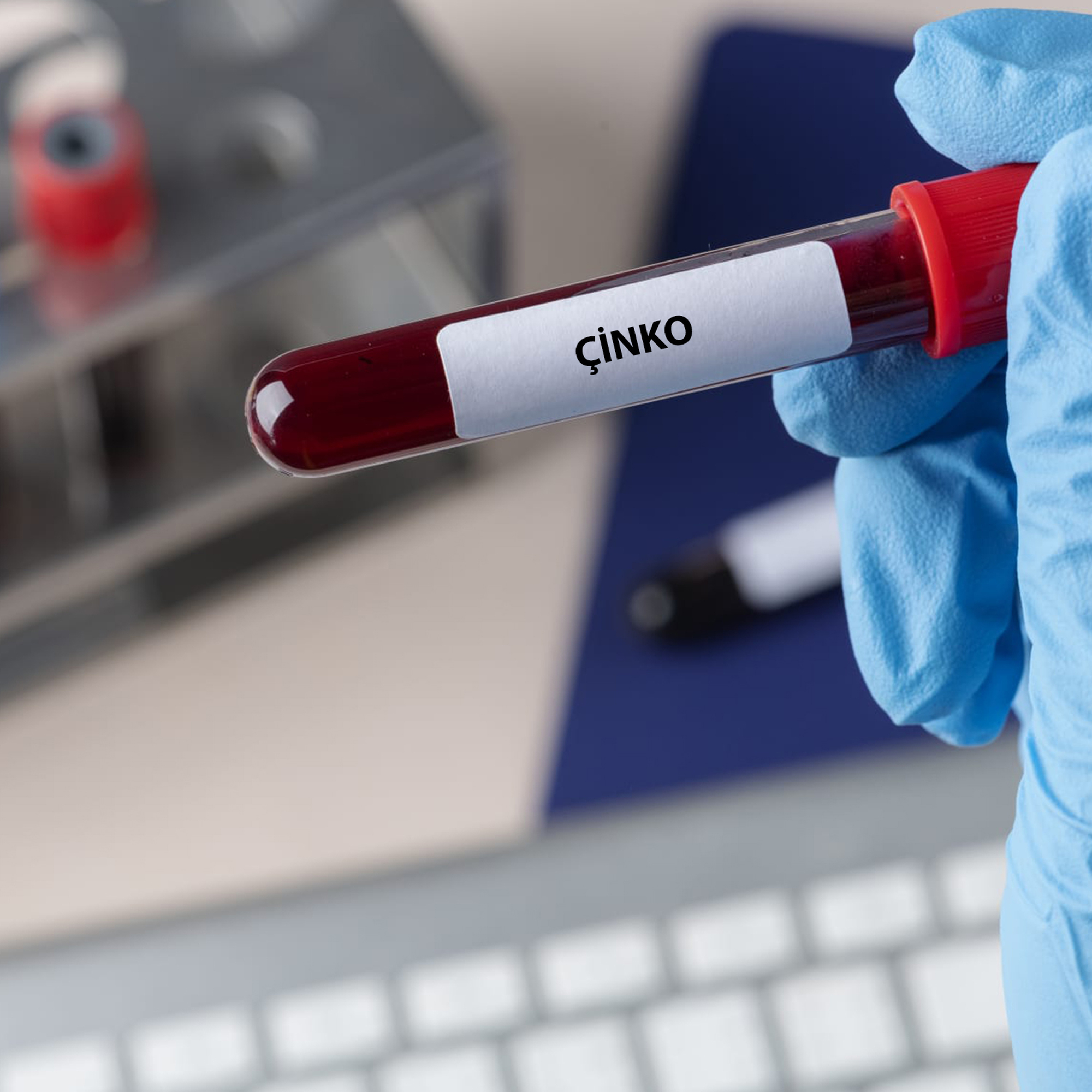
Zinc
Zinc is a vital mineral for the human body. This mineral participates in regulating many different biological functions within the body. Zinc plays an important role in regulating immune system functions, cellular growth, cell division, enzyme activities, and the synthesis of genetic material. The human body cannot naturally produce zinc, therefore it is an essential trace element that needs to be obtained through dietary sources. Zinc is often associated with strengthening the immune system and normal growth. Additionally, it plays a significant role in many biological processes such as protein synthesis, DNA synthesis, wound healing, and maintaining the sense of taste. Hence, adequate intake of zinc is crucial for maintaining a healthy function and a balanced system within the body.
What is a Zinc Test?
A zinc test is a medical test conducted to measure the zinc levels within the body. This test is usually requested to assess an individual's zinc levels, determine zinc deficiency, or detect zinc poisoning.
Zinc plays an important role in regulating many biological processes within the body. It is involved in a series of processes such as immune system functions, protein synthesis, cellular growth, wound healing, and the synthesis of genetic material. Therefore, maintaining appropriate zinc levels in the body is important.
The zinc test is conducted by examining blood or serum samples to determine zinc levels. Doctors may request this test to evaluate zinc levels in individuals displaying specific symptoms or at risk of zinc deficiency. Symptoms of zinc deficiency may include growth disorders, weakened immune system, delayed wound healing, and skin problems.
The zinc test can help in determining deficiencies or excesses by measuring an individual's zinc levels and aid in planning appropriate treatment. However, the results of the zinc test should be evaluated alongside other clinical findings and symptoms. The outcome of this test serves as an important source of information in understanding zinc metabolism and the individual's condition.
When is a Zinc Test Requested?
1. Symptoms and Signs:
Symptoms observed in individuals may be associated with zinc deficiency. These symptoms may include delayed wound healing, skin problems, hair loss, weakened immune system, growth disorders, and changes in taste sensation.
2. Malabsorption Conditions:
Conditions or diseases of the digestive system (such as Crohn's disease, celiac disease) can reduce zinc absorption. In such cases, determining zinc levels in the body is important.
3. Immune Issues:
Zinc is necessary for the proper functioning of the immune system. Zinc levels can be tested in individuals with certain immune problems.
4. Dietary Insufficiency:
In cases of imbalanced or inadequate nutrition, especially in individuals not consuming sufficient zinc-containing foods, the risk of zinc deficiency may increase. In these situations, zinc levels can be assessed.
5. Pregnancy:
The need for zinc may increase during pregnancy. Women during pregnancy may undergo tests to check zinc levels.
6. Suspected Zinc Poisoning:
Excessive intake of zinc supplements or from another source can lead to zinc poisoning. In such cases, it is important to check zinc levels.
What is Zinc Deficiency?
Zinc deficiency is the lack of sufficient zinc in the body. Zinc is necessary for performing many fundamental functions within the body. Many processes such as a healthy immune system, normal cellular function, protein and DNA synthesis, wound healing, growth, and development require zinc.
Zinc deficiency may be associated with certain symptoms:
1. Immune Issues:
Zinc deficiency can hinder the proper functioning of the immune system and reduce resistance to infections. Frequent infections can be a sign of zinc deficiency.
2. Skin Problems:
Zinc deficiency can cause issues in the skin. Among these problems are dry skin, dermatitis, skin redness, peeling, and inflammation.
3. Hair and Nail Issues:
Hair loss, brittle nails, and slow growth can be associated with zinc deficiency.
4. Growth Problems:
Especially in children, zinc deficiency can affect physical growth. Growth retardation, difficulties in gaining weight, and developmental disorders may be observed.
5. Changes in Taste and Smell:
Zinc deficiency can affect the sense of taste, causing changes or reductions in taste.
6. Reproductive Problems:
Zinc deficiency can affect reproductive health. It can be linked to low sperm quality and reduced reproductive capacity in men.
Zinc deficiency is generally associated with imbalanced or insufficient nutrition. This deficiency can sometimes occur due to digestive problems affecting the body's ability to absorb zinc or due to the use of certain medications. Zinc deficiency can be severe and lead to health problems; therefore, individuals experiencing symptoms should consult a healthcare professional and undergo necessary tests.