

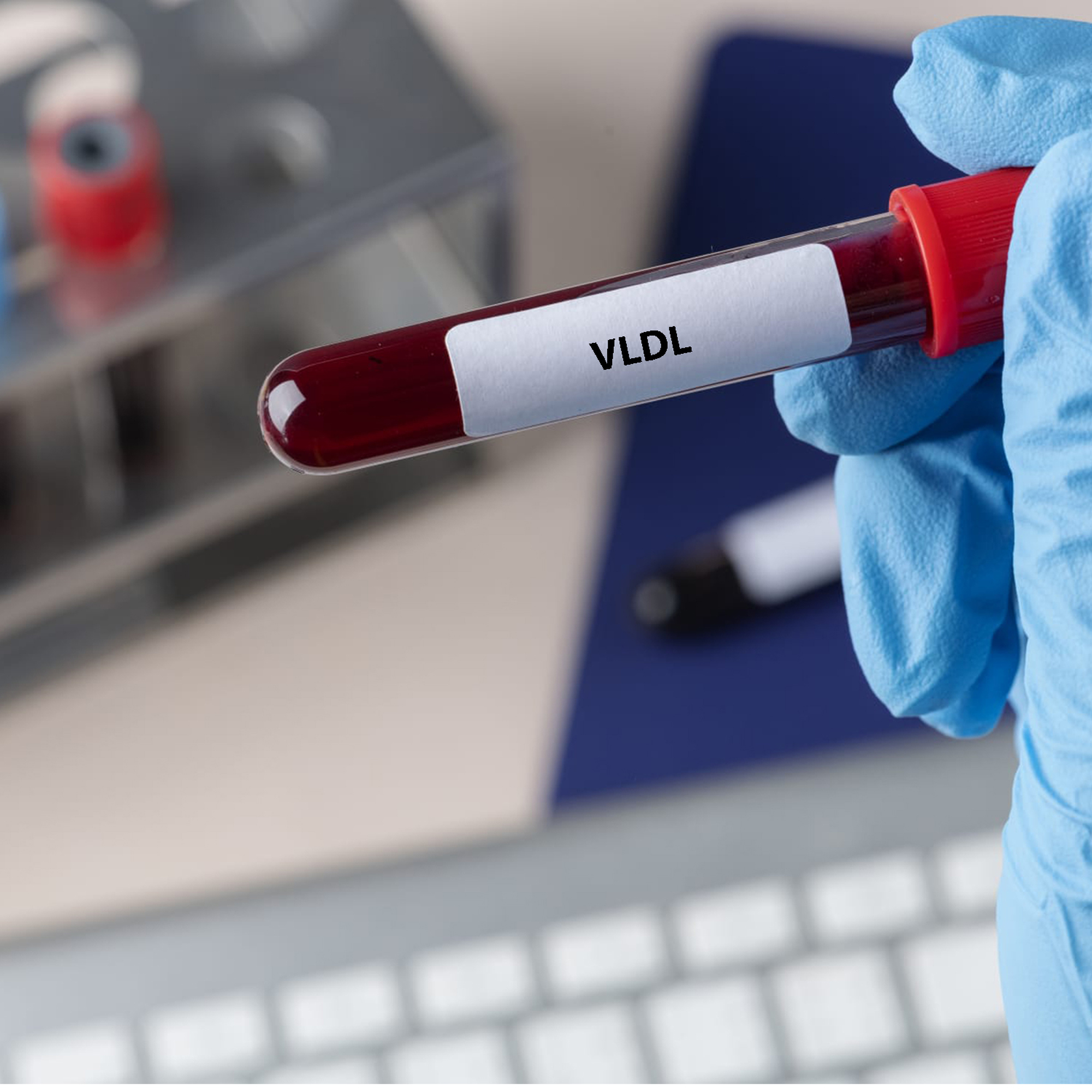
What is Vldl Test?
Vldl (Very Low-Density Lipoprotein) is a blood test conducted to measure fat levels in the blood. It is one of the cholesterol-carrying lipoproteins and shares a similar structure with LDL. Vldl is produced in the liver and transports fats in the body to storage areas.
Vldl contains high amounts of fats, including triglycerides. Elevated vldl levels in the blood have been associated with the risk of developing cardiovascular diseases. Therefore, measuring vldl levels and understanding cholesterol levels play a significant role in evaluating heart and vascular health.
Vldl test is usually performed as part of cholesterol level assessments, often alongside other lipid tests. This test is used to understand blood lipoprotein levels and assess the risk of cardiovascular diseases.
What is High Vldl Test?
High vldl test indicates higher-than-normal levels of vldl in the blood. This condition is typically associated with high triglyceride (fat) levels in the blood and may indicate certain health risks.
1. High Vldl Levels:
Elevated vldl levels are generally associated with high triglyceride levels.
High vldl levels can be linked to the following conditions:
Dietary Habits:
Consuming a diet rich in carbohydrates or fats, especially saturated and trans fats, can increase vldl levels.
1. Obesity:
An increase in body fat content can elevate vldl levels.
2. Diabetes:
Diabetes is often associated with high triglyceride levels, leading to high vldl levels.
3. Genetic Factors:
Hereditary conditions like familial hyperlipidemia can contribute to high vldl levels.
4. Health Risks:
High vldl levels are generally associated with the risk of cardiovascular diseases.
High vldl may encourage plaque formation in arteries, increasing the risk of heart attacks or strokes.
5. Treatment and Control:
Healthcare professionals recommend dietary and lifestyle changes for individuals with high vldl levels. Making healthier choices in diet, exercising, and, if necessary, using methods such as medication are important in lowering triglyceride levels. High vldl levels typically arise from a combination of several factors. It's important to consult your doctor for evaluation and management. Changes in diet and lifestyle are often effective in reducing vldl levels.
What is Vldl Test Lowering?
Vldl test lowering refers to a condition where vldl levels in the blood are lower than normal. Normally, vldl is a type of lipoprotein that transports triglycerides in the blood. When these levels are low, they may be associated with certain conditions:
1. Healthy Levels:
Normal vldl levels should be approximately between 2-30 mg/dL. Lower levels are considered low vldl.
2. Possible Causes:
Low vldl levels generally reduce the risk of cardiovascular diseases.
Healthy dietary habits are associated with low vldl levels. A diet low in fat can reduce triglyceride levels and consequently vldl levels.
Physical activity and exercise can help keep vldl levels low.
In some cases, high HDL (high-density lipoprotein) levels are associated with low vldl levels.
3. Positive Effects:
Low vldl levels typically reduce the risk of cardiovascular diseases. This is because low vldl levels are generally associated with lower triglyceride levels.
Controlling fat levels in the blood is important for maintaining heart health. In this context, low vldl levels can be a positive indicator.