

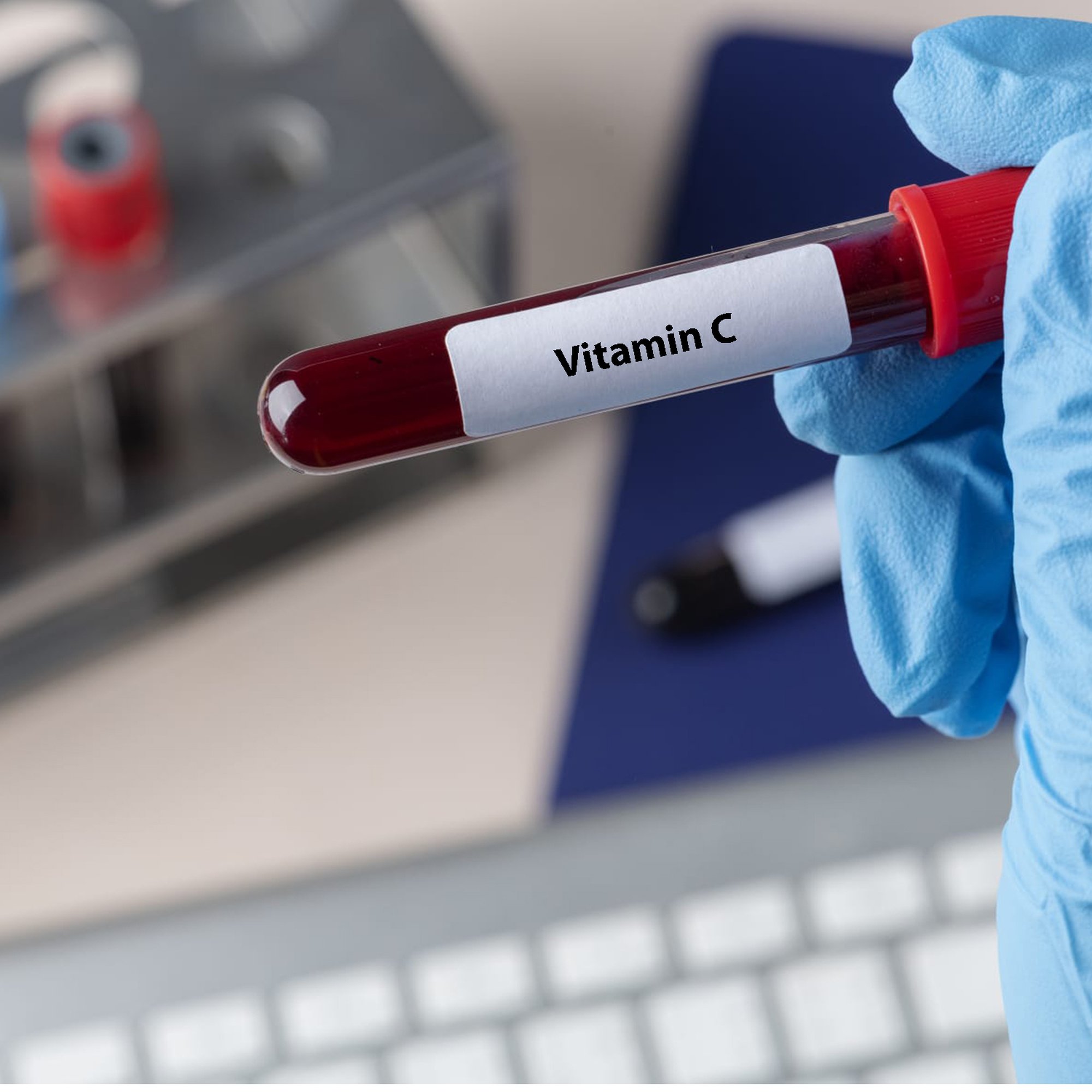
Vitamin C
Vitamin C is an essential water-soluble vitamin for the body. Scientifically known as ascorbic acid, this vitamin is vital for numerous bodily functions. It is known for its potent antioxidant properties and plays a critical role in immune system health, skin repair, iron absorption, and tissue repair. It also supports the production of collagen in the body, aiding in the protection of structures such as skin, bones, and blood vessels.
What is a Vitamin C Test?
A Vitamin C test is conducted to measure the levels of Vitamin C in the body. This test is usually used to detect Vitamin C deficiency or excess intake. By taking a blood or urine sample, this test helps determine the level of Vitamin C in the body, assisting in treatment planning. The Vitamin C test is particularly requested to monitor nutritional status, diagnose or monitor specific medical conditions.
When is a Vitamin C Test Requested?
1. Suspected Vitamin C Deficiency:
In individuals displaying symptoms of Vitamin C deficiency, especially due to inadequate nutrition or absorption issues, doctors may request the test. Symptoms may include fatigue, easy bruising, gum bleeding, skin issues, and slow-healing wounds.
2. Chronic Diseases:
Certain chronic diseases or conditions can affect Vitamin C absorption or levels. For instance, individuals with digestive issues or undergoing dialysis might require this test.
3. Supplement Requirements:
The test might be requested to monitor Vitamin C levels in individuals using Vitamin supplements or during specific treatment procedures.
4. Specific Medical Conditions:
In some cases, Vitamin C levels might be crucial for diagnosing or monitoring specific medical conditions. Especially in situations like cancer, liver diseases, or iron-deficiency anemia, Vitamin C levels could be significant.
5. Treatment Side Effects:
Vitamin C test might be required in situations where certain medications or treatments might affect Vitamin C absorption or levels.
What is Vitamin C Deficiency?
Vitamin C deficiency refers to inadequate levels of Vitamin C in the body, usually resulting from inadequate nutrition or absorption issues. Vitamin C deficiency can negatively impact several body systems. Some symptoms and effects may include:
1. Immune System Issues:
Vitamin C plays a crucial role in the immune system. In deficiency, the body might experience weakened resistance to infections and diseases.
2. Slow Wound Healing:
Vitamin C is necessary for wound healing and tissue repair. In deficiency, wound healing might slow down, leading to longer healing times for minor cuts and wounds.
3. Gum Problems:
Vitamin C deficiency can weaken and cause bleeding of the gums, potentially leading to gum diseases.
4. Muscle Weakness and Pain:
Vitamin C deficiency might cause muscle weakness and aches, reducing muscle strength and endurance.
5. Easy Bruising:
In Vitamin C deficiency, blood vessels under the skin might weaken, leading to easy bruising and discoloration.
6. Fatigue and Weakness:
Deficiency might cause feelings of tiredness and general weakness.