

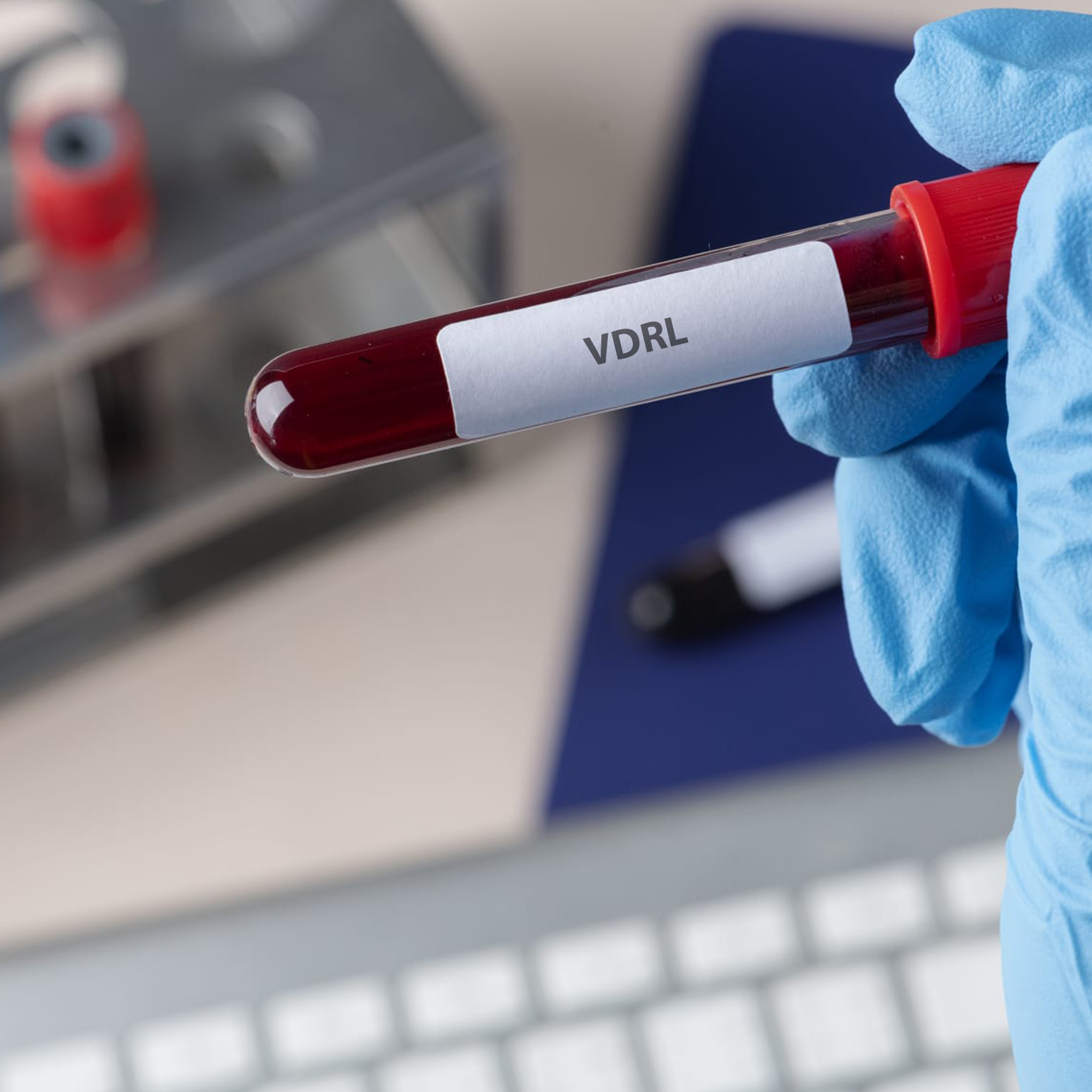
VDRL (Syphilis)
The VDRL (Venereal Disease Research Laboratory) test is a screening test used in the diagnosis of syphilis, a sexually transmitted disease caused by the bacterium Treponema pallidum. This test is conducted to detect antibodies that the body might produce against the syphilis bacterium.
The VDRL test is commonly used as a screening test to determine syphilis infection. However, a positive result does not directly indicate a syphilis diagnosis. In some cases, the VDRL test can yield false positive results due to various factors such as other infections, autoimmune diseases, or recent vaccinations.
If the VDRL test is positive, additional confirmation tests are usually performed to establish a definite diagnosis of syphilis. These tests may include Treponema pallidum particle agglutination (TP-PA) test, fluorescent treponemal antibody absorption (FTA-ABS) test, or other specific tests for syphilis. It's crucial to evaluate the results accurately and consult a healthcare professional for diagnosis.
What Is the VDRL (Syphilis) Test?
The VDRL test is a screening test used to detect syphilis, a sexually transmitted disease caused by Treponema pallidum. It measures the antibodies produced against syphilis to try to indicate the presence of the disease. However, a positive result does not directly translate to a syphilis diagnosis; additional tests may be required to confirm the diagnosis.
When Is the VDRL (Syphilis) Test Requested?
1. Suspected Syphilis:
The test may be requested for individuals showing symptoms of syphilis or suspected of having a syphilis infection. Symptoms may include ulcers on the genitals or mouth, skin rashes, fever, muscle aches, and swollen lymph nodes.
2. Screening for Sexually Transmitted Diseases:
Individuals at risk of sexually transmitted infections or in communities where these diseases are prevalent may undergo syphilis screening, and the VDRL test could be part of it.
3. Screening During Pregnancy:
Pregnant women may undergo the VDRL test as part of syphilis screening. Syphilis can transmit to the fetus and lead to serious issues if left untreated during pregnancy, so routine testing may be essential.
4. Monitoring Syphilis Treatment:
For individuals undergoing syphilis treatment, the test might be requested to monitor the effectiveness of the treatment by checking for changes in antibody levels.
5. Pre-Donation Screening:
Individuals donating blood might undergo the VDRL test to detect sexually transmitted diseases like syphilis.
What Is the Importance of the VDRL (Syphilis) Test?
The VDRL test is a screening test used in the diagnosis of syphilis, aiming to detect antibodies produced by the body against syphilis infection.
Importance of the VDRL test:
1. Early Diagnosis:
Early diagnosis and treatment of syphilis can prevent disease progression and reduce the risk of complications.
2. Treatment Monitoring:
For individuals undergoing syphilis treatment, the VDRL test can help monitor treatment effectiveness by tracking changes in antibody levels.
3. Screening During Pregnancy:
Testing pregnant women for syphilis helps reduce the risk of infection in the baby by enabling early diagnosis and treatment.
4. Public Health:
Control and prevention of sexually transmitted diseases like syphilis are crucial for public health. VDRL tests aid in preventing disease spread and understanding its prevalence in society.
What Does a Positive VDRL (Syphilis) Test Mean?
A positive VDRL test indicates the body has produced antibodies against syphilis infection. However, further evaluation with additional tests is necessary to confirm a definite syphilis diagnosis. A positive result suggests the possibility of syphilis infection, but further tests are required to establish a definitive diagnosis.