

Urea
Urea is a waste product generated in the body as a result of protein breakdown and is produced by the liver. This waste substance is transported through the bloodstream to the kidneys and excreted from the body via the urinary system. Urea is an important indicator for evaluating kidney function and monitoring the collaboration between the liver and kidneys. An increase in blood urea levels can indicate various conditions such as kidney diseases, urinary tract obstructions, liver diseases, or high protein intake. Therefore, monitoring urea levels is used to assess kidney and liver function in the body.
What is the Urea Test?
The urea test is a medical examination conducted to measure the levels of urea in the body. This test is performed using blood samples. Urea is a waste product, a nitrogenous component of ammonia produced in the liver. A portion of the nitrogen created as ammonia in the liver is converted into urea, which mixes into the bloodstream. Urea is filtered by the kidneys in the bloodstream and excreted from the body through the urinary system.
The urea test serves as a measure of kidney function and the elimination of nitrogen from the body. It is used to assess the efficiency of urea excretion by the kidneys and to determine kidney function. Additionally, it can also evaluate the normal functioning of the liver and muscles. The urea test can assist in diagnosing and monitoring conditions such as kidney diseases, liver diseases, high protein intake, urinary tract obstructions, among others.
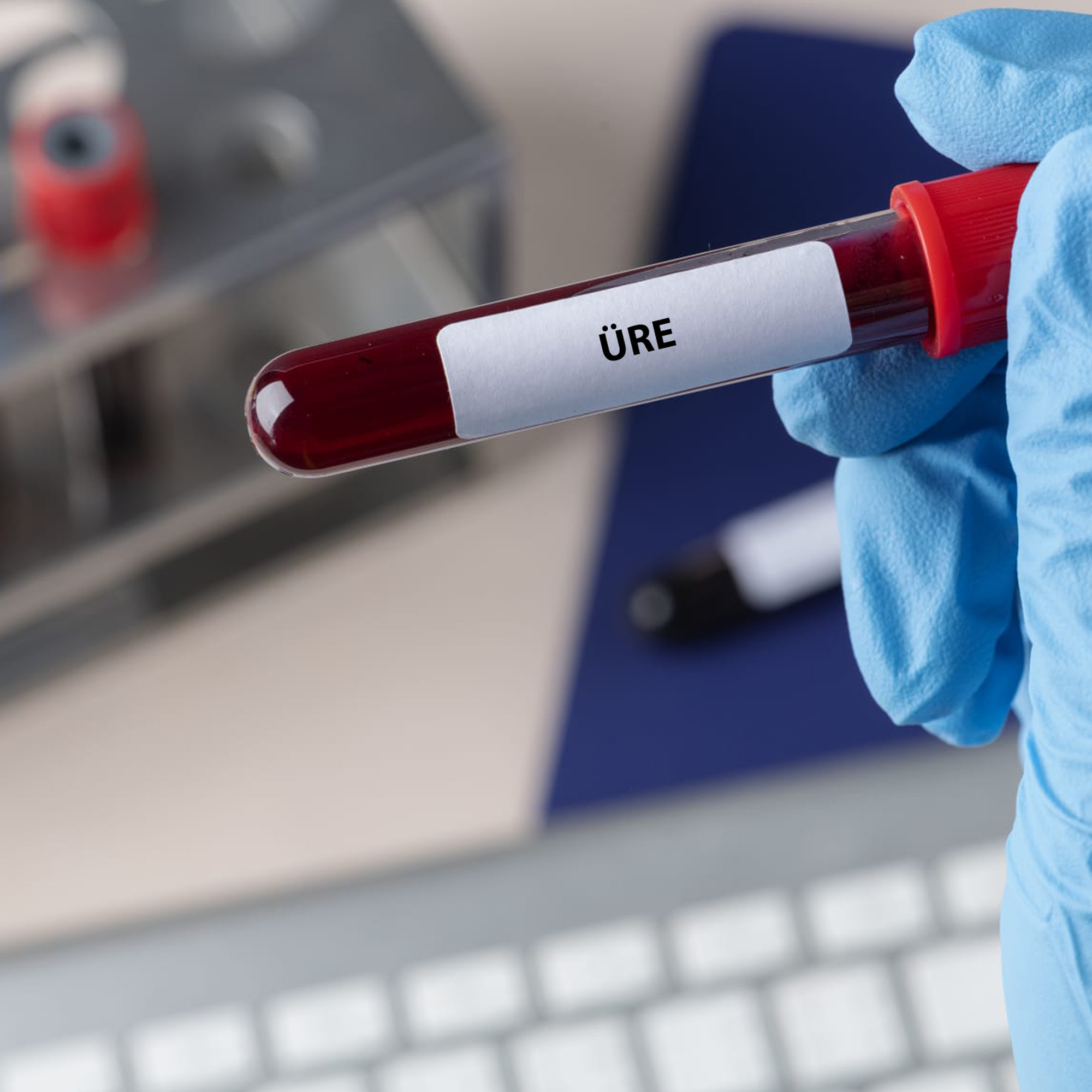
The urea test is typically conducted as a blood test. After collecting a blood sample, measurements are taken in the laboratory, and the results are evaluated. Sometimes, specific conditions such as fasting may be required for the blood sample. The test results help in evaluating the urea levels in the body and understanding kidney function.
When is the Urea Test Ordered?
1. Kidney Diseases:
The urea test is requested to evaluate kidney function. Abnormal kidney function, whether high or low, could be indicative of potential kidney issues.
2. Liver Diseases:
The urea test can be used to understand liver function. The liver plays a significant role in urea production, and this test helps assess its function.
3. High Protein Intake or Protein Deficiency:
In cases of excessive protein intake or protein deficiency, urea levels in the body can fluctuate. The urea test is useful in evaluating protein metabolism.
4. Dehydration:
During dehydration, due to decreased body fluid levels, urea levels can increase.
5. Urinary Tract Obstructions:
In cases of urinary tract obstruction, the urea test may be requested to assess normal kidney function.
6. Muscle Breakdown:
In cases of severe muscle breakdown or damage, urea levels may rise. In such instances, the urea test can serve as an indicator of muscle health.
7. Diabetes:
Diabetes affects the kidneys. Therefore, the urea test may be requested to evaluate kidney function in individuals with diabetes.
8. For Monitoring Purposes:
In some cases, the urea test might be requested to assess a person's overall health or to evaluate the effectiveness of a specific treatment regimen.
The urea test, usually conducted as a blood test, assists in evaluating kidney function, protein metabolism, and certain health conditions. However, test results should not be interpreted independently. They should be analyzed by healthcare professionals in conjunction with other tests and clinical assessments. This approach allows for accurate diagnosis based on test results and the creation of suitable treatment plans.