

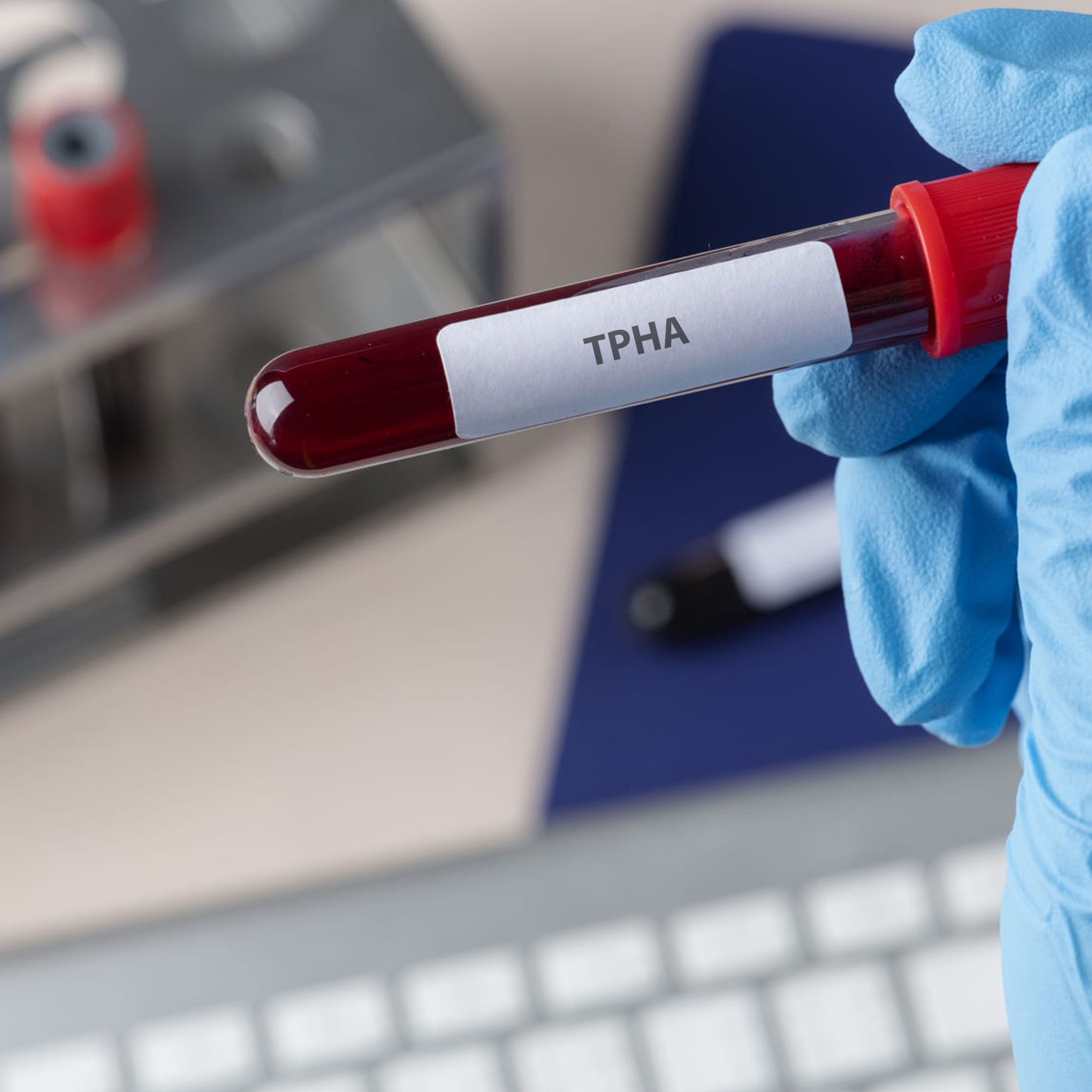
Tpha (Syphilis)
T. pallidum hemagglutination assay (TPHA) is a screening test used in the diagnosis of syphilis, a sexually transmitted disease also known as venereal disease. This test measures the antibodies produced by the body against a bacterium called Treponema pallidum.
Syphilis is a serious infectious disease caused by a bacterial infection from Treponema pallidum. The TPHA test is conducted to detect specific antibodies produced by the body against this bacterium. The TPHA test is used to diagnose or determine the presence of syphilis. A positive TPHA result may indicate the likelihood of syphilis, but it is usually evaluated along with other tests for a definitive diagnosis.
What is the Tpha (Syphilis) Test?
T. pallidum hemagglutination assay (TPHA), also known as the test for syphilis, is a screening test used in the diagnosis of syphilis, measuring specific antibodies produced by the body against Treponema pallidum. Positive results may indicate the likelihood of syphilis, but additional tests are typically needed for a conclusive diagnosis.
When is the Tpha (Syphilis) Test Requested?
1. Suspected Syphilis:
This test may be requested for individuals showing symptoms of syphilis or suspected of having a syphilis infection. Symptoms of syphilis may include genital or oral ulcers, skin rashes, fever, muscle aches, and swelling of lymph nodes.
2. Screening for Sexually Transmitted Diseases:
Individuals at risk of sexually transmitted infections may undergo syphilis screening, including the TPHA test.
3. Screening during Pregnancy:
Pregnant women may undergo the TPHA test as part of syphilis screening. Since syphilis can be transmitted to the fetus, this test is routinely conducted during pregnancy.
4. Monitoring Syphilis and Treatment Response:
Individuals undergoing syphilis treatment may have this test to monitor the effectiveness of treatment or prevent recurrence of the infection.
5. Screening before Blood Donation:
Individuals donating blood may undergo the TPHA test to detect sexually transmitted diseases such as syphilis.
This test is used for the diagnosis and monitoring of syphilis infection. However, test results should be evaluated in conjunction with other tests and usually with clinical findings. Therefore, consulting a healthcare professional for test requisition and result interpretation is important.
What is the Significance of the Tpha (Syphilis) Test?
1. Diagnosis of Syphilis:
TPHA tests are used to detect syphilis infections. Syphilis is a serious sexually transmitted disease, and early detection is important for treatment. A positive TPHA result may indicate the presence of a syphilis infection.
2. Treatment Monitoring:
TPHA tests may be used to monitor the effectiveness of treatment in individuals receiving syphilis treatment. A decrease in antibody levels after treatment may indicate successful treatment.
3. Screening during Pregnancy:
TPHA tests conducted during pregnancy can detect syphilis infection in expectant mothers. If left untreated during pregnancy, syphilis can cause serious problems for the unborn baby. Early diagnosis and treatment can reduce the baby's infection risk.
4. Public Health:
Monitoring and controlling sexually transmitted diseases like syphilis are important for public health. TPHA tests can help prevent the spread of the infection and understand the status of the infection in the community.
These tests play a significant role in the diagnosis, treatment, and monitoring of syphilis infection. Early diagnosis, appropriate treatment, and infection monitoring are crucial for both individual and public health.
What Does a Positive Tpha (Syphilis) Test Mean?
When a T. pallidum hemagglutination assay (TPHA) or syphilis test is positive, it indicates that the body has produced antibodies against syphilis (Treponema pallidum) infection. A positive TPHA result shows that an individual has produced antibodies against the Treponema pallidum bacterium and the body is attempting to fight the infection.
However, a positive TPHA test does not necessarily mean a definitive diagnosis of syphilis infection. This test indicates that the body has encountered syphilis and responded to it. For a definite diagnosis of syphilis, a positive TPHA test is usually evaluated with other tests.
Other tests used for the diagnosis of syphilis include tests directly demonstrating the syphilis infection or detecting the bacterium. The TPHA test is part of the process to determine syphilis infection and helps in making a definitive diagnosis when evaluated with other tests.
Therefore, if a TPHA test is positive, your doctor may conduct further tests and evaluations to confirm that it is a syphilis infection. A positive result indicates the possibility of syphilis, but further examinations and consultation with a specialist are essential for a definitive diagnosis and treatment.