

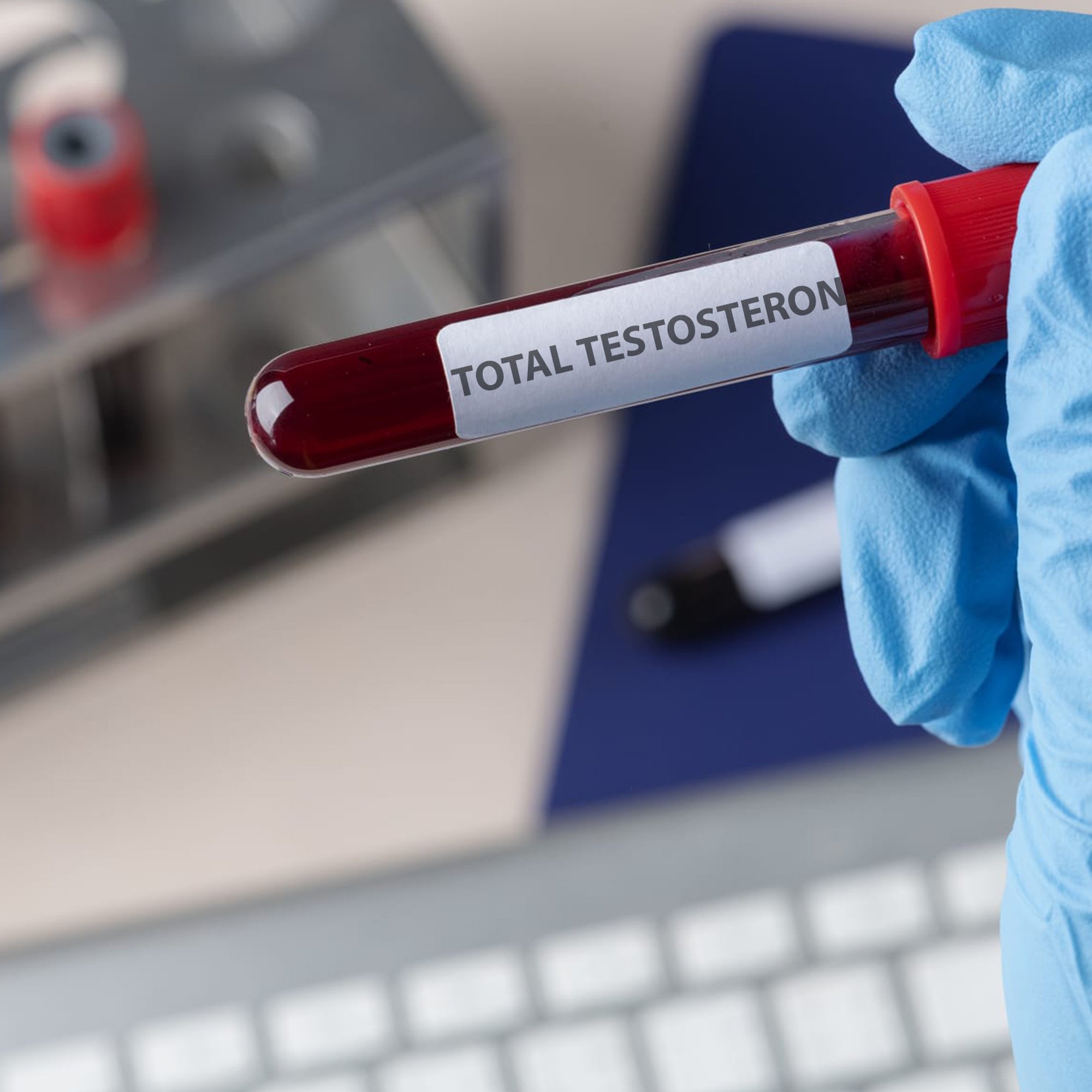
Total Testosterone
Total testosterone is a test that measures the total amount of testosterone present in the body. Testosterone is the primary sex hormone produced in the testes in males and ovaries in females. Total testosterone reflects the overall amount of testosterone circulating in the blood, binding to different carrier proteins (usually sex hormone-binding globulin - SHBG and albumin).
Total testosterone levels are important in maintaining healthy sexual function, muscle mass formation, bone density, red blood cell production, and overall male characteristics in men. In women, testosterone plays a significant role in maintaining normal functions and regulating specific biological processes.
Total testosterone levels are used in various clinical conditions to assess hormonal balance, diagnose sexual function disorders, monitor conditions like hypogonadism (inadequate testosterone secretion from the testes), polycystic ovary syndrome, among others. However, total testosterone levels should not be evaluated as a standalone diagnostic tool; they should be considered along with the patient's symptoms, clinical findings, and other test results.
What is the Total Testosterone Test?
The Total Testosterone Test is a medical test that measures the total levels of testosterone in the body. This test is performed by collecting a blood sample and aims to determine the general amount of testosterone hormone in the circulation. Testosterone is an important sex hormone that affects sexual characteristics, muscle mass formation, bone density, and various biological processes. Total testosterone levels are used to assess hormonal balance and diagnose various health conditions.
When is the Total Testosterone Test Ordered?
1. Diagnosis of Hypogonadism (Andropause):
It is used to identify low testosterone levels in men, which occurs when there is a deficiency in sexual characteristics development or sperm production.
2. Sexual Function Disorders:
It can be requested to evaluate testosterone levels associated with symptoms like low sexual desire, erectile dysfunction, among others.
3. Evaluation of Infertility:
It may be done in men to assess sperm production and reproductive capability.
4. Bone Health Issues:
Low testosterone levels may lead to decreased bone density and an increased risk of osteoporosis. It can be used to assess bone health.
5. Monitoring Metabolic Conditions:
Testosterone levels can affect body fat distribution. Low testosterone can lead to changes in fat distribution and impact metabolic health.
6. Polycystic Ovary Syndrome (PCOS):
Monitoring testosterone levels in women can assist in managing hormonal imbalances like PCOS.
This test is ordered when there's suspicion of hormonal imbalance due to symptoms or when a general assessment of hormone levels is needed. However, the interpretation of test results is generally done by a doctor based on the individual's clinical condition and symptoms.
Significance of the Total Testosterone Test in Men?
1. Sexual Functions:
Testosterone influences sexual desire (libido) in men. It also plays a crucial role in the formation and maintenance of erections.
2. Reproductive System Health:
Testosterone levels can impact sperm production and quality. Adequate testosterone levels support healthy sperm production.
3. Muscle Mass and Strength:
Testosterone can increase muscle mass formation and strength. This hormone affects the development of muscle tissue and the synthesis of muscle proteins.
4. Bone Density:
Testosterone levels are crucial for maintaining and increasing bone density. Low testosterone levels can affect bone health and increase the risk of osteoporosis.
5. Metabolic Health:
Testosterone levels can influence body fat distribution. Low levels may lead to changes in fat distribution and an increased risk of obesity.
6. Psychological and Emotional States:
Testosterone levels affect mood, energy levels, and motivation. Low levels can be associated with depression, fatigue, and low motivation.
Total testosterone generally affects men's quality of life concerning sexual health, reproductive capacity, physical performance, and overall health. However, when evaluating testosterone levels, factors like an individual's lifestyle, general health condition, and symptoms should also be taken into account. These test results should be interpreted in conjunction with the individual's clinical condition and used under a doctor's supervision for necessary treatment or guidance.
Significance of the Total Testosterone Test in Women?
1. Sexual Health:
Testosterone affects sexual desire (libido) in women. Normal testosterone levels can have a positive impact on sexual desire and satisfaction.
2. Bone Health:
Testosterone plays a crucial role in maintaining bone density and strength. Adequate testosterone levels can reduce the risk of osteoporosis.
3. Muscle Mass and Strength:
Testosterone influences muscle mass formation and strength in women. Normal levels are essential for maintaining muscle structure and strength.
4. Emotional and Mental Health:
Testosterone levels can influence women's mood, energy levels, and motivation. Normal levels can maintain emotional balance.
5. Reproductive Health:
Testosterone can affect some reproductive functions in women. Adequate testosterone levels are necessary for healthy egg production and reproductive system functions.
6. Metabolic Health:
Normal testosterone levels can have an impact on fat metabolism. Low levels of testosterone can lead to changes in body fat distribution.
While the roles and effects of testosterone in women might not be as pronounced as in men, they are important for women's health and quality of life. Testosterone levels can vary based on an individual's age, hormonal status, and overall health condition. Therefore, the evaluation and interpretation of testosterone levels should be done under a doctor's supervision and considered along with other clinical findings. Assessing testosterone levels in women can aid in understanding and managing symptoms and specific health conditions.