

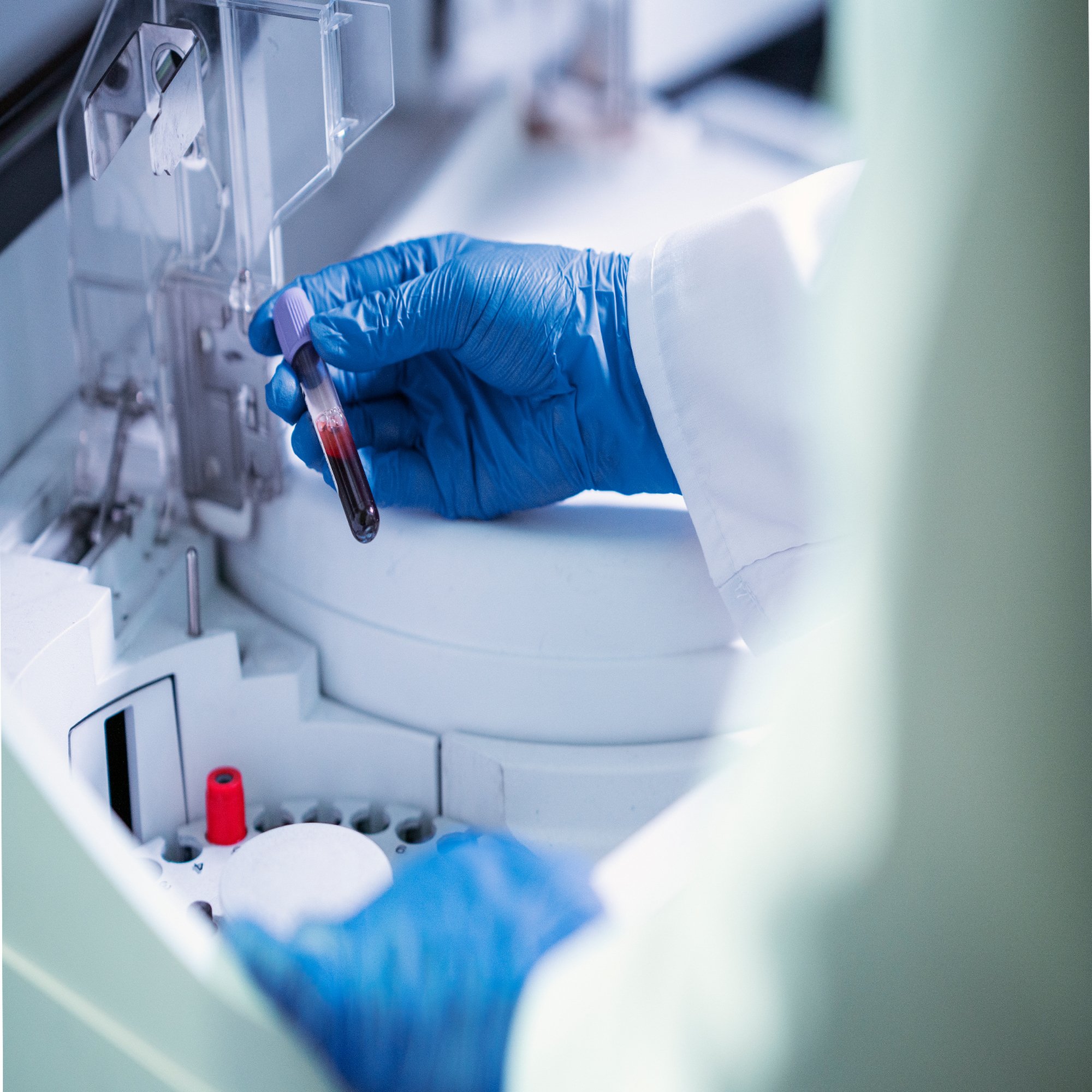
What is Glucose Tolerance Test (GTT)?
Glucose Tolerance Test (GTT) is a test related to sugar metabolism and is commonly used to diagnose diabetes or gestational diabetes (diabetes during pregnancy). This test is conducted to determine how the body processes glucose and how blood sugar levels change.
Why is Glucose Tolerance Test (GTT) performed?
Glucose Tolerance Test (GTT) is a test used to assess disorders related to sugar metabolism.
1. Diagnosis of Diabetes:
GTT can be used to diagnose diabetes or sugar disease. Blood sugar measurements are taken after fasting and then following the consumption of a specific amount of glucose-containing drink. This test can determine whether a person is normal, prediabetic, or diabetic.
2. Diagnosis of Gestational Diabetes:
During pregnancy, some women may develop a temporary type of diabetes known as gestational diabetes. GTT is used during pregnancy to identify this condition. Diagnosis of gestational diabetes is important for the health of the mother and the baby because controlling gestational diabetes may be necessary.
3. Evaluation of Hypoglycemia (Low Blood Sugar):
GTT can be used to evaluate conditions causing low blood sugar, especially in cases where hypoglycemia develops due to pancreatic tumors like insulinoma.
4. Evaluation of Metabolic Syndrome and Insulin Resistance:
In some cases, GTT can be used to assess whether a person has conditions related to sugar metabolism like metabolic syndrome or insulin resistance.
The purpose of GTT is to understand how a person's body processes blood sugar, how blood sugar responds after sugar intake, and how the body copes with sugar metabolism. However, this test is requested and interpreted by healthcare professionals based on specific symptoms, risk factors, or diagnostic guidelines. Therefore, it's crucial to evaluate the test results based on an individual's specific condition.
How is Glucose Tolerance Test (GTT) conducted?
1. Fasting blood sugar measurement:
At the beginning of the test, a person provides a blood sample on an empty stomach to determine fasting blood sugar levels.
2. Glucose loading:
The individual drinks a specific amount of a glucose-containing beverage, usually containing 50 or 75 grams of glucose. Blood samples are then taken at specific intervals to measure sugar levels. During this time, the person needs to stay in the laboratory.
3. Blood sugar measurements:
After consuming the glucose beverage, blood samples are taken at intervals (usually 1 hour, 2 hours, and sometimes 3 hours later) to measure blood sugar levels. These measurements help evaluate how the body processes glucose and how blood sugar changes over time.
4. Urine sugar measurements:
At specific intervals after drinking the glucose beverage (usually 1 hour, 2 hours, and sometimes 3 hours later), urine samples are collected at the same time as blood samples. Urine sugar levels are measured to evaluate how the body processes glucose and how blood sugar changes over time.