

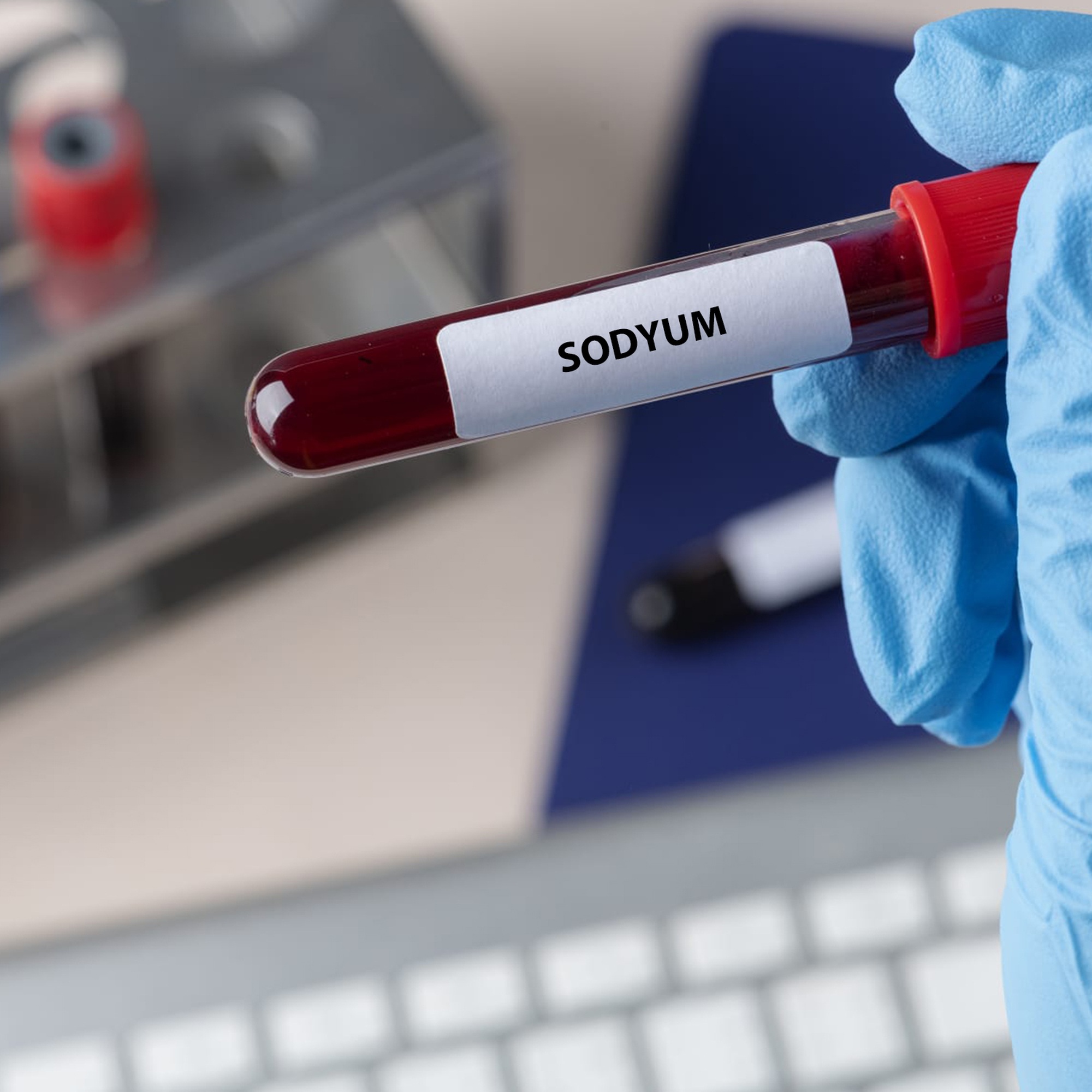
What is Sodium?
Sodium is a mineral that plays a very important role in the distribution of water in the body. Sodium helps maintain acid-base balance and is essential for muscle contraction and transmission of nerve impulses. High levels of sodium, a mineral that is very beneficial for health, also have negative consequences. Sodium is an electrolyte that maintains extracellular fluid volume and thus supports effective blood volume and blood pressure. Sodium plays an important role in the body's water balance, blood pressure regulation, and the functioning of muscle and nerve cells. Sodium is absorbed mainly through foods containing salt.
What Causes High Sodium?
It can cause high blood pressure and osteoporosis by increasing water retention and blood pressure in the body. Hypertension; It is a major risk factor for stroke, heart disease and kidney disease. Also high sodium, nausea, vomiting, convulsions, fire, ıt may cause respiratory problems.
Possible causes of high sodium (hypernatremia) include not drinking enough water or not feeling thirsty, urinating too frequently, excessive fluid loss due to illness and medication use, excessive salt consumption, and insufficient effect of antidiuretic hormone (ADH).
What Causes Low Sodium?
If the sodium level in the blood is below, it means low sodium. If the sodium level is below the reference value, it can cause serious health problems.
Sodium deficiency; It can be seen due to excessive sweating, excessive water consumption (especially in hot weather), kidney, heart, hormonal diseases and diuretic drugs used.
If the sodium deficiency in the blood is mild, the symptoms are also mild; It affects the gastrointestinal area and causes nausea and vomiting.
If sodium deficiency is moderate; Headache, tremors, muscle cramps, slow reflexes and severe drowsiness may be felt.
Hyponatremia is when the sodium level in the blood is too low. Hyponatremia can cause coma or death. Especially the elderly, those who are malnourished, those with chronic diseases such as kidney, heart, liver, respiratory failure, endocrine problems (thyroid, diabetes), and cancer are at risk of low sodium.