

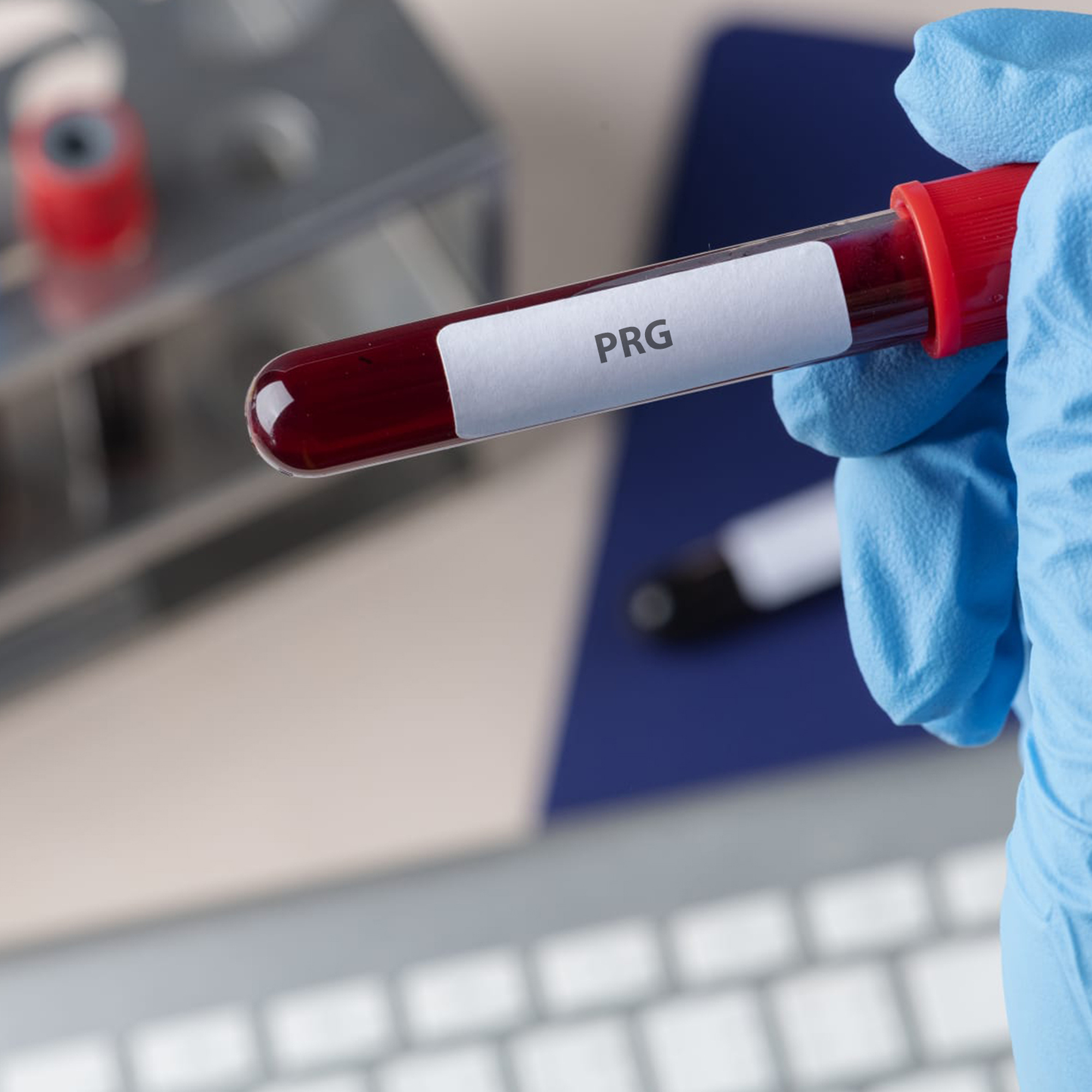
Progesterone (PRG)
Progesterone is a hormone that plays a significant role in women, especially during ovulation and the pregnancy process. It is secreted from a structure called the corpus luteum, which forms after ovulation, and continues to be produced by the placenta during pregnancy.
During pregnancy, progesterone thickens the inner lining of the uterus (endometrium), creating a suitable environment for pregnancy and supporting the implantation of the fertilized egg into the uterus. Additionally, it prevents the relaxation of the uterus muscles during pregnancy, thus preventing premature birth.
High levels of progesterone can indicate potential pregnancy or a normal cycle after ovulation. Low levels of progesterone, however, may suggest ovulation issues or an increased risk of infertility.
Progesterone also plays a vital role in regulating the menstrual cycle. It starts at low levels at the beginning of the menstrual period, increases after ovulation, and decreases again if pregnancy doesn't occur, leading to the menstrual bleeding.
Besides its role in reproductive health, progesterone may also affect bone health and overall well-being. Hormonal imbalances or certain health conditions can impact progesterone levels. In such cases, doctors usually perform tests, such as blood tests, to assess progesterone levels.
What Is the Progesterone (PRG) Test?
The Progesterone (PRG) test is a medical test conducted to measure progesterone hormone levels in the body. Typically performed by obtaining a blood sample, this test helps evaluate hormonal balance by determining the quantity of progesterone.
The progesterone test is used to monitor hormone levels supporting pregnancy, ovulation, and pregnancy-related conditions in women. It is also utilized in assessing menstrual cycle irregularities, infertility, the risk of miscarriage, and sometimes for evaluating hormonal imbalances in men.
Doctors usually request this test to examine hormonal disorders, assess the conditions of women facing difficulties in getting pregnant, or to identify potential risks during pregnancy. The results of the progesterone test can aid in understanding hormonal balance and devising appropriate treatment plans.
When Is the Progesterone (PRG) Test Required?
1. Pregnancy Situations:
Conducted to monitor progesterone levels during pregnancy, this test evaluates the levels of progesterone, which help in thickening the inner lining of the uterus (endometrium) crucial for sustaining pregnancy.
2. Ovulation Tracking:
Requested to monitor the ovulation process in women and ensure healthy ovulation.
3. Menstrual Cycle Issues:
Ordered to assess hormonal balance in women experiencing irregularities or abnormalities in their menstrual cycles.
4. Infertility Issues:
Used in couples facing fertility problems to evaluate women's hormone levels related to fertility.
5. Low-Risk Pregnancy:
Requested to monitor progesterone levels in women who have previously experienced a miscarriage or are at a low risk of miscarriage. Elevated progesterone levels can provide the necessary hormonal support for sustaining pregnancy.
6. Hormonal Evaluation in Men:
In certain situations, the test may be requested to assess hormonal balance in men.
These tests are usually requested by doctors to examine hormonal balance, monitor pregnancy, and evaluate conditions related to reproductive health. However, the decision to conduct the test in each case is determined considering the patient's symptoms and specific situation. Therefore, the reasons for the test and its interpretation are typically performed by a healthcare professional.
The Importance of the Progesterone (PRG) Test in Men?
The Progesterone (PRG) test is rarely requested for men. Typically, progesterone levels in men are low because the primary production of this hormone is more pronounced in women.
However, in some cases of hormonal imbalances or specific health issues in men, progesterone levels can be measured. For instance, rare conditions or imbalances in testosterone levels might prompt the need for a progesterone test in men. However, these scenarios are generally exceptional, and progesterone levels typically hold less clinical significance in men.
The Importance of the Progesterone (PRG) Test in Women?
1. Pregnancy:
Progesterone levels during pregnancy help in thickening the inner lining of the uterus, crucial for sustaining pregnancy. Monitoring the pregnancy process is essential to ascertain adequate progesterone levels during pregnancy.
2. Ovulation and Fertility:
Progesterone levels during the ovulation cycle assist in determining healthy ovulation and potential issues related to fertility.
3. Menstrual Cycle Issues:
Testing for progesterone may be requested to evaluate problems such as irregular menstrual cycles or low progesterone levels.
4. Low-Risk Pregnancy:
Monitoring progesterone levels in women who have previously experienced a miscarriage or are at a low risk of miscarriage ensures the necessary hormonal support for sustaining pregnancy.
5. Evaluation for Infertility:
Progesterone levels might be tested in women experiencing fertility issues to assess hormonal balance and identify problems related to fertility.
This test is crucial for evaluating hormonal balance in women, understanding conditions related to reproductive health, and monitoring the pregnancy process. However, interpreting the results of the test is generally done by a healthcare professional, taking into account the individual's specific.