

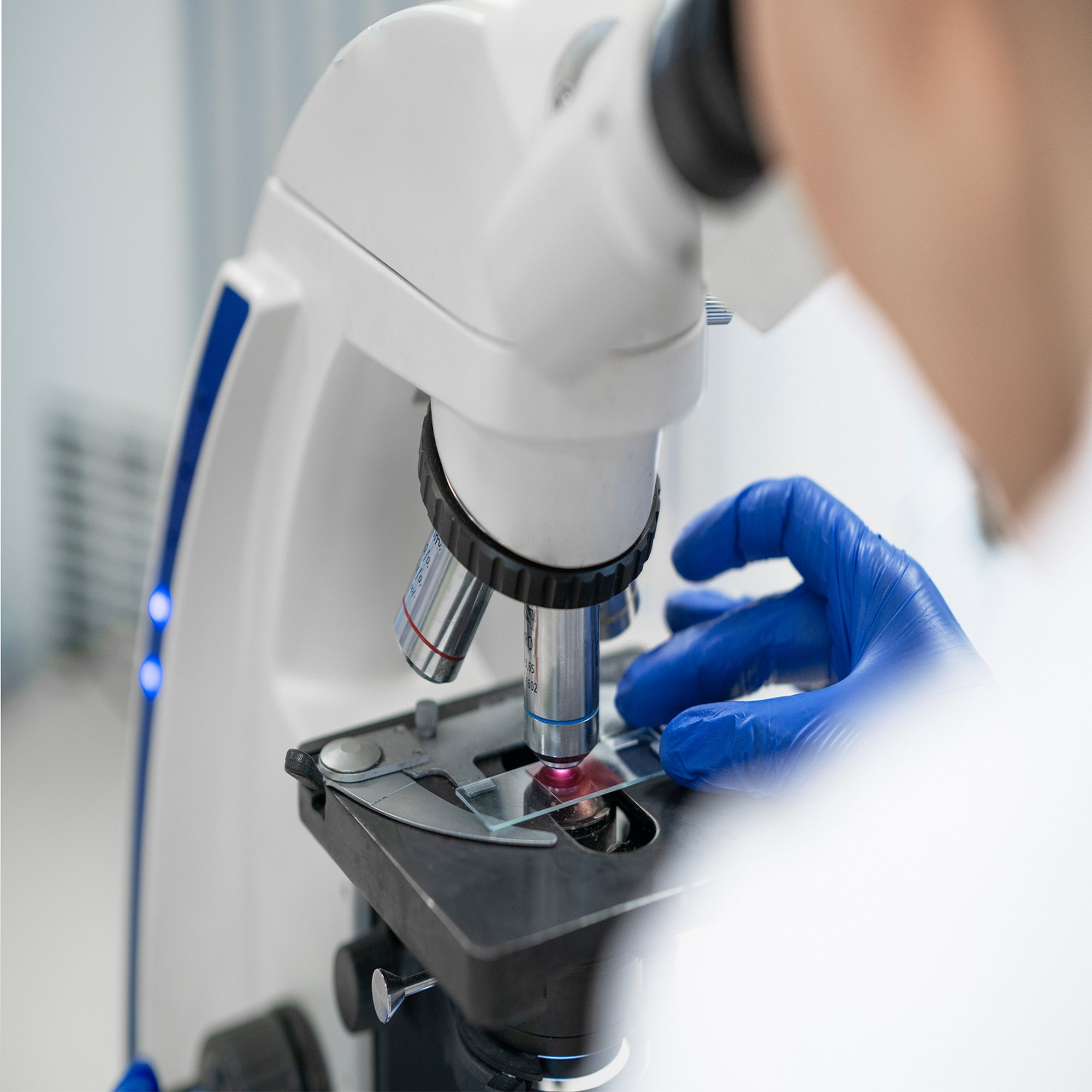
Pathology Tests
Pathology tests are various medical tests used to diagnose a disease, determine the type and severity of the disease, or monitor the treatment process. Pathology is a branch of medicine that studies the causes, nature, and effects of diseases. Pathology tests typically help detect diseased tissues or signs of illness by conducting laboratory examinations on samples taken from the body.
Pathology tests can come in various types:
1. Biopsy:
This test involves taking a sample from the body for microscopic examination. For example, tissue biopsy can be used in diagnosing cancer or other diseases.
2. Cytology Tests:
These involve examining cells under a microscope. Tests like smear tests can be used for cancer screening or identifying infections.
Pathology tests are important for diagnosing diseases, monitoring them, and guiding the treatment process. These tests assist doctors in identifying diseases and formulating treatment plans. They can also be used to monitor progress during treatment and evaluate the course of the disease. It's important to note that each test provides different information depending on the type and severity of the disease. The results of these tests are usually interpreted by a specialist pathologist or doctor, guiding the treatment process.
When Are Pathology Tests Requested?
Pathology tests may be requested in various situations to diagnose, monitor, or guide the treatment of diseases. Here are some instances where pathology tests are requested:
1. For Diagnostic Purposes:
Pathology tests may be requested when there is suspicion of an illness, symptoms are unclear, or to confirm the type of disease. For instance, a biopsy may be performed to examine an abnormal tissue area or a suspected cancerous mass.
2. To Guide Treatment:
Pathology tests can help determine the type and characteristics of the disease, aiding in selecting the most suitable treatment options. For instance, the identification of cancer types and evaluating which treatment method may be more effective is crucial in pathology tests.
3. Monitoring Disease Progression:
In some cases, pathology tests may be repeated to evaluate the course of the disease during treatment. These tests can be used to assess the effectiveness of treatment and make adjustments when necessary.
4. Routine Check-ups:
Some pathology tests may be requested as part of routine health checks to detect diseases in their early stages. For example, cancer screening tests or regular blood tests may be conducted.
5. Assessing Organ Functions:
There are pathology tests aimed at assessing the functions of organs like the liver, kidneys, or other organs. These tests provide information about the health and functionality of the organs.
Pathology tests are requested based on the type of disease, the patient's symptoms, history, and the doctor's evaluation. They are important for early disease diagnosis, determining treatment plans, and monitoring treatment. The results are generally interpreted by a specialist pathologist or doctor, guiding the treatment process.
What Are the Sample Specimens for Pathology Tests?
Samples obtained for pathology tests are subjected to laboratory examinations to diagnose or monitor the disease. Here is a detailed explanation of the various sample specimens used for different pathology tests:
1. Biopsy Sample:
This is the most common sample type in pathology. A doctor may perform a biopsy on abnormal tissue or a mass. The procedure is usually conducted under local anesthesia. There are different types of biopsies:
Fine Needle Aspiration (FNA):
Obtaining fluid or cell samples with a needle.
Needle Biopsy:
Using a needle to obtain a tissue sample.
Surgical Biopsy:
Taking a piece of tissue through a small surgical procedure.
2. Tissue Sample:
Samples obtained from organ or tissue biopsies, surgical interventions, or fine needle aspirations. These samples are used for microscopic examinations in diagnosing cancer or other pathological conditions.
3. Fluid Samples:
Body fluids like pleural (chest), peritoneal (abdominal), or cerebrospinal fluid can be used for some pathology tests. These samples are examined to evaluate cancer metastasis, infections, or other diseases.
4. Cytological Samples:
Cell samples obtained through procedures like a smear test. These tests are used for cancer screening or diagnosing infections.
Each sample type is prepared and examined using specific laboratory techniques for a particular pathology test. Samples are examined under a microscope, subjected to chemical tests, or analyzed using specialized machines. Pathologists or specialist doctors evaluate the results of these samples, playing a significant role in diagnosing the disease or determining the treatment plan.
The Importance of Pathology Tests in Cancer?
1. Diagnostic Role:
Pathology tests are crucial in diagnosing cancer. Tissue or cell samples obtained through biopsies are examined by pathologists to determine the presence and type of cancer. Essential information such as the type of cancer, its aggressiveness, and areas of spread are obtained through pathological examination.
2. Determining the Treatment Plan:
Pathology tests aid in determining the most suitable treatment options by identifying the cellular structure and characteristics of cancer. Evaluating specific characteristics of cancer cells helps in assessing different treatment methods such as chemotherapy, radiotherapy, surgical intervention, or targeted therapies.
3. Assessing Disease Progression:
During the treatment process, pathology tests are used to monitor how cancer cells respond. Factors like the effectiveness of treatment, growth, spread, or regression of cancer cells are evaluated through regular pathological examinations. This allows for adjustments to the treatment plan when necessary.
4. Detecting Metastasis:
Pathology tests play a crucial role in determining the spread of cancer. Metastasis refers to the spread of cancer from its primary site to different areas of the body. Biopsies or other pathology tests help assess the potential of cancer to metastasize, aiding in adjustments to the treatment plan.
5. Prognosis Determination:
Pathology tests are also used to understand the prognosis of cancer. Characteristics such as the aggressiveness of cancer cells, growth rate, tendency to spread, provide essential information about how a patient responds to treatment and the course of the disease.
In conclusion, pathology tests play a significant role in various aspects ranging from cancer diagnosis to treatment monitoring. These tests assist in personalizing the treatment process and determining strategies in combating cancer.