

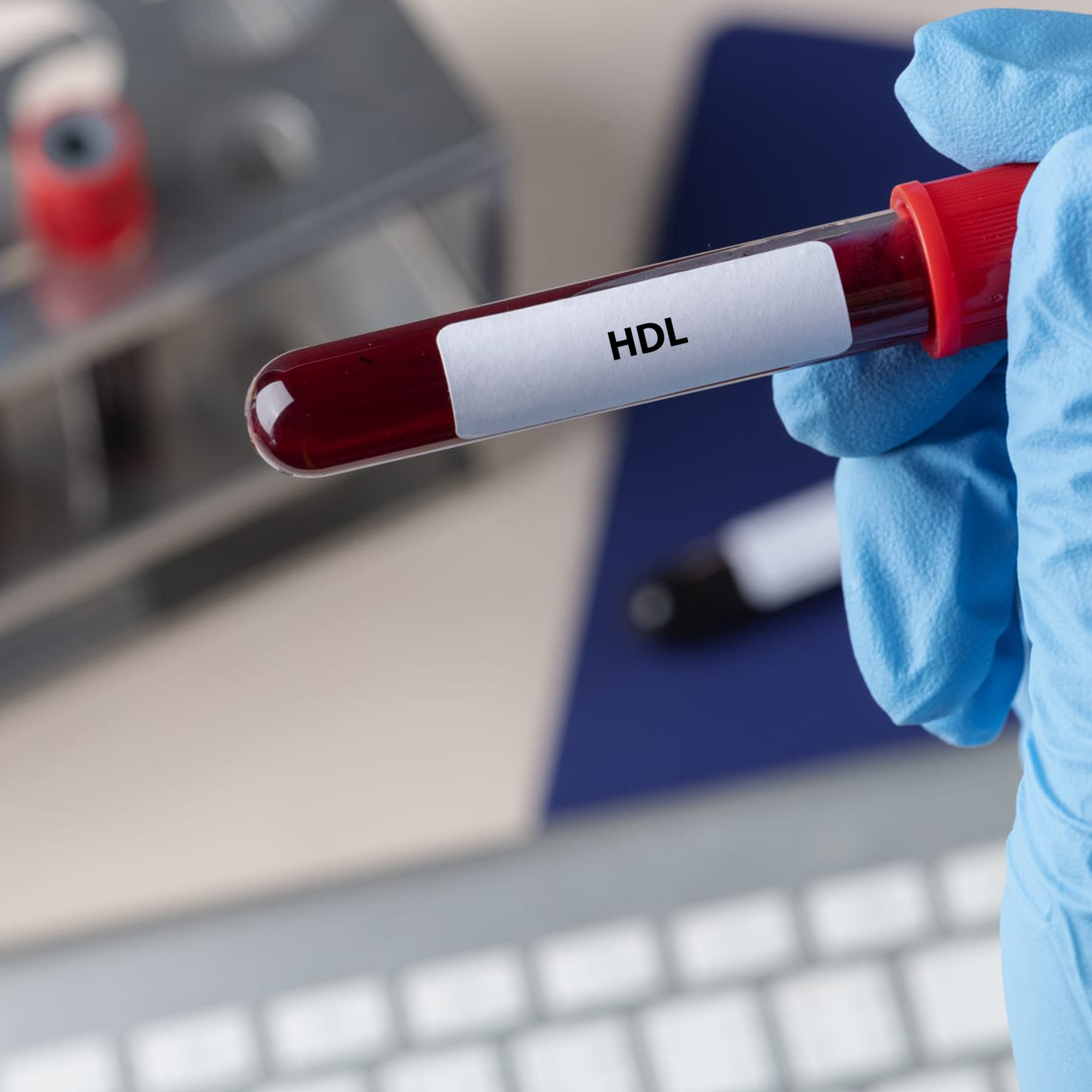
HDL
HDL, or high density lipoprotein, is a type of lipoprotein that carries cholesterol. HDL plays an important role in transporting and balancing cholesterol in the body. HDL, known as "good cholesterol," can protect the health of blood vessels while transporting cholesterol from the blood back to cells. The level of HDL in the blood is often inversely related to the risk of heart disease; That is, the higher the HDL level, the lower the risk of heart disease. Therefore, high HDL generally indicates a positive situation for heart health.
What is HDL Test?
HDL test is a blood test to measure high-density lipoprotein (HDL) levels. This test provides information about a person's cholesterol profile by determining HDL levels in the blood. HDL is a type of lipoprotein often called "good cholesterol" and plays an important role in cholesterol transport processes in the body. Measuring HDL levels can help assess heart disease risk and take preventative or therapeutic steps accordingly. This test usually involves taking a blood sample and analyzing it in a laboratory.
How to Take an HDL Test?
1. Blood Sample Collection Process:
It is usually done in a laboratory environment or a place determined by the healthcare institution. The nurse or healthcare provider takes a small sample of blood from a vein in the arm, usually through a needle.
2. Fasting Condition During Sample Collection:
In some cases, fasting may be necessary for HDL testing. Your healthcare provider will inform you in advance under what conditions the test will be taken. A fasting state can help the test give the most accurate results.
3. Laboratory Analysis:
The blood sample taken is sent to the laboratory and HDL levels are determined. Specialists in the laboratory examine the blood sample and measure HDL levels.
What is HDL Test Height?
An elevated HDL test is when high-density lipoprotein (HDL) cholesterol levels are above a certain limit, which is generally considered a positive sign for heart health. This may reduce cholesterol buildup and lower the risk of heart disease. However, although high HDL levels are not a sole evaluation criterion, they should be evaluated together with other cholesterol levels and general health status.
What is Low HDL Test?
Low HDL test is generally measured as low-density lipoprotein (HDL) cholesterol levels below a certain limit, which can pose a risk for heart health. Low HDL levels can increase cholesterol buildup and increase the risk of heart disease. However, it may not be a stand-alone evaluation measure and is often evaluated in conjunction with other cholesterol levels and health status.