

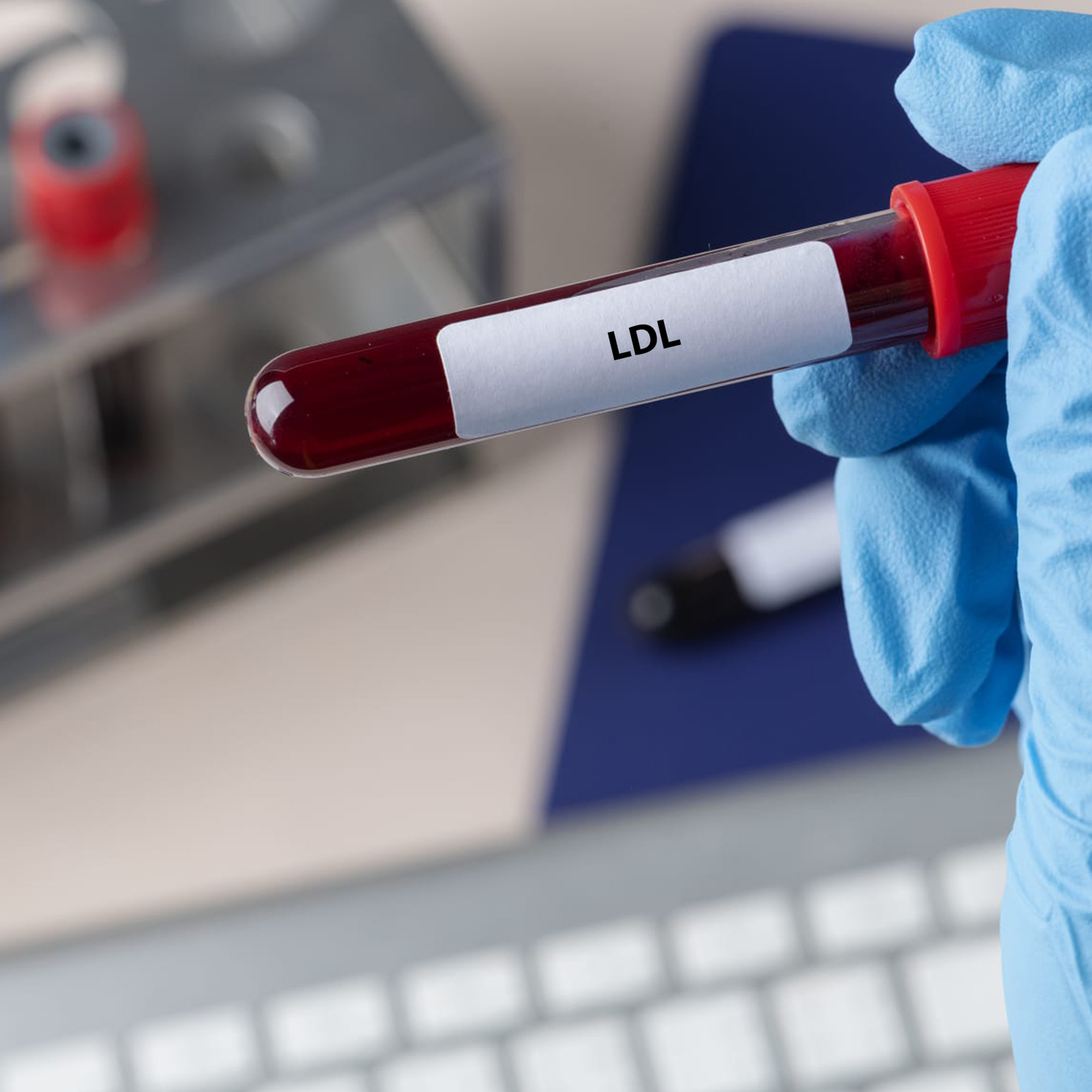
LDL
LDL is the abbreviation for low-density lipoproteins (Low-Density Lipoprotein). LDL is one of the lipoproteins that carry cholesterol in the blood. It plays an important role in metabolism by carrying cholesterol to body cells and distributing it to tissues. LDL is known as "bad" cholesterol because it can increase the risk of plaque buildup in blood vessels, which can lead to blockages in the arteries and increase the risk of heart disease. LDL levels are often evaluated as part of the total cholesterol level in the blood and are used as an indicator of cardiovascular disease risk.
What is LDL Test?
An LDL test is a medical test to determine low-density lipoprotein (LDL) levels in the blood. This test is usually done to evaluate cholesterol levels and determine the risk of cardiovascular disease. LDL is a type of lipoprotein that carries cholesterol, and high levels can increase the risk of arterial plaque buildup, thus increasing the risk of heart disease. LDL testing is often used to determine a person's total cholesterol level, assess heart health risk, and create appropriate treatment plans. This test can be performed in a fasting state, or it is usually performed in a laboratory environment by taking a blood sample.
How to Take an LDL Test?
LDL testing is usually performed with a fasting blood sample. Often, doctors advise patients to fast for 9 to 12 hours before the test. The fasting state refers to a period before eating and usually means taking a blood sample in the morning after fasting overnight. Fasting blood samples may reduce temporary increases in triglyceride and cholesterol levels that can affect test results. Therefore, a fasting state is recommended for LDL testing to obtain the most accurate results. However, your doctor may have specific instructions and requirements for you, so it is important to get accurate information by talking to your doctor before the test.
What is LDL Test Elevation?
LDL (low-density lipoprotein) cholesterol levels should generally be within a certain range. However, high LDL cholesterol levels are generally considered values above a certain limit. Doctors may recommend lower target values, taking into account the patient's overall health, risk of heart disease, other medical conditions, and personal medical history. High LDL cholesterol levels can increase the risk of atherosclerosis and increase the risk of developing cardiovascular diseases such as heart disease and stroke. For this reason, high LDL cholesterol levels are often considered by healthcare professionals to be a condition that requires treatment.
What is Low LDL Test?
LDL (low-density lipoprotein) cholesterol levels should generally be within a certain range. Normally, low LDL cholesterol levels are considered a preferred condition. However, LDL cholesterol levels that are too low can also sometimes reflect a certain medical condition or dietary habits.
LDL cholesterol is a type of lipoprotein that carries cholesterol to cells in the body. This cholesterol is a building block necessary to maintain the structure and function of cells. However, low LDL cholesterol levels are rarely detected and can often be associated with dietary habits, some genetic factors, or certain medical conditions.
Low LDL cholesterol levels can often vary depending on factors such as a person's eating habits, exercise routine, genetic factors and medical history. If LDL cholesterol levels are much lower than normal and an individual has certain symptoms or health problems, it is important to consult a doctor to determine the cause and plan appropriate treatment. There is little evidence that low LDL cholesterol levels generally cause health problems, but it is important to examine the condition and plan appropriate treatment.