

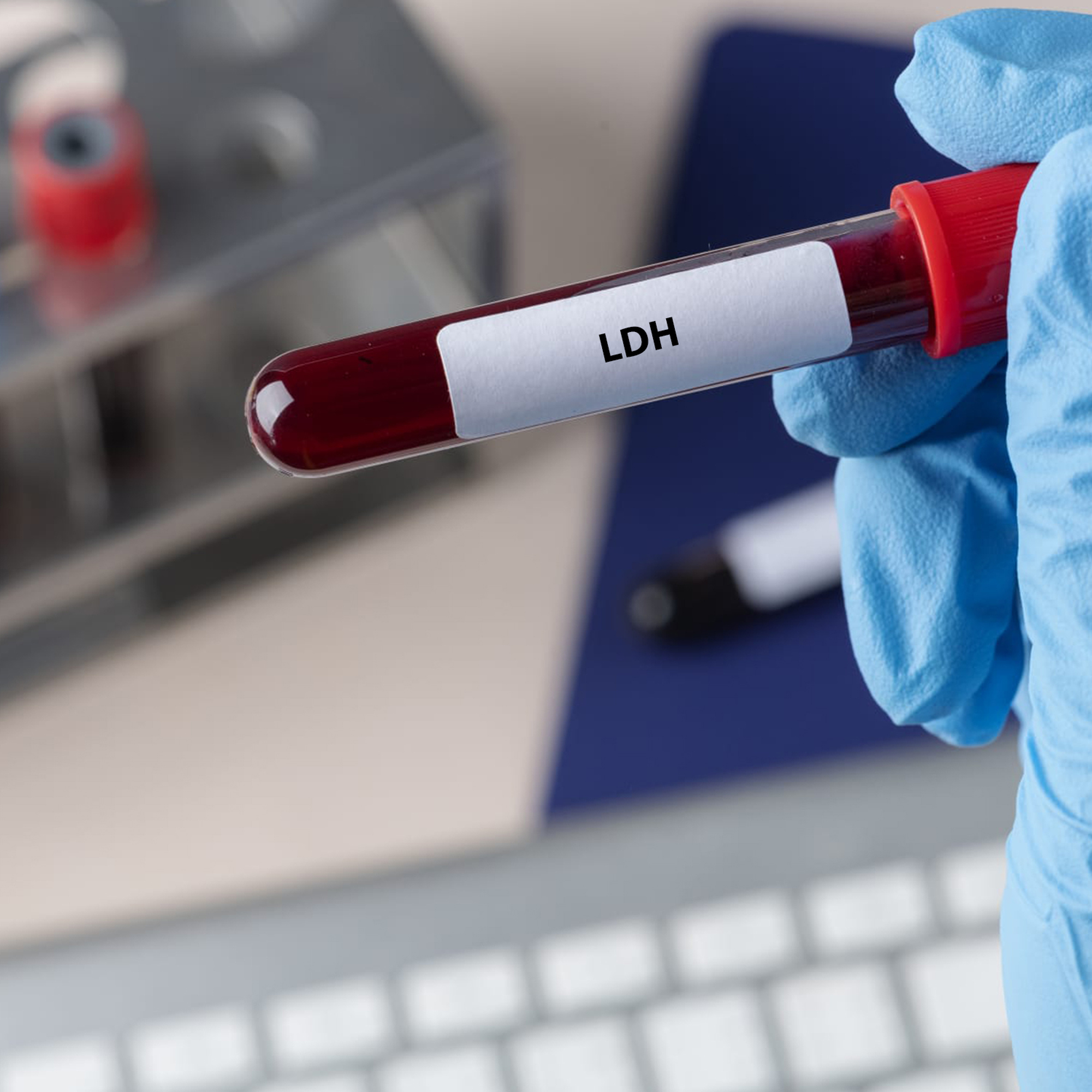
What is lactate dehydrogenase(LDH)?
It is an enzyme found in almost every cell and tissue of the body. The main purpose of this enzyme is to obtain energy from the sugar in the body. Lactate dehydrogenase enzyme, which is found in high amounts in the heart, liver, lungs and muscles, is used in the investigation of many diseases and some blood diseases.
What Does High LDH Mean?
High LDH means getting results above the reference values determined for the test. A slightly elevated lactate dehydrogenase level usually does not indicate any health problem. This may occur after sports and heavy exercises, or it may occur when exposed to cold. In the total LDH test, elevation in different LDH isozymes may be a sign of a disease or may be the result of cell and tissue damage. The causes of high LDH, or in other words, some disorders that cause high LDH, are listed below:
Some types of cancer, such as testicular and lymphoma cancer
Disorders such as stroke and CVO that develop due to problems in the brain vessels
encephalitis
liver diseases
kidney diseases
Heart diseases
pulmonary embolism
muscular dystrophy
pancreatitis
Hemolytic anemias
pernicious anemia
kissing disease
Meningitis
ischemia
pneumonia
bone fractures
muscle injuries
low blood pressure
infections
Some chronic diseases
Use of certain types of medications
What Does Low LDH Mean?
Being below the reference values is defined as low LDH. Although low LDH is not a common condition, it is not considered to be a problem on its own. Taking excessive amounts of vitamin C is among the factors that cause LDH levels to decrease. Genetic predisposition may also cause low LDH levels. Those with low lactate dehydrogenase levels often feel tired during high-tempo physical activities.
Muscle stiffness, cramping and muscle pain are common symptoms due to low LDH.