

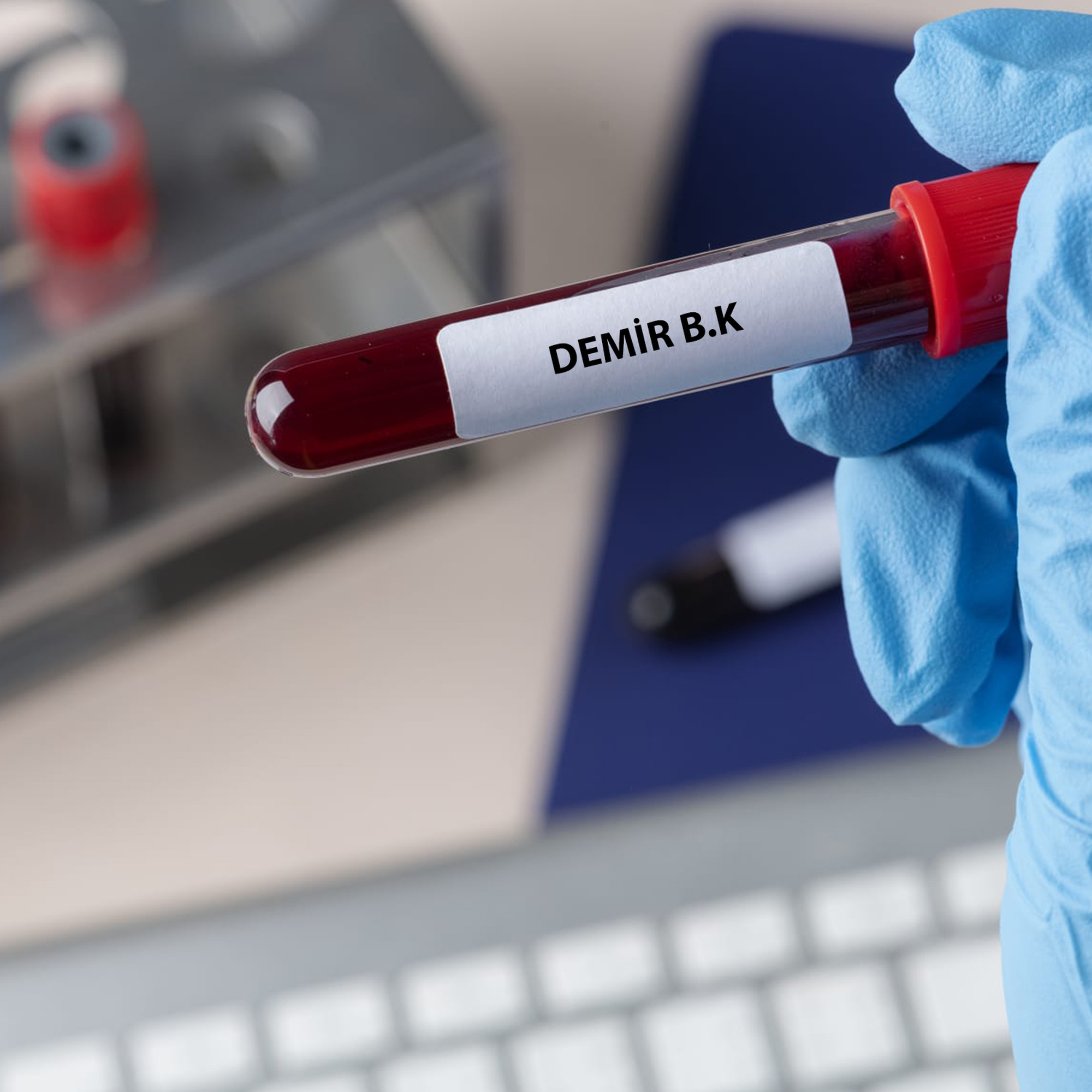
Iron Binding Capacity
Iron Binding Capacity (DBK) is a medical test that helps measure the body's capacity to transport and store iron. The DBK test measures the amount of proteins that can bind with iron in the blood and is used to determine conditions such as iron deficiency or excess.
The DBK test is often used to evaluate conditions related to iron metabolism. A high DBK level may indicate greater iron storage capacity in the body, while a low DBK level may indicate iron deficiency.
Iron binding capacity is an important marker for assessing iron levels in the body and detecting abnormalities in iron metabolism. Doctors may order this test to identify or monitor iron deficiency anemia, iron deficiency, or iron excess.
What is Iron Binding Capacity Test?
Iron Binding Capacity (DBK) test is a medical test that measures the transport and storage capacity of iron in the body. This test evaluates the amount of protein in the blood that can bind with iron and helps identify conditions such as iron deficiency or excess.
Why is Iron Binding Capacity Important?
Iron Binding Capacity (DBK) is a test that provides information about the transport, storage and availability of iron in the body. Measuring DBC helps identify and treat conditions such as iron deficiency or excess. This test is important for detecting iron metabolism disorders and understanding iron levels.
In Which Situations Is Iron Binding Capacity Required?
1. Suspicion of Iron Deficiency Anemia:
Doctors may order an iron-binding capacity test in people who show symptoms of iron deficiency anemia. These symptoms may include weakness, fatigue, paleness, shortness of breath, and low energy levels.
2. Other Types of Anemia:
Some types of anemia other than iron deficiency may require iron-binding capacity testing. For example, conditions such as chronic diseases and liver diseases can lead to anemia, and in this case, testing may be requested.
3. Follow-up of Chronic Diseases:
Some chronic diseases or conditions can affect iron levels. These conditions include conditions such as kidney disease and rheumatoid arthritis. Testing may be ordered to monitor changes during treatment.
4. Iron Metabolism Disorders:
Disorders of iron metabolism can affect iron levels in the body. Conditions such as hemochromatosis can lead to iron accumulation in the body, in which case iron binding capacity testing may be important.
5. Monitoring Treatment Responses:
During treatment of iron deficiency or other disorders of iron metabolism, this test may be ordered to evaluate the effectiveness of the treatment.
Doctors may order iron-binding capacity testing based on a person's symptoms, health history, and physical examination. This test can be an important tool for diagnosing and treating iron deficiency or other iron-related conditions.
What is Iron Binding Capacity Deficiency?
Iron Binding Capacity (DBK) deficiency refers to a condition in which the body's capacity to bind, transport or store iron is reduced. This condition may indicate a disorder in iron metabolism and may be associated with iron deficiency or other disorders of iron metabolism. DBC deficiency can help identify conditions such as iron deficiency anemia and is an important marker for determining appropriate treatment methods.