

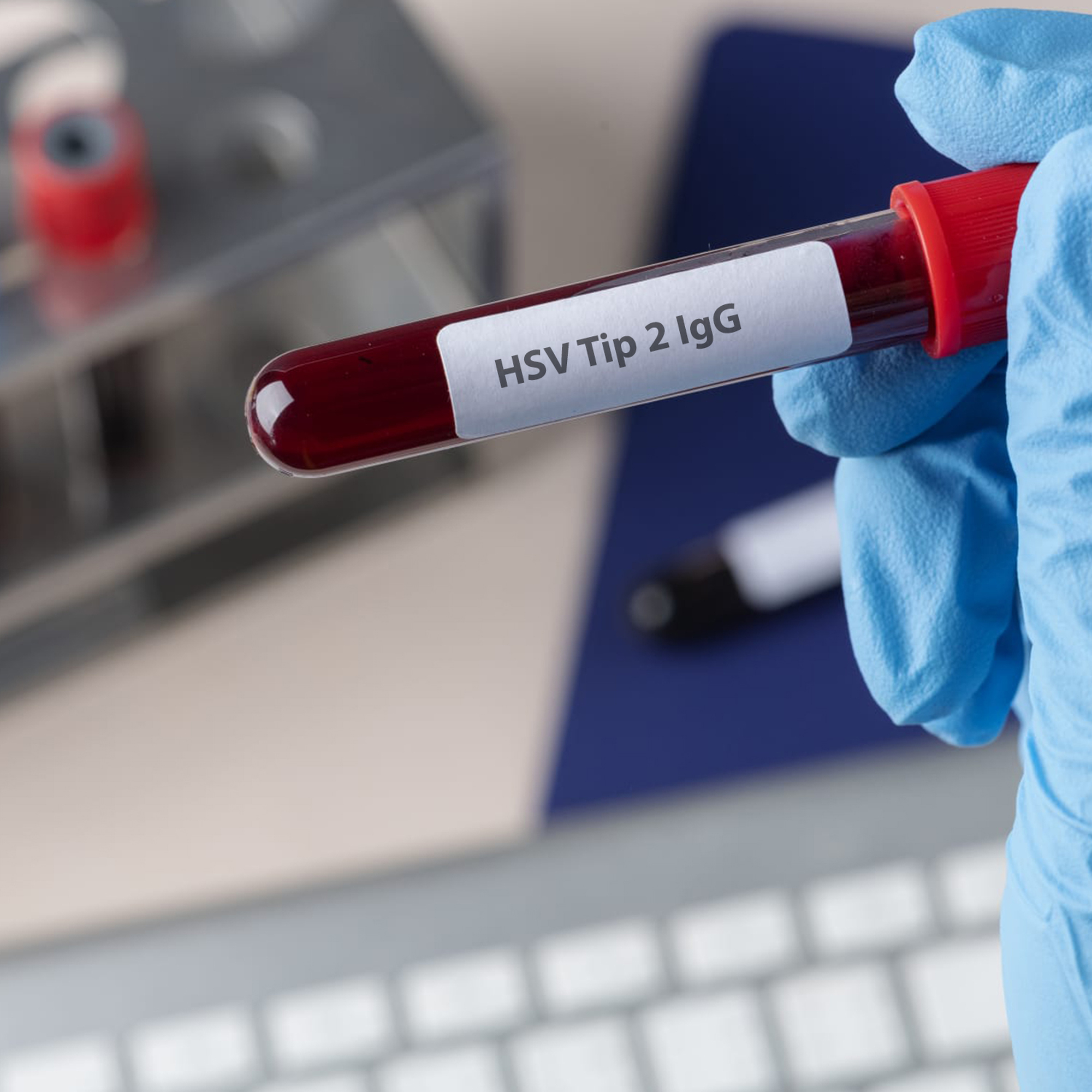
HSV Type 2 IgG
HSV-2 IgG test measures IgG antibodies against Herpes Simplex Virus Type 2 (HSV-2) in the blood, identifying exposure to HSV-2. HSV-2 primarily causes genital herpes and is usually transmitted through sexual contact. The immune system produces IgG antibodies after exposure to the virus, providing long-term immunity. This test helps determine whether an individual has been exposed to HSV-2 in the past. IgG antibodies, which persist longer compared to IgM antibodies (indicating recent infection), indicate previous exposure or past infection. The HSV-2 IgG test is more reliable than IgM tests in detecting a previous HSV-2 infection. It is crucial for establishing whether an individual has had prior contact with the virus.
What Is the HSV-2 IgG Test?
The HSV-2 IgG test is a laboratory test that measures IgG antibodies in a blood sample against Herpes Simplex Virus Type 2 (HSV-2) infection. This test assists in determining whether an individual has been exposed to HSV-2 in the past. IgG antibodies form after exposure to the virus and provide long-term immunity. The HSV-2 IgG test is used to detect a previous infection and show past exposure to the virus. It is typically applied for diagnosing and monitoring genital herpes, a virus primarily transmitted through sexual contact.
When Is the HSV-2 IgG Test Requested?
1. Genital Herpes Diagnosis:
Individuals showing genital sores, lesions, or symptoms may be requested to diagnose genital herpes.
2. Sexually Transmitted Disease Screening:
As part of screening for sexually transmitted infections, individuals with specific risk factors may undergo this test.
3. Pre-Pregnancy Screening:
Prior to pregnancy, the test may be requested to identify genital herpes infection in expectant mothers.
4. Asymptomatic Cases:
In some individuals without symptoms or before symptoms appear, the test may be requested to identify HSV-2 infection.
5. Infection Monitoring:
Individuals previously diagnosed with HSV-2 infection may have this test to monitor the course of the infection.
6. Partner Risk Assessment:
It might be requested to determine if a person's sexual partner carries a risk of HSV-2 infection.
The HSV-2 IgG test aims to identify a previous HSV-2 infection and determine whether an individual has developed immunity to the virus. The results generally show the type of immune response to the virus and previous exposure. However, a positive test result does not solely confirm an ongoing infection. Symptoms, clinical findings, and other test results should be evaluated together for an accurate diagnosis.
What Are the Symptoms of HSV-2 IgG Disease?
The HSV-2 IgG test is a blood test that identifies IgG antibodies produced by the body against Herpes Simplex Virus Type 2 (HSV-2) infection. Although not directly associated with specific symptoms, symptoms caused by HSV-2 may include:
1. Genital Sores or Lesions:
The most common symptom is the appearance of painful sores or fluid-filled blisters in the genital area, which can recur periodically.
2. Pain and Itching:
There might be pain, itching, or a burning sensation in the genital area.
3. Vaginal Discharge or Urinary Problems:
In women, vaginal discharge, and in men, a burning or painful sensation during urination, could occur.
4. Swelling of Lymph Nodes:
Swelling of lymph nodes in the genital area may be observed.
The HSV-2 IgG test is typically requested to assess disease symptoms or confirm the presence of an infection. It determines whether an individual has been previously exposed to HSV-2 and developed immunity against the virus. However, test results should not be directly associated with symptoms, as symptoms can vary between individuals, and some may experience no symptoms. Consulting a healthcare professional is essential for an accurate diagnosis.