

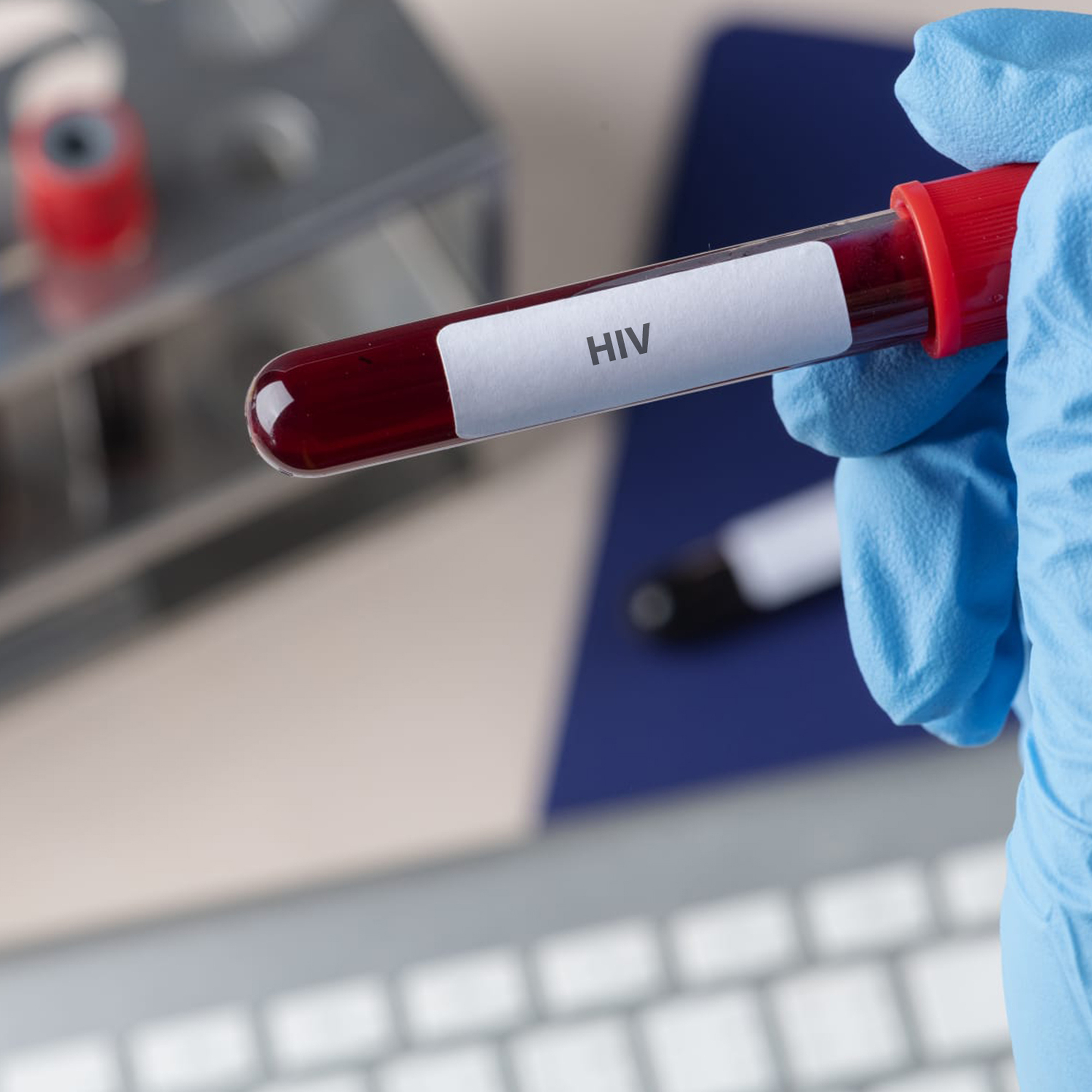
HIV (AIDS)
HIV (Human Immunodeficiency Virus) is a virus that targets the immune system and specifically attacks T cells known as CD4 cells. These cells play an important role in helping the body fight infections. HIV weakens the immune system and leaves the body vulnerable to various infections and certain types of cancer.
If HIV is left untreated or managed, it can progress to a stage called AIDS (Acquired Immunodeficiency Syndrome). AIDS is the most advanced stage of HIV infection and causes serious damage to the immune system. At this stage, the body loses its ability to fight infections and some types of cancer.
HIV is transmitted primarily through contact with certain body fluids, such as blood, semen, vaginal fluids, rectal fluids, and breast milk. The risk of becoming infected from an infected person may increase through unprotected sexual intercourse or sharing needles or syringes. It can also be passed to babies in the womb during birth or through breastfeeding.
What is HIV (AIDS) Testing?
HIV testing is a medical test used to determine HIV (Human Immunodeficiency Virus) infection. These tests attempt to indicate the presence of infection by detecting HIV antibodies or the virus itself. HIV testing is used to determine whether a person carries the virus and to take the necessary treatment and precautions. The most common tests are done on blood or saliva samples and play an important role in the process of detecting HIV infection. A positive result may indicate that the virus is present in the body, but other tests and confirmation processes are often required for a definitive diagnosis.
How is HIV (AIDS) transmitted?
1. Sexual Intercourse:
The most common way of transmission is through sexual contact. There is a risk of becoming infected during unprotected sexual intercourse with a person who has HIV. This virus can spread sexually transmitted infections through vaginal fluids, semen, anal secretions, and condoms.
2. Through Blood:
HIV can be transmitted through direct contact with infected blood or by sharing sharp objects such as infected needles, syringes, piercings and tattoo equipment.
3. Mother-Baby Transition:
HIV can be passed from mother to baby during pregnancy, birth or breastfeeding. A mother infected with HIV can pass the virus to her baby through infected blood or body fluids.
4. Shared Infected Needles or Syringes:
Shared needles or syringes used to inject drugs may increase the risk of HIV transmission.
5. Infected Blood Products:
In the past, there was a risk of transmission through blood and blood products from people with HIV infection. However, today, blood and blood products have been tested for HIV, making them safe.
The ways HIV is transmitted and the risk of infection can be reduced by taking protective measures. Protected sexual intercourse, use of sterile needles, prenatal treatments, and treatment methods for mothers with HIV during birth and breastfeeding play an important role in reducing the risk of transmission.
What are the symptoms of HIV (AIDS)?
In people with HIV (Human Immunodeficiency Virus) infection, obvious symptoms may not appear in the early stages of HIV. However, as HIV progresses or the immune system weakens, certain signs and symptoms may occur. These symptoms may include:
1. Early Symptoms (Acute HIV Infection):
Flu-like symptoms (fever, headache, muscle aches, sore throat, swollen lymph nodes, skin rash) may occur within 2 to 4 weeks after infection. These symptoms can sometimes be mild and unnoticeable.
2. Asymptomatic Period (Latent HIV):
Many people with HIV experience no symptoms for years after early symptoms.
3. Symptoms of AIDS (Advanced HIV Infection):
It occurs as a result of a serious weakening of the immune system.
General symptoms such as chronic fatigue, sudden weight loss, night sweats, recurrent fever, skin rashes, and chronic diarrhea may be observed.
Serious infections such as rare tuberculosis, certain types of cancer, pneumonia, and fungal infections may be frequently encountered.
HIV/AIDS may not show the same symptoms in every infected individual. While some people may not show symptoms for years after being infected, others may experience symptoms earlier. Taking an HIV test is a more accurate method of diagnosis than observing symptoms. If you feel any symptoms of HIV, it is important to consult a healthcare professional. This can help with early diagnosis and initiation of treatment.
When Should an HIV (AIDS) Test Be Done?
1. Risky Sexual Intercourse:
It is important to get tested if you have had unprotected sexual intercourse or at the beginning of a relationship with a new partner.
2. High Risk Groups:
People from groups with higher rates of HIV/AIDS should be tested regularly. These groups include those who have had sexual intercourse with an HIV-infected person, those who have had more than one sexual partner, those who have shared syringes, and those who have other sexually transmitted diseases.
3. Pregnancy:
HIV testing is recommended before or during pregnancy. This is important for the health of both mother and baby.
4. General Health Checks:
HIV testing may be done on the advice of a doctor or at the person's request as part of a check-up on a person's health.
What is the Importance of Early Diagnosis of HIV (AIDS) Disease?
There are several important aspects of early diagnosis of HIV/AIDS:
1. Treatment and Care:
Early diagnosis allows treatment to be started early. Early treatment can help protect the immune system and slow the progression of the disease. This can delay or stop the progression of HIV to AIDS.
2. Control of Disease Progression:
Early diagnosis and treatment can prevent HIV from multiplying rapidly in the body. This can help control the disease and reduce the risk of complications.
3. Reducing the Risk of Contamination:
HIV-positive people receiving treatment can reduce their virus levels through effective administration of antiretroviral therapy. This can reduce the risk of transmission and allow them to have a healthy sexual life.
4. Taking Preventive Measures:
Early diagnosis ensures that necessary precautions are taken to reduce the risk of virus transmission to sexual partners, family members and healthcare professionals of an HIV-positive individual.
5. Mental and Emotional Support:
Early diagnosis gives individuals and their families more time and resources to cope with the disease. This can help patients and their loved ones receive emotional support and combat disease-related stigmatization.
What are HIV (AIDS) Prevention Ways?
1. Protected Sexual Intercourse:
Using a condom during every sexual intercourse is one of the most effective ways to protect against HIV/AIDS and other sexually transmitted infections.
2. Avoid Sharing Syringes:
Not sharing needles used when injecting drugs reduces the risk of HIV/AIDS transmission.
3. Safe Use of Blood and Blood Products:
If blood transfusion is to be performed or blood products are to be used, it is important to obtain it from reliable sources. Blood tests and sterilization must be performed correctly.
4. Risk of HIV Transmission During Breastfeeding:
A mother infected with HIV can pass HIV to her baby while breastfeeding. Therefore, it is recommended that HIV-positive mothers choose different feeding methods instead of breastfeeding.
5. Early Diagnosis and Treatment:
Early diagnosis and initiation of treatment of HIV-positive people can reduce the risk of transmitting the virus.
6. Avoiding Risky Behaviors:
Avoiding risky sexual relationships and open communication and education between partners can reduce the risk of spreading HIV/AIDS.
What is HIV (AIDS) Positive?
HIV positive means that a person has the HIV virus in his body and creates an infection in the body. Being HIV positive does not mean that the person is infected with the HIV virus, but that the disease progresses and turns into AIDS. An HIV positive person is infected and can transmit the virus to others, so appropriate treatment and precautions must be taken.