

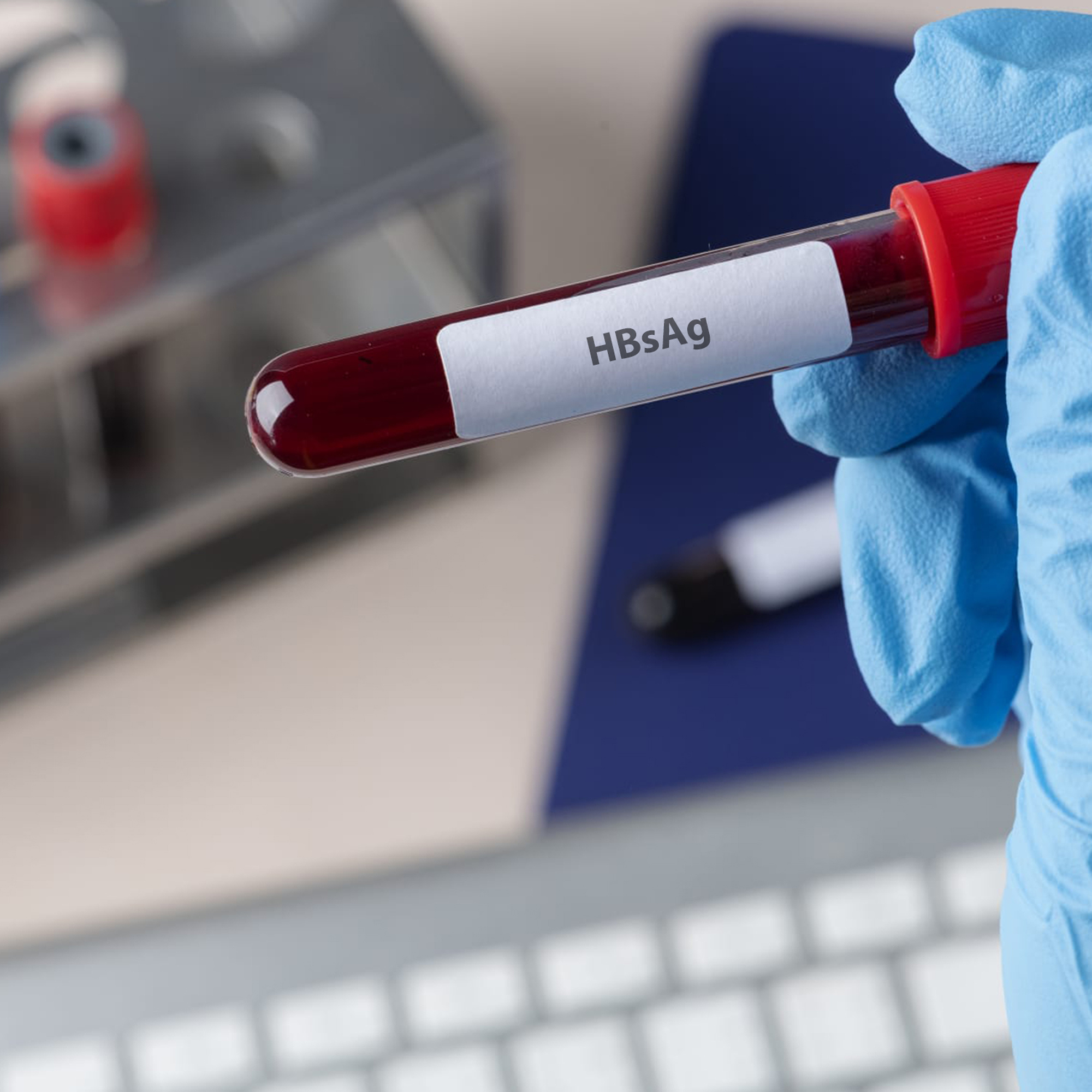
HBsAg
HBsAg stands for Hepatitis B surface antigen. It is a protein found on the surface of the hepatitis B virus. The presence of HBsAg indicates that a person is infected with the Hepatitis B virus. This antigen is an early sign of acute Hepatitis B infection and can also be found during the chronic phase of the infection. The HBsAg test is a common method used to screen for and diagnose Hepatitis B infection.
What is the HBsAg Test?
The HBsAg test is a blood test used to determine the presence of the Hepatitis B virus. This test is a medical procedure performed in a laboratory using a blood sample. The HBsAg test is used to determine if you are infected with the Hepatitis B virus.
The test can be used in the early stages of Hepatitis B infection or for monitoring chronic Hepatitis B infection. A positive result may indicate that a person is a carrier of the Hepatitis B virus. Negative results may suggest that the Hepatitis B virus is not present in the bloodstream at a specific time, but it does not necessarily mean that the individual has been vaccinated against it.
The HBsAg test is used in the diagnosis of Hepatitis B, screening of high-risk individuals, and monitoring of the infection. Test results help the doctor gather more information about the status of the infection and can assist in determining necessary treatment or follow-up procedures. If you wish to undergo this test, you can consult a healthcare professional for more information and to arrange the test.
How is HBsAg Transmitted?
HBsAg is an antigen component of the Hepatitis B virus surface. Hepatitis B virus can be transmitted through sexual contact, blood contact, or contact with infected body fluids containing HBsAg, which increases the risk of transmission from an infected person to a healthy individual.
Ways Hepatitis B virus can be transmitted include:
1. Sexual contact:
The virus can be transmitted through sexual contact, especially during unprotected sexual intercourse.
2. Bloodborne transmission:
Sharing needles or syringes, contact with infected blood, or blood products, and medical procedures under unhygienic conditions can increase the risk of Hepatitis B virus transmission.
3. Contact with infected body fluids:
Contact with infected body fluids containing HBsAg, such as an infected person's blood, semen, vaginal fluids, or saliva, can lead to transmission.
4. Transmission during birth:
The Hepatitis B virus can be transmitted from an infected mother to the baby during childbirth.
The most effective way to reduce the risk of Hepatitis B virus transmission is through vaccination. Vaccination is the primary method of protection against Hepatitis B infection. Additionally, reducing contact with infected individuals, avoiding unprotected sexual intercourse, and practicing hygiene measures to minimize contact with blood and body fluids can decrease the risk of virus transmission.
When is the HBsAg Test Done?
1. Routine Screening:
Some countries recommend routine HBsAg testing for individuals living in regions where Hepatitis B infection is prevalent or for specific risk groups.
2. Health Checks:
Healthcare workers, blood donors, and other high-risk occupational groups may undergo regular HBsAg testing.
3. Presence of Symptoms:
If there are symptoms suggestive of Hepatitis B infection, such as jaundice, liver issues, or other symptoms, a doctor may perform an HBsAg test to assess the individual's condition.
4. Risk Factors:
Individuals at risk, such as those who have had sexual contact with someone infected with Hepatitis B, shared needles or syringes, or had contact with an infected person, may undergo testing.
5. Pre-Pregnancy Tests:
HBsAg testing may be performed before pregnancy, during pregnancy, or immediately after childbirth to determine if the mother carries the Hepatitis B virus.
The HBsAg test is an important test used to detect Hepatitis B infection and assess infection risk. Individuals interested in taking the test can consult their doctors to obtain more information about the appropriate timing for their specific situation.
What Does a Positive HBsAg Test Mean?
When an HBsAg test is positive, it indicates that the person has been exposed to the Hepatitis B virus or is carrying the virus. A positive result indicates an active Hepatitis B infection, signifying the presence of the virus in the body and that the individual is infected.