

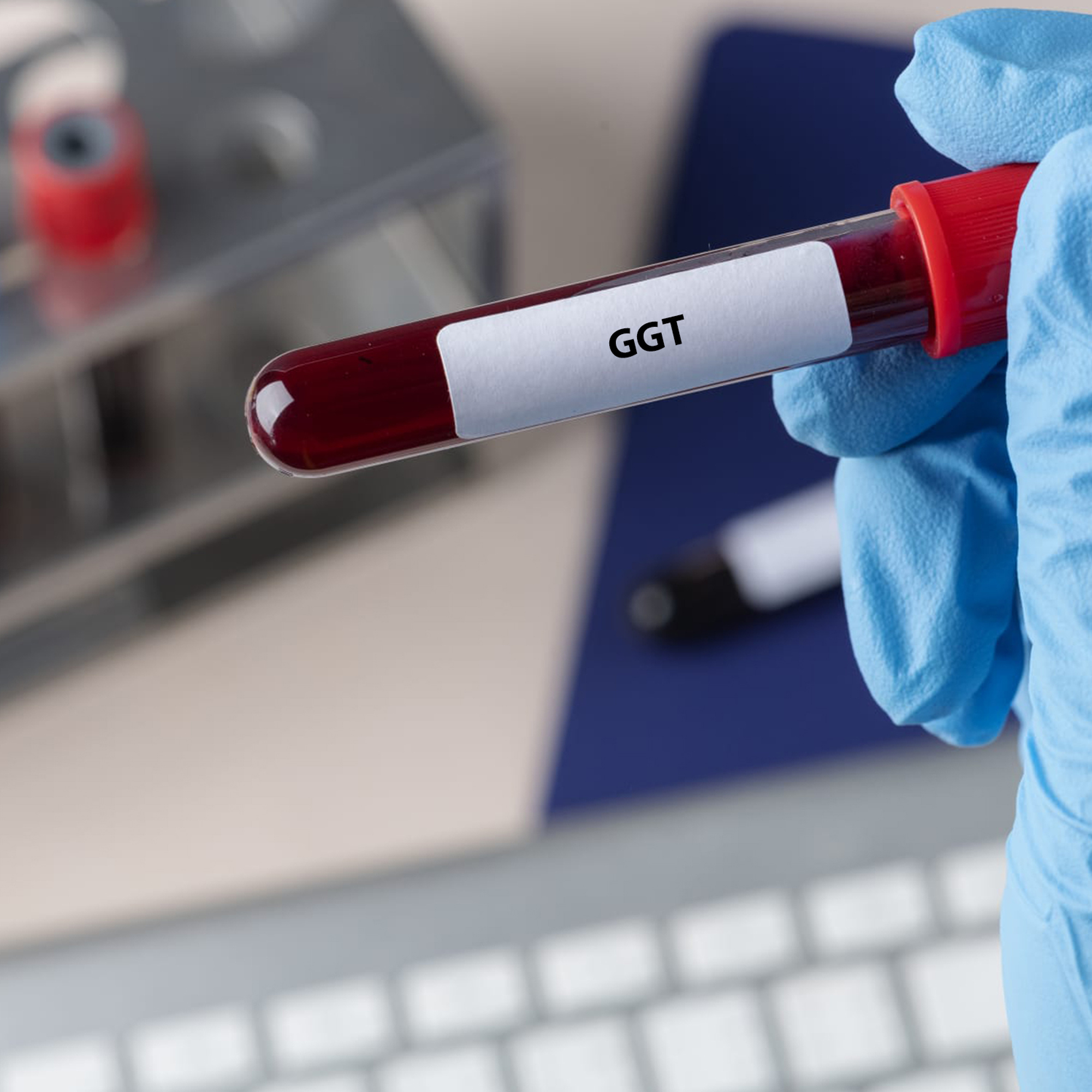
What is Gamma-Glutamyl Transpeptidase (GGT)?
Gamma-glutamyl transferase (GGT), known as a liver enzyme, is used to detect diseases that may occur in the liver. The GGT rate in the blood is examined to reveal abnormal results, especially in enzyme tests. Thanks to the GGT test, problems in the bile ducts, bones and liver are determined.
GGT test is an enzyme found in organs and is requested to understand whether it is at the required unit values.
Enzymes are organic substances that have a protein structure, are soluble, and regulate the speed of all kinds of reactions occurring on a cell basis. It acts as a catalyst in the body and can only be synthesized in living things. With this active function, GGT enzyme is expected to be at sufficient levels on the organ tissue.
Too little or too much will cause disease development. Among the enzymes that act as carriers in addition to their chemical reactions and synthesis functions, GGT enzyme works as a transport molecule and contributes to the functionality of the movements of molecules.
GGT (Gamma Glutamyl Transferase)
What is its height?
Blood tests are among the most frequently used diagnostic methods in health screenings. Blood tests are included both in research conducted on people with disease symptoms and in routine health checks. If you have had a series of blood tests for any reason, one of the values you can see in your results list is the parameter called “GGT”. The enzyme called "Gamma Glutamyl Transferase" or "GGT" for short is also frequently investigated, especially in blood tests where liver function tests are performed. Although it is mostly related to the liver, increased levels of GGT can also be seen in health problems related to the gallbladder and pancreatic organs. The high level of GGT enzyme in the blood, which is expected to be present in very low amounts in the blood of healthy individuals under normal conditions, is a situation that must be investigated.
The most common reasons for elevated gamma glutamyl transferase can be listed as follows:
Acute or chronic liver inflammation (hepatitis)
alcohol use
liver cirrhosis
Liver cysts and cancers
Fatty liver (hepatosteatosis)
Gallbladder stones or blockages in the bile ducts
Acute or chronic inflammation of the pancreas (pancreatitis)
Diabetes (sugar) disease
Congestive heart failure
Side effects of some medications used (especially drug groups such as warfarin, phenobarbital and phenytoin)
Gamma Glutamyl Transferase (GGT) deficiency?
As a result of the test, if the values are below the base reference value, it is considered as low GGT. Low gamma glutamyl transferase can be defined as a condition indicating that there is no health problem. In addition to coffee consumption, thyroid insufficiency, birth control pills, high triglycerides, low magnesium and hypothalamic disorder are among the causes of low gamma glutamyl transferase.