

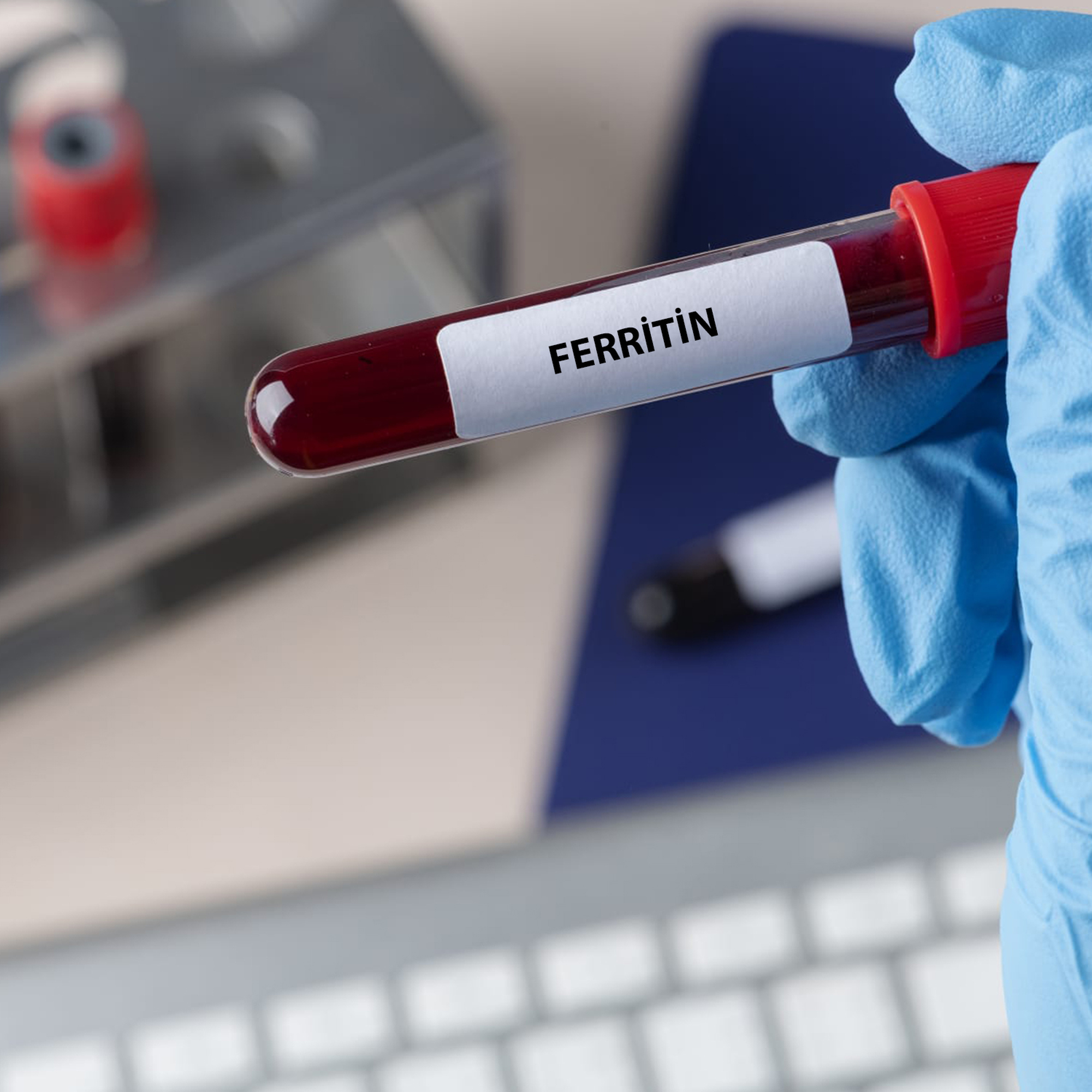
Ferritin
Ferritin is a protein that stores iron in the body and is responsible for regulating this iron. It is usually found in the liver, spleen and bone marrow. It is an important marker for controlling iron levels in the body. Ferritin levels provide information about the status of iron stores in the body. High ferritin levels may indicate conditions such as excess iron storage or inflammation, while low ferritin levels may indicate iron deficiency. Therefore, measuring ferritin levels is used to evaluate iron metabolism and identify states of iron deficiency or iron excess.
What is Ferritin Test?
The ferritin test is a medical test used to evaluate iron stores in the body. Ferritin is a protein complex responsible for storing iron in the body. This test is done by taking a blood sample and measures serum ferritin levels.
Ferritin levels provide information about the status of iron stores in the body. Normally, high ferritin levels may indicate excess iron storage or inflammation in the body, while low ferritin levels may indicate iron deficiency. This test is used to identify states of iron deficiency or iron excess, evaluate iron metabolism, and determine appropriate treatment.
Ferritin testing may be ordered by doctors to diagnose or monitor iron deficiency anemia, hemochromatosis (excessive accumulation of iron), liver diseases, or other disorders of iron metabolism.
What is Ferritin Deficiency?
Ferritin is a protein complex that allows iron to be stored in the body. Ferritin deficiency means low serum ferritin levels. This condition is often associated with iron deficiency anemia because ferritin is considered an indicator of iron stores in the body. Ferritin deficiency can occur due to inadequate intake or decreased absorption of iron. This can be caused by various factors such as:
1. Malnutrition:
A diet deficient in iron can cause ferritin levels in the body to drop.
2. Problems in Iron Absorption:
Digestive disorders or certain health conditions may prevent adequate absorption of iron. For example, conditions that affect absorption in the intestines, such as celiac disease, can lead to ferritin deficiency.
3. Iron Loss:
Blood loss, especially in cases of chronic bleeding (e.g., stomach ulcer, uterine bleeding, gastrointestinal bleeding), can cause iron levels in the body to drop and thus lead to ferritin deficiency.
Ferritin deficiency is often associated with symptoms of iron deficiency anemia. These may include weakness, fatigue, paleness, dizziness, shortness of breath, difficulty concentrating and rapid heartbeat. In case of ferritin deficiency, since not enough iron can be stored in the body, appropriate treatment methods and iron supplements can be recommended by doctors to replenish iron stores and increase iron levels in the body.