

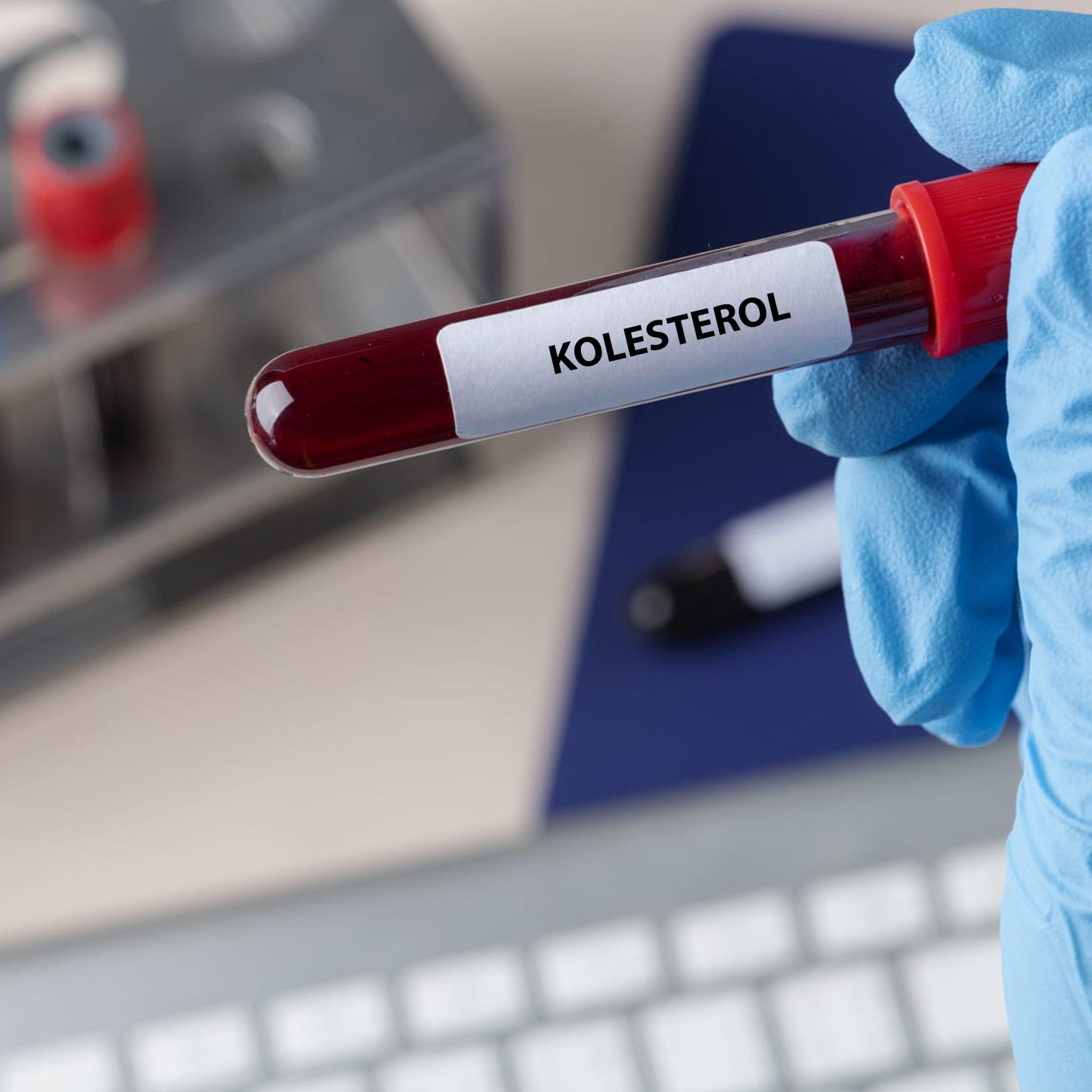
What is Cholesterol?
Cholesterol is a type of lipid, or fat, with a waxy structure, found in the blood of humans and produced naturally by all cells, especially in the liver. Cholesterol has a waxy structure found in the blood. In order for the human body to form healthy cells, it needs a certain amount of cholesterol to be used in the creation of cell membranes, as well as some hormones and vitamin D.
What Causes High Cholesterol?
Factors such as controllable inactivity, obesity and unhealthy diet contribute to high LDL cholesterol value and low HDL cholesterol value. In addition, uncontrolled factors such as genetics may also play a role in high cholesterol levels.
Factors that increase the risk of high cholesterol:
Lack of exercise:
Regular exercise helps individuals increase your body's HDL (good cholesterol) level, while reducing the amount of LDL (bad cholesterol) and the size of the plaques formed from it.
Malnutrition:
In addition to saturated fat found in animal products, consuming trans fats found in processed junk food-style products can increase individuals' cholesterol levels. Foods that are inherently high in cholesterol, such as red meat and full-fat dairy products, can also increase cholesterol levels.
Obesity:
Having a body mass index (BMI) of 30 or above increases an individual's risk of high cholesterol.
To smoke:
Smoking damages the walls of blood vessels, making it easier for fatty deposits to accumulate. It may also lower levels of HDL or "good" cholesterol.
Hereditary Causes:
An individual's genetic makeup may prevent the process of removing LDL cholesterol from the blood from occurring effectively or may cause the liver to produce more cholesterol than necessary.
Diabetes:
High blood sugar increases the blood level of a very dangerous type of cholesterol called very low density lipoprotein, or VLDL, and causes the level of HDL cholesterol to decrease. High blood sugar also damages blood vessel walls. Kidney disease or hypothyroidism also causes problems with cholesterol levels.
Age:
As individuals get older, their risk of high cholesterol increases as their body chemistry changes. For example, the liver eliminates LDL cholesterol at a slower rate.
What is Low Cholesterol?
Low cholesterol is not a common problem. However, its presence may indicate some serious health problems.
Cholesterol is a fat-like substance found in our blood. In fact, it is necessary for our body. It plays a role in making cells, hormones and some vitamins. For this, it must be at normal levels. Too much is harmful. Cholesterol cannot circulate in the blood on its own because it is insoluble in water. It circulates in the blood by binding to some substances called lipoproteins, which are made in the liver.