

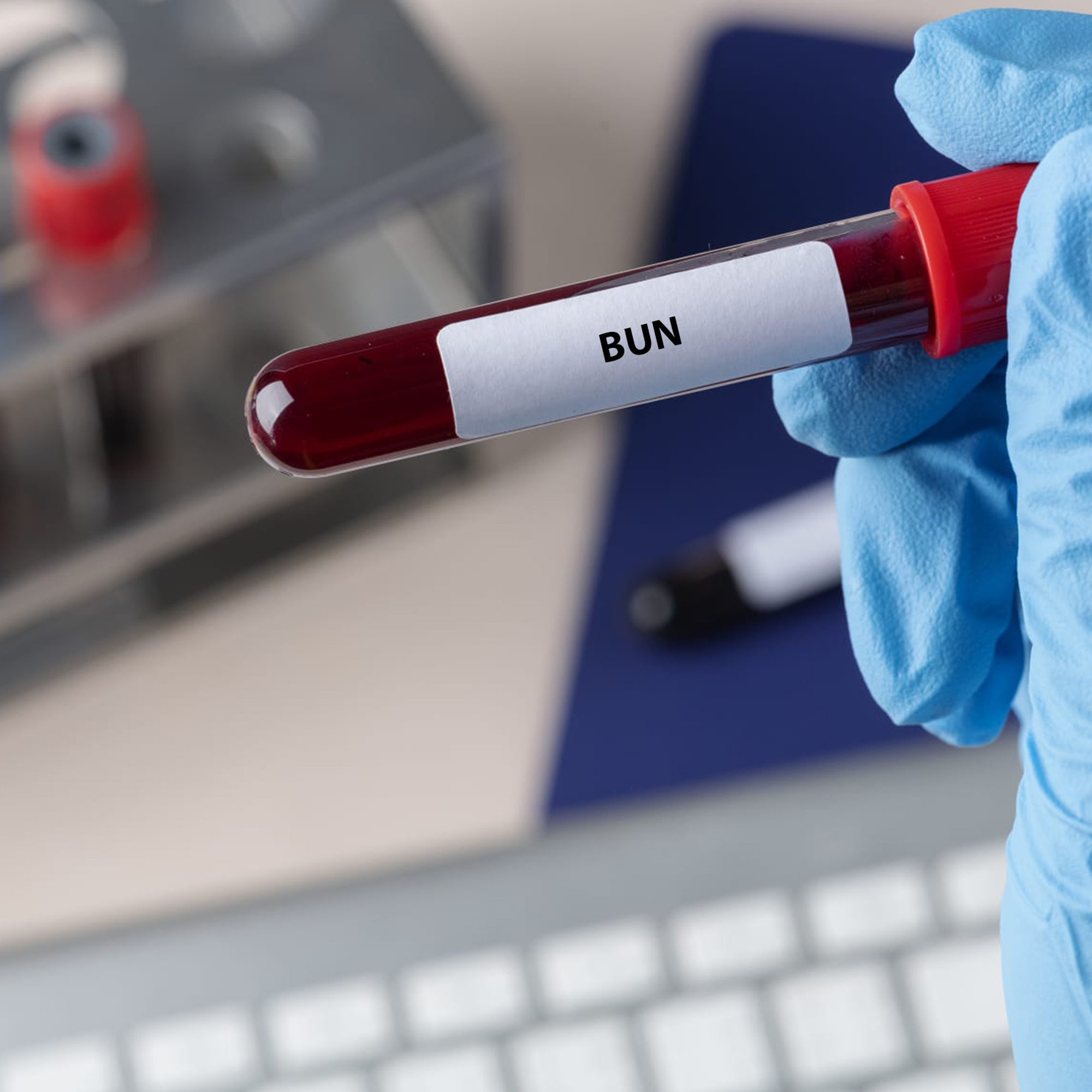
What is BUN?
Ammonia is produced when protein taken through food is broken down into amino acids by the digestive system. Ammonia, which is extremely toxic to the body, contains some nitrogen. Ammonia, which reaches the liver through the blood, is converted into urea there and released back into the blood to reach the kidneys. If the kidneys function properly, urea nitrogen, which is harmful to the body, is separated from the blood and excreted through urine. However, since this process is done in a cycle, there is always a constant amount of urea nitrogen in the blood. If there is a disease in the kidneys, urea cannot be separated from the blood and rises. The BUN test, defined as Blood Urea Nitrogen, or in other words, blood urea nitrogen, is a type of laboratory test used to measure the urea nitrogen fixed in the blood.
What is a High BUN Value?
High levels of urea nitrogen, the end product of protein metabolism, in the BUN test often indicate a kidney disease. High BUN value, which manifests itself with symptoms such as foam in the urine, pain during urination, fatigue and weakness, can also be seen due to problems in the heart and blood circulation. In addition, thyroid hormone disorder, digestive disorders, irregular and protein-rich nutrition, and excessive exercise may also cause the urea nitrogen level in the blood to be above reference values. Intense stress, long-term fasting, febrile illnesses and the presence of infection also cause the BUN level to increase.
What is a Low BUN Value?
A low BUN value is not a common condition. This condition, which occurs due to irregular and inadequate nutrition, can also be seen due to excessive water consumption. Low BUN, which usually occurs as a result of not meeting the amount of protein the body needs with nutrition, can occur as a result of the use of antibiotics and anabolic steroid type drugs. In rare cases, diseases such as liver-related diseases, digestive system absorption problems, diabetes, cirrhosis and tuberculosis may also cause the BUN value to decrease. In addition, some diseases such as surgical interventions on the pancreas, removal of a part of the pancreas, pancreatic insufficiency and cancer, cystic fibrosis, Crohn's disease and Zollinger Ellison Syndrome, abbreviated as ZES, may also cause low urea nitrogen levels.