

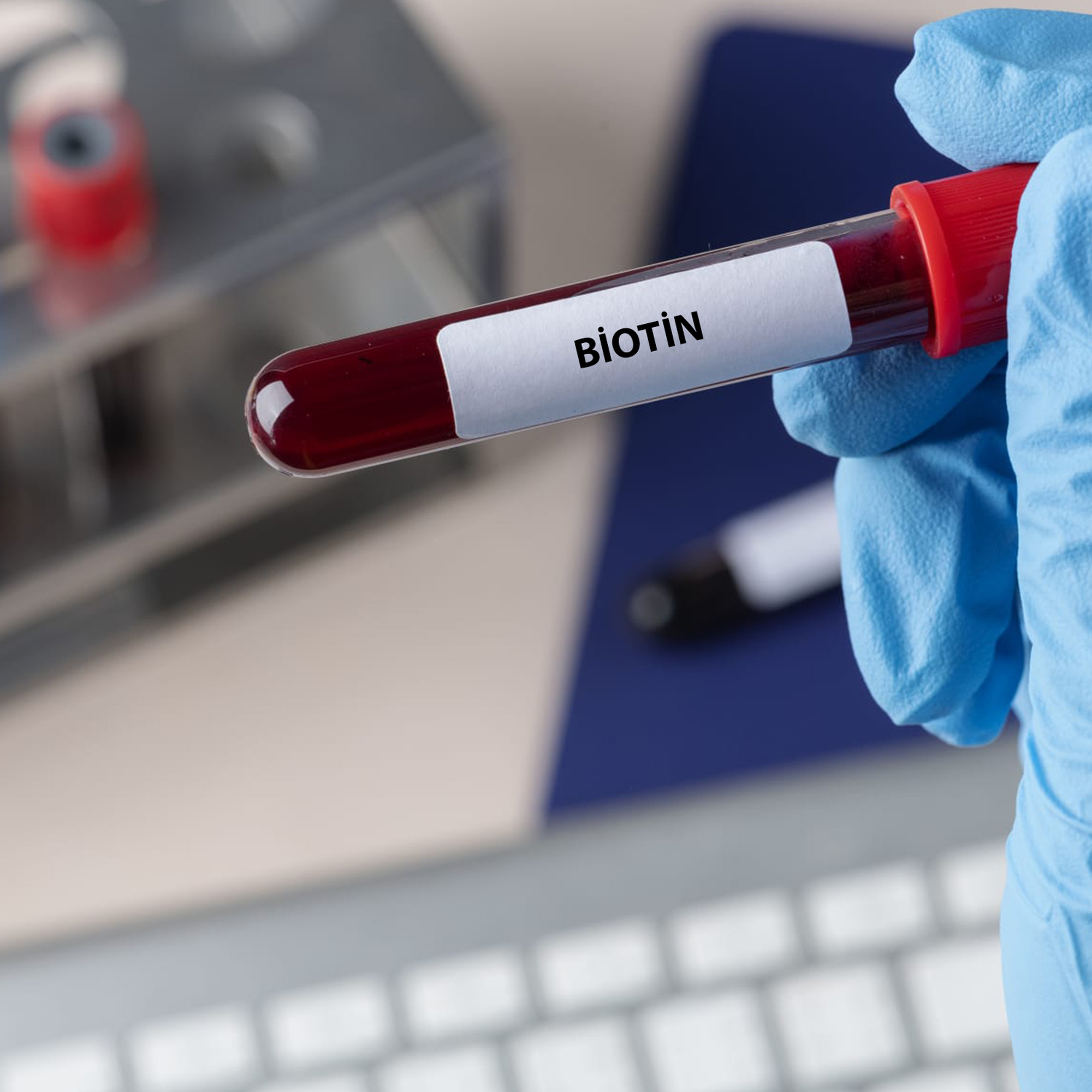
Biotin (Vitamin H)
Biotin is a water-soluble B-vitamin, commonly known as "Vitamin H." It's an essential nutrient for the body, playing a critical role in metabolizing carbohydrates, fats, and proteins. Additionally, biotin is crucial for hair, skin, and nail health. Since the body cannot produce this vitamin on its own, it needs to be obtained from external food sources. Biotin deficiency is generally rare, but symptoms such as hair loss, skin problems, irritability, and muscle aches may occur in cases of deficiency. Biotin is commonly used as a supplement to support hair, skin, and nail health, but it's recommended to undergo a biotin test before taking any supplements.
What is the Biotin (Vitamin H) Test?
The biotin test is a medical test conducted to measure biotin levels in the body. This test is usually requested to determine biotin deficiency or assess biotin levels. Biotin, an important B vitamin for the body, plays a role in carbohydrate, fat, and protein metabolism. Although biotin deficiency is rare, some symptoms may be observed in certain situations. This test can be used to diagnose biotin deficiency or determine whether supplementation is necessary. However, it's essential to consult a healthcare professional before taking biotin supplements, as they may affect some medical test results.
When is the Biotin (Vitamin H) Test Requested?
1. Symptoms and Signs:
Observed symptoms in individuals may be associated with biotin deficiency. These symptoms include hair loss, skin problems, brittle nails, fatigue, muscle pain, numbness, and irritability. However, these symptoms may also arise from other health issues, so consulting a doctor for an accurate diagnosis is crucial.
2. Suspected Biotin Deficiency:
Tests might be requested for individuals at risk of biotin deficiency due to inadequate nutrition or certain metabolic conditions.
3. Inadequate Nutrition:
In cases of imbalanced or insufficient nutrition, especially in individuals not consuming enough biotin-containing foods, the risk of biotin deficiency may increase. Biotin levels can be assessed in such cases.
4. Chronic Diseases or Digestive Problems:
Chronic diseases or digestive issues (such as Crohn's disease) might reduce biotin absorption. In such scenarios, assessing biotin levels could be important.
5. Pregnancy:
The need for biotin might increase during pregnancy. Hence, women during pregnancy might undergo tests to check their biotin levels.
6. Medication Usage:
Certain medications, especially prolonged antibiotic use or specific treatments, might affect biotin absorption. Testing biotin levels might be necessary in such cases.
What is Biotin (Vitamin H) Deficiency?
Biotin deficiency refers to the insufficient presence of biotin (Vitamin H) in the body. Biotin plays a critical role in various fundamental biological functions such as energy production, fatty acid synthesis, amino acid metabolism, and genetic material production.
Biotin deficiency is typically associated with the following symptoms:
1. Skin Problems:
Biotin deficiency can lead to dryness, rashes, dermatitis, itching, and skin inflammation.
2. Hair Problems:
Hair loss or weak, brittle hair might be among the signs of biotin deficiency.
3. Nail Issues:
Brittle and easily breakable nails could be a symptom of biotin deficiency.
4. Irritability and Numbness:
Biotin deficiency may lead to irritability, fatigue, muscle aches, numbness, and weakness, affecting the nervous system.
5. Taste Problems:
Biotin deficiency might cause alterations in taste sensation or loss of taste.
6. Muscular Problems:
In certain cases, biotin deficiency can lead to muscle weakness and aches.