

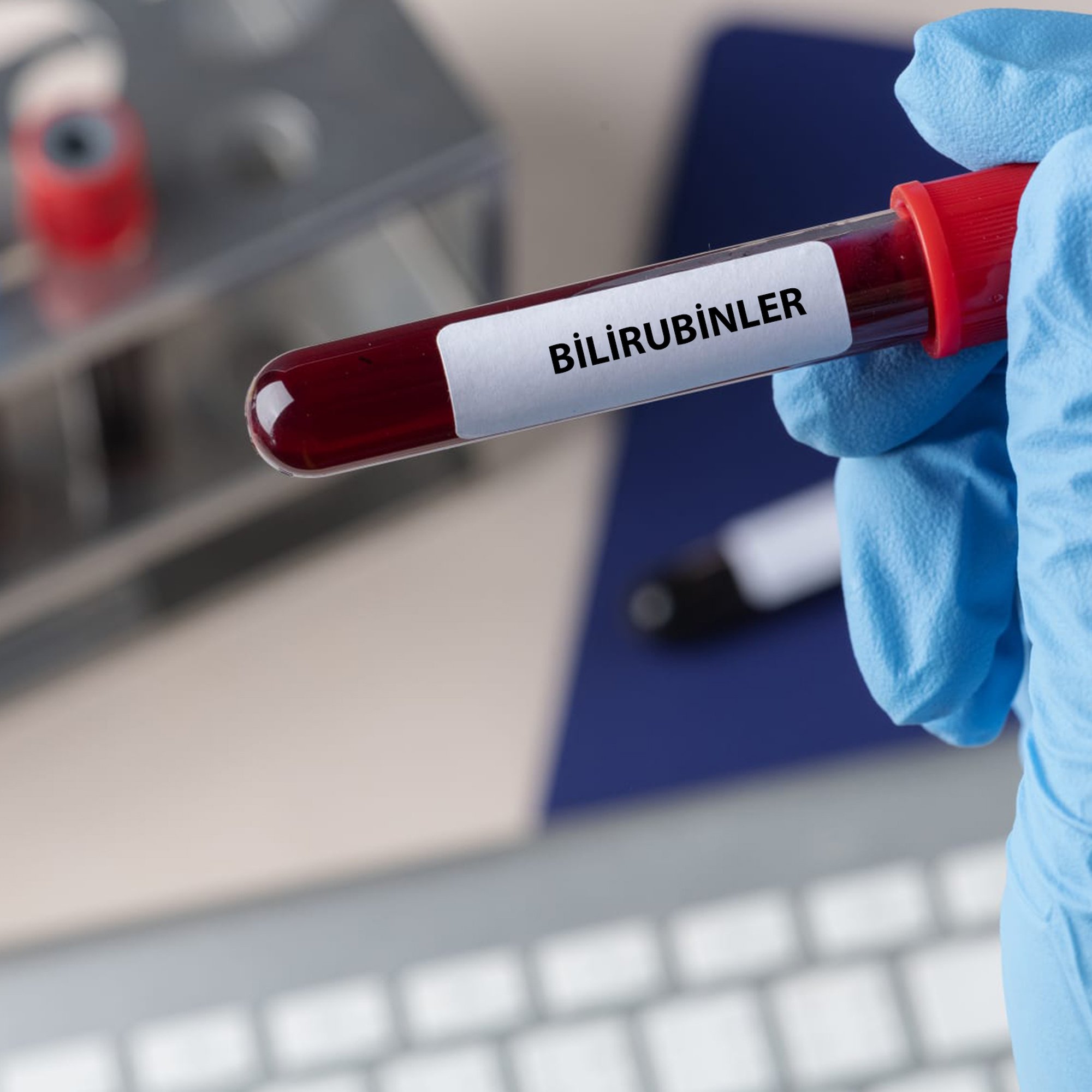
What is Bilirubin Test?
Bilirubin is a yellowish substance produced during the body's process of breaking down red blood cells. This substance is found in the liver and is normally eliminated from the body during digestion. If the liver is damaged, bilirubin can leak into the blood and urine. Bilirubin in urine can be a sign of liver disease. In this case, a bilirubin test is applied to measure the amount of bilirubin in the blood. This substance has no function in the body.
Bilirubin testing is used to screen and monitor liver disorders. If the patient is thought to have signs and symptoms of liver damage, liver disease, bile duct obstruction, hemolytic anemia, or liver-related metabolic problems, this test is requested and performed.
How to Detect Bilirubin?
In newborns or babies, the sample is blood taken from the heel prick. The baby's heel skin is punctured with a small sharp instrument and a few drops of blood are collected into a small tube. In adults, this sample is taken from the veins in the arm.
In humans, bilirubin in the blood can be found in 3 different structures. There are three types of bilirubin tests: total bilirubin, indirect bilirubin and direct bilirubin.
What is Total Bilirubin?
The sum of direct (conjugated) and indirect (unconjugated) bilirubin forms in the blood is called total bilirubin. Total bilirubin elevation is affected by all diseases that increase direct and indirect bilirubin.
What is Direct Bilirubin?
It is water-soluble bilirubin. Indirect bilirubin, formed by the destruction of erythrocytes, is transported to the liver bound to albumin in the blood. It is combined with glucuronic acid in the liver and water-soluble direct (conjugated) bilirubin is formed.
Elevated direct bilirubin is most commonly seen in obstructive jaundice in adults.
In obstructive jaundice, bile flow stops in the bile ducts outside the liver for various reasons.
Direct bilirubin level increases in bile duct obstructions. It causes jaundice (icterus) first in the sclera and then in the skin, whitened stool because it cannot flow into the intestines, and urine color turning red like tea because it increases in the urine.
What is indirect bilirubin?
It is bilirubin that is insoluble in water. It is formed by the destruction of erythrocytes and is transported to the liver in the blood bound to albumin. In the liver, indirect bilirubin is combined with glucuronic acid and water-soluble direct (conjugated) bilirubin is formed. In the presence of elevated indirect bilirubin alone, if liver enzymes are normal and hepatitis tests are negative, this may indicate Gilbert syndrome.