

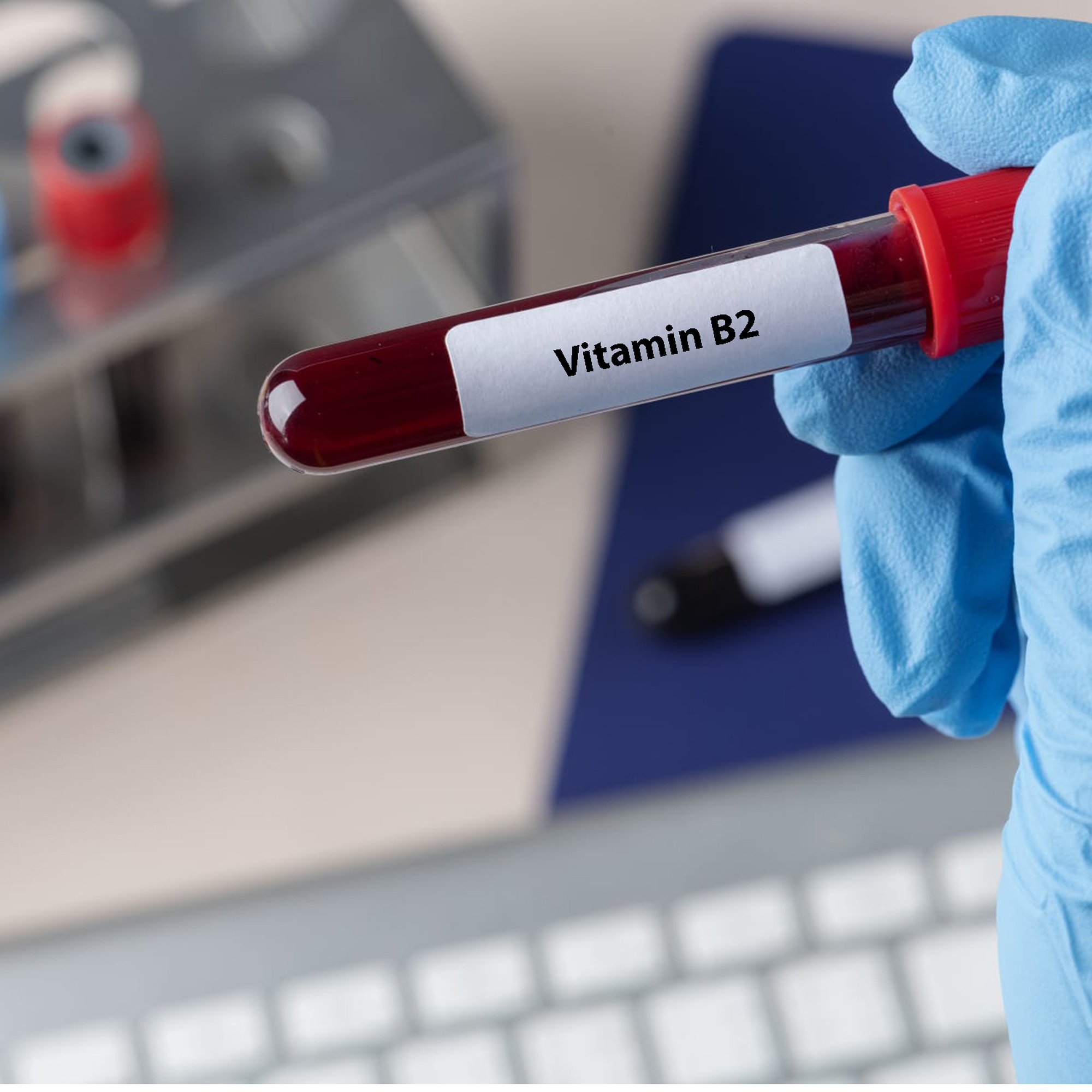
Vitamin B2
Vitamin B2, also known as riboflavin, is a water-soluble vitamin. This vitamin is essential for the body as it plays a critical role in energy production and metabolic processes. Riboflavin functions as part of enzymes involved in energy production in the body. Additionally, it is necessary for normal growth and tissue healing. Vitamin B2 is obtained from food and is not stored in the body, hence it's a vitamin that needs to be regularly replenished.
Some primary functions of riboflavin include:
1. Energy Production:
Riboflavin participates in the conversion of carbohydrates, fats, and proteins into energy.
2. Antioxidant Properties:
By displaying antioxidant activity in the body, it protects cells against the harmful effects of free radicals.
3. Body Growth and Development:
It is essential for normal growth, cell development, and tissue healing.
4. Eye Health:
It is crucial for maintaining the health of the retina and eye tissues.
Although Vitamin B2 deficiency is rare, some symptoms may include cracked and dry lips, inflammation of the skin, sensitivity in the eyes, sensitivity to light, and anemia. Generally, obtaining sufficient riboflavin from a balanced diet is possible.
What Is the Vitamin B2 Test?
The Vitamin B2 test is a medical test conducted to measure riboflavin levels in the body. This test is usually used to detect riboflavin deficiency or excessive intake. Since riboflavin is not stored in the body, it needs to be regularly consumed. The Vitamin B2 test can help determine a person's riboflavin levels, aiding in treatment planning.
Because riboflavin deficiency is rare, the test is typically requested for individuals showing symptoms or to monitor their nutritional status. Symptoms such as cracked lips, skin inflammation, eye sensitivity, sensitivity to light, and anemia may indicate riboflavin deficiency and prompt a Vitamin B2 test.
A doctor may request this test to determine riboflavin levels in individuals experiencing symptoms or specific medical conditions. Since inadequate nutrition, absorption problems, or certain health conditions can affect riboflavin levels, the Vitamin B2 test may be conducted in these situations.
When Is Vitamin B2 Test Requested?
1. Symptoms and Signs:
In individuals showing symptoms of riboflavin deficiency, especially if symptoms such as cracked lips, mouth sores, skin inflammation, eye sensitivity, or a reddish tongue are present.
2. Inadequate Nutrition:
Riboflavin levels can be checked in individuals with low B2 vitamin intake or following a particular diet. Vitamin B2 deficiency might be present, particularly in vegans, those on strict diets, or individuals with poor nutrition.
3. Malabsorption Conditions:
People with digestive system problems or conditions that hinder adequate nutrient absorption (such as Crohn's disease, celiac disease, etc.) may have reduced riboflavin absorption. In such cases, B2 vitamin levels can be tested.
4. Treatment and Medication Use:
Certain medications or treatments can affect B2 vitamin levels. For instance, specific drugs may result in decreased B2 vitamin levels as side effects or due to long-term use.
5. Some Medical Conditions:
Particularly in cases of kidney diseases, liver diseases, anemia, certain medical conditions may affect riboflavin levels, prompting doctors to request the B2 vitamin test.
6. Pregnancy:
During pregnancy, there might be changes in vitamin and mineral balances. Therefore, pregnant women may request this test, especially if symptoms are present or if there's low B2 vitamin intake.
What Is Vitamin B2 Deficiency?
Vitamin B2 deficiency refers to the inadequate presence of riboflavin (Vitamin B2) in the body. Riboflavin is a vital vitamin for the body, contributing to various biological processes. This deficiency generally arises due to inadequate nutrition, absorption issues, or specific health conditions.
Symptoms of Vitamin B2 deficiency may include:
1. Skin Issues:
Riboflavin deficiency can lead to problems such as cracks in the skin, cracking of lips, mouth sores, skin inflammation, or irritation.
2. Eye Problems:
Symptoms like eye sensitivity, sensitivity to light, a reddish tongue, or burning and watering of the eyes may indicate riboflavin deficiency.
3. Nervous System Issues:
Symptoms such as disruptions in nervous system functions, nerve damage, headaches, memory problems, and a sensation of numbness may occur.
4. Low Energy Levels:
Symptoms like fatigue, weakness, low energy levels, and decreased performance might be present.
5. Digestive Problems:
Vitamin B2 deficiency can lead to some digestive issues. Symptoms might include stomach pain, digestive problems, and loss of appetite.
6. Anemia:
Riboflavin deficiency might lead to a decrease in the production of blood cells, which can be associated with anemia (low red blood cell count).