

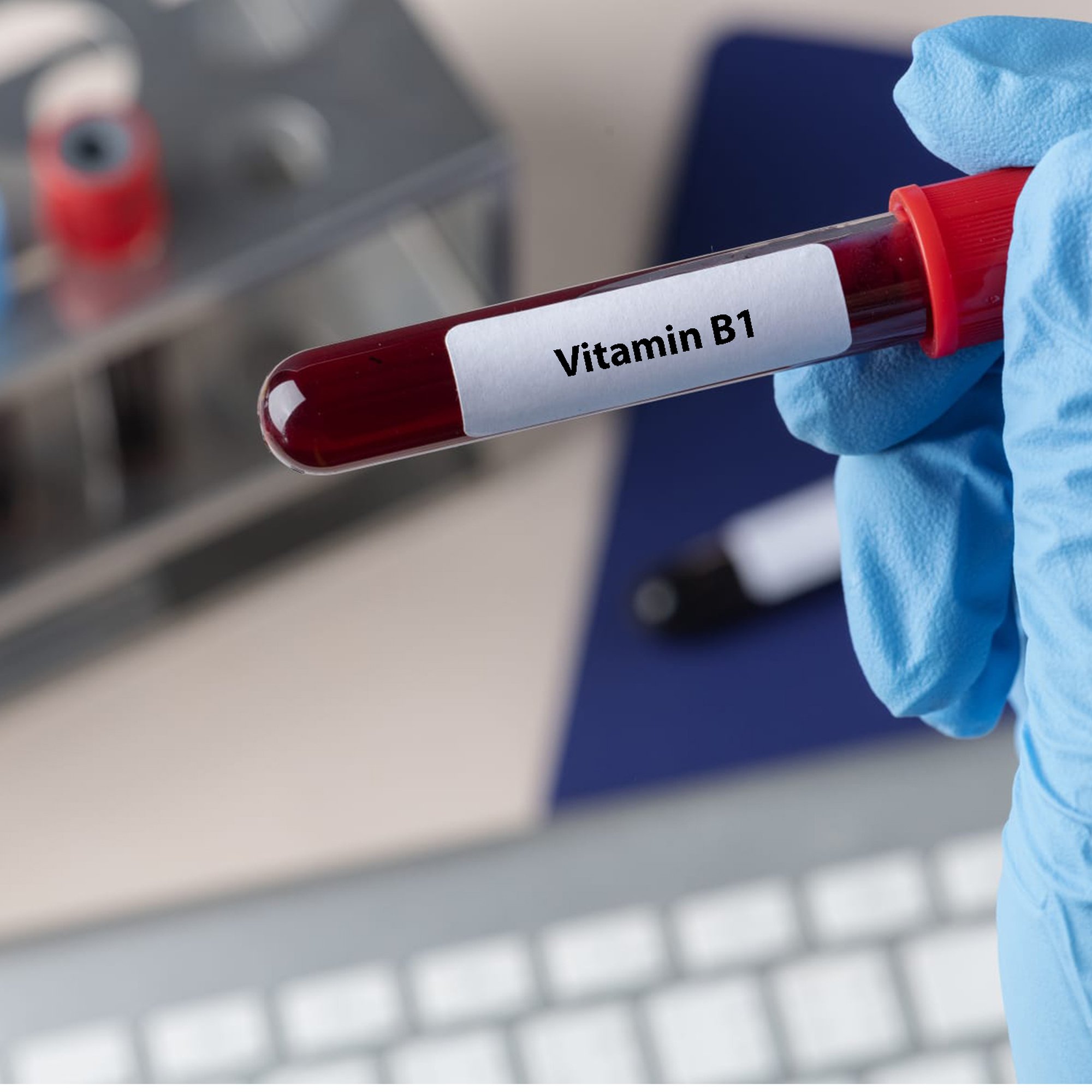
Vitamin B1
Vitamin B1, also known as thiamine, is a water-soluble vitamin essential for energy production and nerve function in the body. It plays a critical role in converting carbohydrates into energy and assists in the proper functioning of the nervous system and muscles. Thiamine is necessary for normal growth, development, and cellular functions. Inadequate intake can lead to health issues such as beriberi.
What is the Vitamin B1 Test?
The Vitamin B1 test is a medical test conducted to measure the levels of thiamine (Vitamin B1) in the body. This test is usually used to determine thiamine deficiency or evaluate thiamine levels. Thiamine is a vitamin that is not stored in the body, hence regular intake is necessary. The Vitamin B1 test enables doctors to determine thiamine levels to assist in planning appropriate treatment. This test might be requested for individuals showing symptoms of thiamine deficiency or having certain health issues. Thiamine deficiency can cause health problems like nervous system issues, muscle weakness, heart problems, and other complications.
When is Vitamin B1 Test Requested?
Vitamin B1, or thiamine, is an important vitamin for the body. Thiamine deficiency can lead to various health issues. Reasons for requesting a test to assess thiamine levels may include:
1. Signs and Symptoms:
Individuals showing symptoms of thiamine deficiency may have this test requested. Symptoms may include forgetfulness, muscle weakness, fatigue, concentration difficulties, nervous system issues, sleep disturbances, and imbalance.
2. Alcoholism and Alcohol Dependency:
Alcohol addiction can inhibit thiamine absorption, leading to thiamine deficiency. Monitoring thiamine levels in individuals with alcohol dependence might require this test.
3. Gastrointestinal Issues:
Certain digestive system problems, especially malabsorption issues, can reduce thiamine absorption. Individuals with digestive issues like celiac disease, Crohn's disease, or severe diarrhea may have lower thiamine levels.
4. Inadequate Nutrition:
Unbalanced or insufficient nutrition can cause thiamine deficiency. The risk of thiamine deficiency is higher, especially in low-income areas or among individuals with specific diets (e.g., vegans).
5. Pregnancy:
The body's need for thiamine may increase during pregnancy. Pregnant women might have this test requested if they show signs of thiamine deficiency or have low thiamine intake.
6. Treatment and Medication Use:
Certain medications or treatments can affect thiamine absorption. Long-term dialysis, chemotherapy, or some antiepileptic drugs can cause thiamine deficiency.
These conditions can lead to thiamine deficiency, and doctors might request this test to determine thiamine levels. This test is used to assess thiamine levels in individuals showing signs of thiamine deficiency or having specific health conditions to plan appropriate treatment.
What is Vitamin B1 Deficiency?
Vitamin B1 deficiency, also known as thiamine deficiency, is an important vitamin required by the body and its deficiency can lead to various health issues. Thiamine deficiency is generally caused by factors such as inadequate nutrition or absorption disorders. This deficiency may manifest through the following symptoms:
1. Beriberi:
A disease caused by thiamine deficiency, Beriberi can have adverse effects on the nervous system, muscles, and heart. Beriberi has two primary types:
Dry Beriberi:
Affecting the nervous system, symptoms include muscle weakness, tingling, numbness, sensory losses, and nerve damage.
Wet Beriberi:
Affecting the heart muscles, symptoms include heart failure, edema, shortness of breath, and irregular heartbeats.
2. Wernicke-Korsakoff Syndrome:
Chronic alcoholism or heavy alcohol consumption can lead to thiamine deficiency. This condition is a serious one affecting brain functions. Symptoms include mental disorders, memory loss, nervous system issues, and coordination problems.
3. Emotional and Neurological Issues:
Thiamine deficiency can affect emotional states and nervous system health. This can manifest through symptoms like depression, anxiety, nervous system problems, memory loss, and difficulty concentrating.
4. Digestive Issues:
Digestive problems can affect thiamine absorption. Symptoms like loss of appetite, weight loss, digestive issues, and constipation can occur.
Thiamine deficiency can cause serious health problems and may require appropriate treatment. Therefore, it's important for individuals showing signs of thiamine deficiency to consult a healthcare professional to assess their condition and receive necessary treatment.