

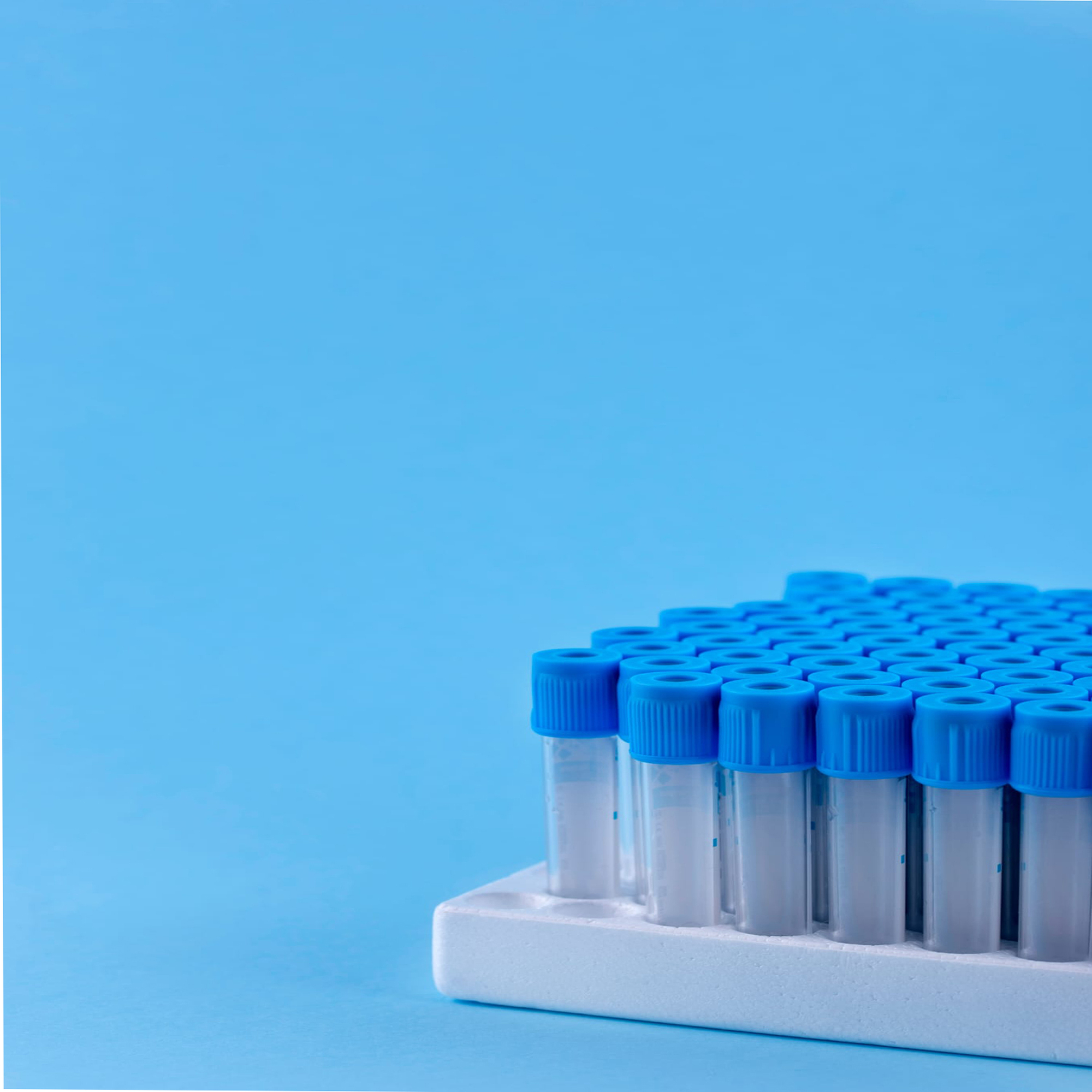
APTT
APTT (Activated Partial Thromboplastin Time) is a laboratory test that evaluates the blood's clotting ability. APTT measures the clotting time of the blood plasma, assessing the intrinsic clotting pathway. This test measures the effectiveness of some of the blood's clotting factors and is used to evaluate a specific point in the blood clotting process. APTT testing is important for assessing factors that affect the internal clotting pathway and for identifying bleeding disorders. It may also be requested to monitor the effectiveness of anticoagulant medications and adjust their dosages in patients undergoing treatment.
What is the APTT Test?
The APTT test is a laboratory test used to assess the blood clotting process. This test is utilized to measure the blood's clotting ability. APTT assesses the effectiveness of some of the blood's clotting factors, evaluating the internal clotting pathway. The blood clotting process occurs through a series of clotting factors working together in a specific sequence. The APTT test measures the activity of factors in the internal clotting pathway. Fibrinogen, one of these factors, plays a fundamental role in clot formation. The APTT test is conducted by exposing the blood plasma to a clotting activator (such as calcium) along with a reactive substance. This measures the blood's clotting time. The APTT test is important for identifying bleeding disorders, evaluating the blood's clotting ability, and monitoring the effectiveness of specific conditions where anticoagulant therapies are employed. This test helps understand the functioning of factors in the internal clotting pathway and can aid in understanding clinical conditions and determining treatment options.
When is the APTT Test Requested?
1. Bleeding Disorders:
The APTT test is requested to identify issues related to blood clotting that might take longer than normal. It is particularly useful for identifying deficiencies or abnormalities in the blood's clotting factors.
2. Monitoring Hemophilia:
It plays a significant role in monitoring and evaluating the response to treatment in hereditary bleeding disorders like hemophilia. It can be used to identify deficient or low levels of clotting factors.
3. Anticoagulant Medications:
The APTT test might be requested to determine the effectiveness and dosage of anticoagulant medications like Heparin. Medications such as Heparin are used to prevent clot formation and reduce the risk of clotting. Hence, the APTT test is used to determine how quickly the blood clots.
4. Pre-surgical Assessment:
The APTT test might be requested to evaluate a patient's clotting status before surgical procedures. This test can help determine the risk of bleeding during surgery.
5. Liver Diseases:
In cases of liver diseases, the APTT test might be requested due to the liver's influence on clotting factors. It can be used to evaluate liver function.
6. Identifying Other Bleeding Disorders:
The APTT test can be used to identify the causes of bleeding problems and understand the conditions under which these issues occur.
The APTT test is a crucial tool for evaluating the blood's clotting ability, diagnosing specific diseases, monitoring treatment, and assessing the risk of clots before surgery. Many medical conditions might necessitate the APTT test. It serves as an important tool for doctors to understand specific aspects of the blood clotting process and to provide appropriate treatment.
What Does Elevated APTT Mean?
An elevated APTT indicates that the blood takes longer than normal to clot. This generally signifies a deficiency or dysfunction in clotting factors.
What Does Decreased APTT Mean?
A decreased APTT indicates that the blood clots faster than normal. This typically points toward excessive clotting of the blood and an increase in some clotting factors.