

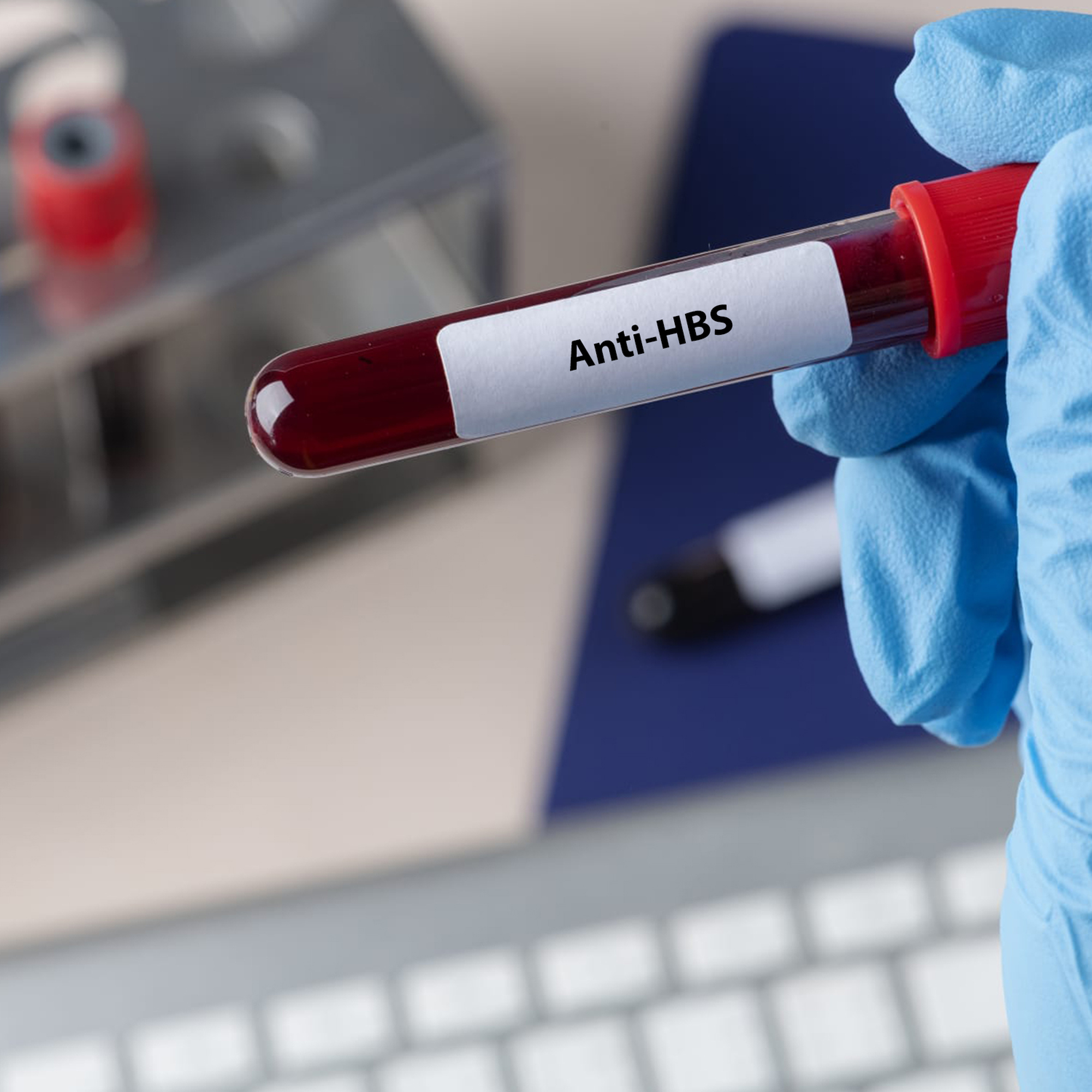
What is Anti-HBS Test?
The Anti-HBS test, also known as the Hepatitis B Surface Antibody (Anti-HBs) test, is a blood test used to determine the immune status against the Hepatitis B virus (HBV) or to assess the protective effect of the Hepatitis B vaccine.
The Hepatitis B virus (HBV) causes liver inflammation. The Anti-HBS test examines a person's immune system and detects the presence of protective antibodies called anti-HBS antibodies against this virus. These antibodies are produced in the body either after Hepatitis B vaccination or naturally as a result of a past Hepatitis B infection.
Finding Anti-HBS antibodies in the test results indicates that the person has acquired immunity against the Hepatitis B virus and demonstrates the presence of protective antibodies. This indicates that the individual is protected against Hepatitis B infection and is not a carrier of the virus. High levels of Anti-HBS antibodies indicate that the person has acquired immunity and developed antibodies at a protective level. Conversely, low or absent levels may require additional vaccination or preventive measures.
The Anti-HBS test is commonly used to evaluate the immunity status in healthcare workers, individuals working in the healthcare sector, those at risk of health-related exposures, or individuals who have received the Hepatitis B vaccine. This test is important in determining the immunity status of individuals at risk of exposure to the Hepatitis B virus and taking necessary precautions.
What Does Anti HBs Test Positive Mean?
A positive result in the Anti-HBs test indicates that the individual has acquired immunity against the Hepatitis B virus (HBV) and has developed protective antibodies (anti-HBs antibodies). This often occurs following either receiving a Hepatitis B vaccine or after a past Hepatitis B infection.
The presence of Anti-HBs antibodies being positive signifies that the person's body has gained immunity when exposed to HBV and provides protection against the virus. It indicates that the individual is not a carrier of HBV and has acquired immunity after experiencing the infection.
A positive Anti-HBs test result typically arises in the following situations:
1. Post-Hepatitis B Vaccination:
If an individual has received the Hepatitis B vaccine and their body has produced anti-HBs antibodies in response to the vaccine, the test result might be positive. This indicates that the individual has gained immunity after the vaccination and is protected against HBV.
2. Past Hepatitis B Infection:
If an individual has been previously infected with HBV and has developed antibodies in their immune system, the Anti-HBs test can show a positive result. This demonstrates that the person has acquired immunity after overcoming the infection and has protective antibodies in their body after having had the disease.
A positive result in the Anti-HBs test signifies that the individual has acquired immunity against HBV and usually indicates that they have either experienced the disease or have been vaccinated. This suggests that the person is not a carrier of the virus and typically shows protection against HBV. However, it's important to consult a healthcare professional for interpreting test results and the individual's condition. In cases of any uncertainty, your doctor may advise you on necessary precautions.
What Does Anti HBs Test Negative Mean?
A negative result in the Anti-HBs test indicates that the individual has not developed protective antibodies against the Hepatitis B virus (HBV) or they are not detectable at significant levels. This typically means that the person has not acquired immunity against HBV or has not produced antibodies at a protective level.
A negative result in the Anti-HBs test can arise in the following situations:
1. Inadequate Immune Response After Vaccination:
If an individual has received the Hepatitis B vaccine but their body hasn’t produced sufficient anti-HBs antibodies, the test result might be negative. This situation indicates a failure to acquire immunity after vaccination or insufficient immunity levels.
2. Previous HBV Infection:
If an individual has been previously infected with HBV but their body hasn’t responded adequately to produce antibodies or if antibody levels have decreased over time, the Anti-HBs test can yield a negative result. This suggests that the individual might not have developed adequate immunity after encountering the virus.
3. Decline in Immunity Levels:
The immunity levels of an individual who had a Hepatitis B vaccine in the past may decrease over time. Decreased levels or falling below detectable thresholds of Anti-HBs antibodies can result in a negative test outcome.
A negative result in the Anti-HBs test indicates that the individual hasn’t produced adequate protective antibodies against the Hepatitis B virus or they might be at low levels. In this case, the individual might be vulnerable to HBV and could be at risk of infection. It's important to consult a healthcare professional for interpreting negative results and taking appropriate measures. Following your doctor's recommendations for treatment or additional vaccinations is essential in such situations.