

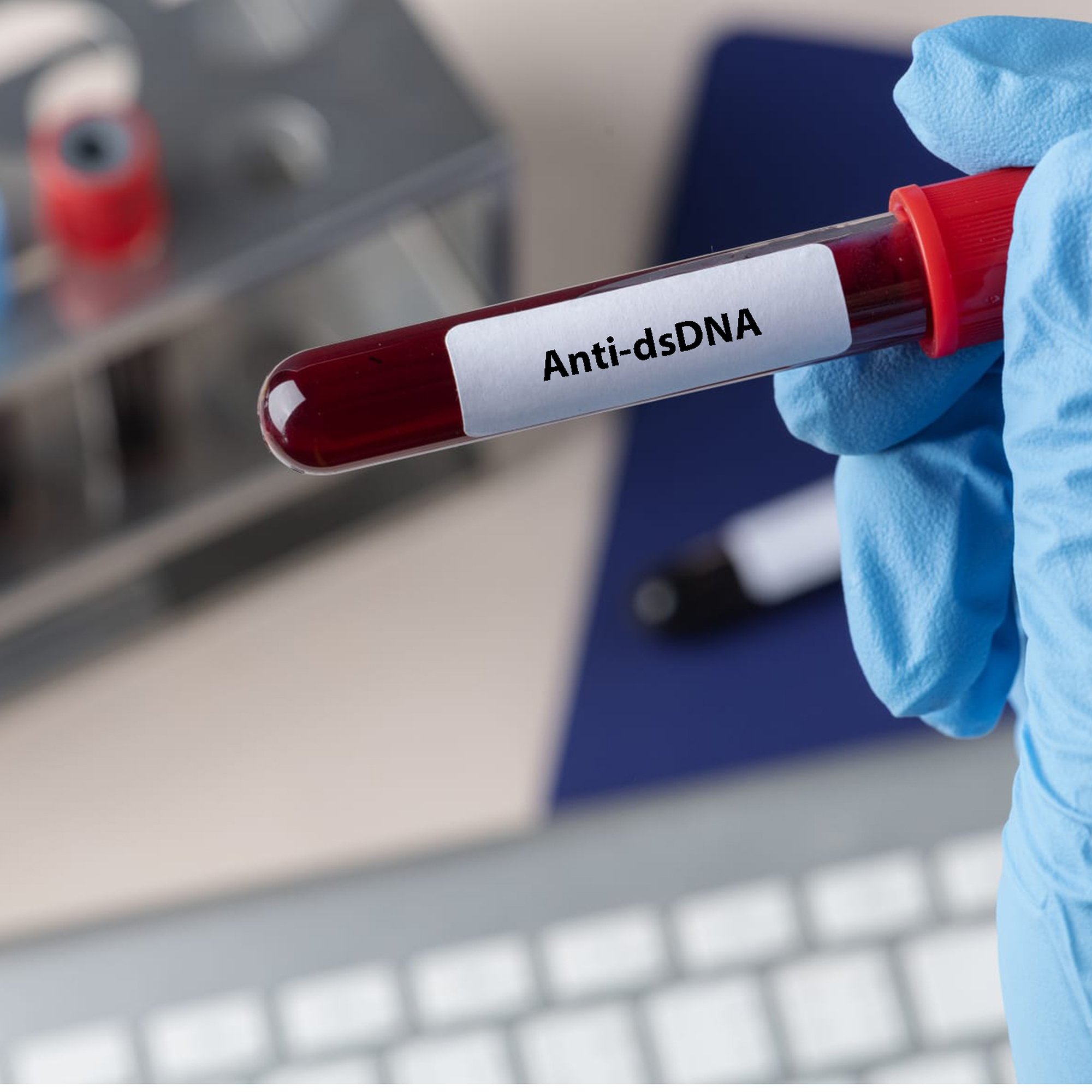
Anti-dsDNA
Anti-dsDNA antibodies are frequently associated with systemic lupus erythematosus (SLE), an autoimmune disease. SLE is an autoimmune disease that occurs when the body's immune system becomes aggressive against its own tissues. Anti-dsDNA antibodies are used in the diagnosis of SLE and are also a measurement to track the activity or severity of the disease. Apart from SLE, anti-dsDNA antibodies can also be found in some other autoimmune diseases.
These antibodies specifically target double-stranded DNA. Anti-dsDNA testing is done on blood or sometimes urine samples. High levels of anti-dsDNA antibodies may help diagnose the disease in people showing symptoms of autoimmune disease.
High levels of anti-dsDNA antibodies may be a symptom of SLE, but the mere presence of these antibodies is not sufficient to make a diagnosis. This test is usually evaluated together with clinical symptoms and interpreted by a specialist. It is a laboratory test used in the diagnosis and follow-up of autoimmune diseases such as SLE.
What is Anti-dsDNA Test?
Anti-dsDNA testing is a laboratory test to determine the antibodies the body produces against double-stranded DNA. These antibodies are autoantibodies formed against the body's own DNA. Anti-dsDNA test is used in the diagnosis and monitoring of the activity of autoimmune diseases, especially systemic lupus erythematosus (SLE). High levels of anti-dsDNA antibodies may be a sign of SLE, but are not enough to make a diagnosis on their own. The test is usually evaluated together with clinical symptoms and interpreted by experts.
In Which Situations Is Anti-dsDNA Test Requested?
Anti-dsDNA testing is especially ordered when an autoimmune disease such as systemic lupus erythematosus (SLE) is suspected or to monitor treatment response and disease activity in SLE patients. It may also help distinguish SLE from other autoimmune diseases. However, anti-dsDNA testing is not just a marker of disease; The results of this test are evaluated together with clinical symptoms and interpreted by doctors. Your doctor may order this test depending on your symptoms, clinical findings, and medical history.
What is the Importance of Lupus Disease in Anti-dsDNA Testing?
Anti-dsDNA test is an important test used in the diagnosis and follow-up of lupus disease. This test is used to determine the presence of an autoimmune disease called systemic lupus erythematosus (SLE) and to monitor the course of the disease.
SLE is a disease in which the body becomes aggressive against its own tissues. Anti-dsDNA antibodies are autoantibodies that the body creates against its own DNA. Many SLE patients may have high levels of anti-dsDNA antibodies in their blood, especially during disease flares.
Anti-dsDNA testing has an important role in determining the activity of lupus. High levels of anti-dsDNA antibodies may increase the risk of exacerbation of SLE disease. This test is used to monitor the course of the disease, evaluate disease flares, and monitor response to treatment.
However, anti-dsDNA testing alone is not an indicator of a diagnosis of lupus. Diagnosis usually requires consideration of a number of factors, including clinical symptoms, other laboratory test results, and the patient's medical history. Although anti-dsDNA testing is an important component for monitoring the activity of lupus and assessing response to treatment, diagnosis of the disease is not based on this test result alone.