

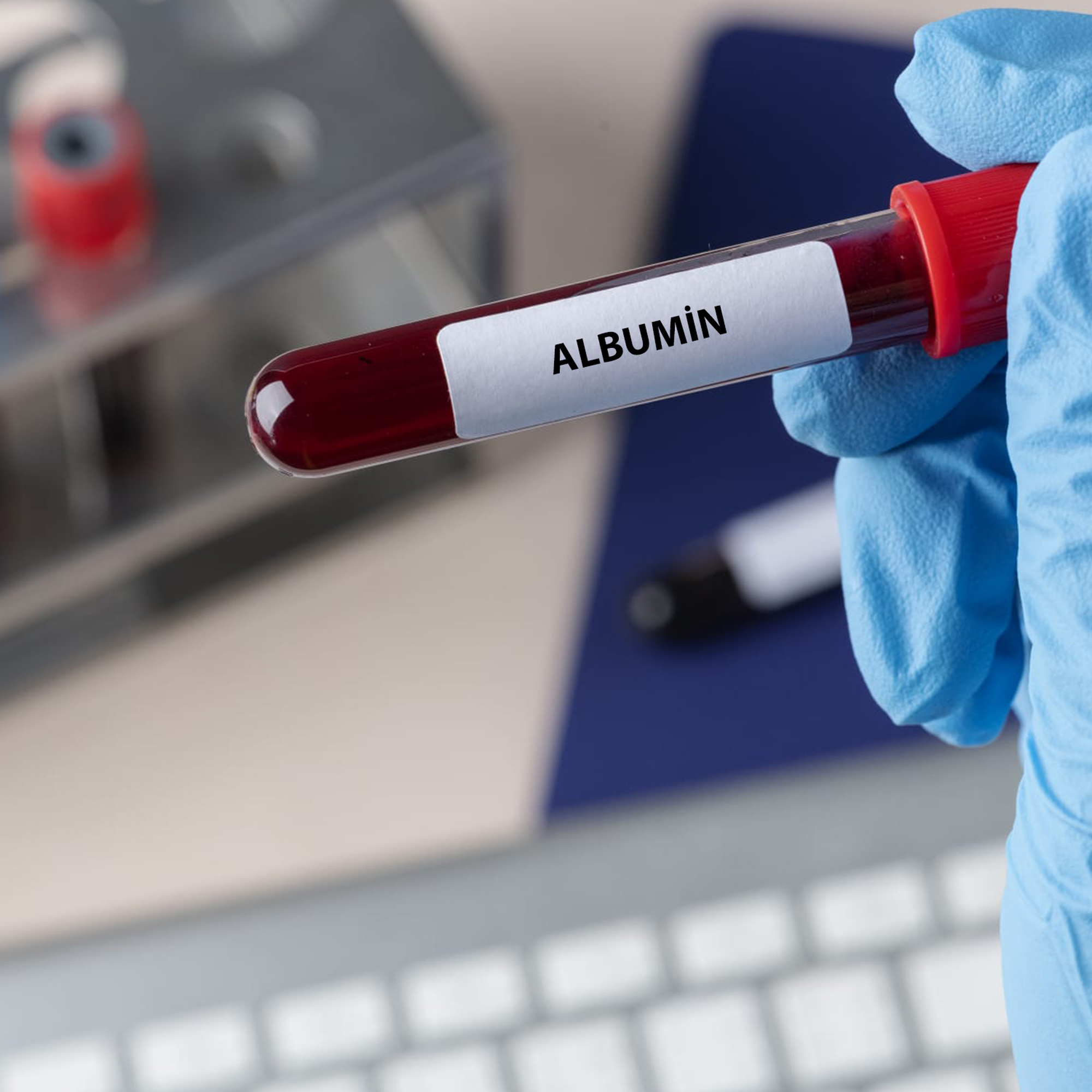
What is Albumin Test?
A serum albumin test is a blood test that measures the amount of albumin in the blood, which is a protein in blood plasma produced by the liver and enters the bloodstream to help transport vitamins, enzymes and other important substances. Just as albumin can be measured with a blood test, it can also be measured with a urine test. When the kidneys do not work adequately, albumin in the blood passes into the urine. Albumin in the body;
-vitamins
-enzymes
-your hormones
and helps other substances circulate in the blood.
What is Albumin High? Why Does It Happen?
High albumin level means that it is above the normal value in the blood test and that there is intense dehydration due to reasons such as burns and severe diarrhea. Elevated albumin, which is rarely seen, may also occur when using diuretic drugs or when albumin is taken through the blood. Diabetes in particular affects albumin levels, causing them to rise or fall. Excessive fluid excretion in the body, which cannot be controlled due to diabetes, affects this rate. It is important to pay attention to fluid consumption every day to reduce the high albumin level, which is also seen as the cause of dehydration. In addition, it would be the right choice to avoid protein-focused nutrition and focus on healthy foods. Symptoms of elevated albumin are listed as follows:
Constant desire to sleep
dry mouth
Pain in the abdominal area
dizziness
Fatigue and weakness
frequent urination
Pain in bones and joints
What is Low Albumin?
Low albumin revealed by blood and urine tests can be defined as the inability to produce enough albumin protein, which is responsible for keeping fluid in the body's blood vessels, and the test result being below its value. If this value is low, it may mean that there may be health problems in the liver and kidneys. In people with low albumin, protein molecules in the blood plasma cannot pass through the vessels, causing edema. Therefore, when albumin is low, edema and swelling occur in the hands, feet, face, legs and eyelids. Low albumin occurs due to the following reasons:
Insufficient amount of albumin is synthesized in the liver
Excessive albumin loss
Cirrhosis
Hepatitis
liver diseases
alcohol use
Diabetes
Stomach ulcer
Chronic and rheumatic diseases
Hypothyroidism
Being bedridden for a long time
eating disorders
hypoadrenalism
growth hormone disorders